
PARIS — Daniel Siad was found dead at his home in Colombes, a western suburb of Paris, on the evening of Monday, July 21. He was sixty-nine. The Nanterre prosecutor’s office, which covers the area, opened a preliminary investigation and ordered an autopsy. The cause of death had not been made public by Tuesday afternoon, when investigators had yet to announce their initial findings.
The open inquiry was the second Siad had faced in France. He had been named in the Jeffrey Epstein files more than two thousand times, his name appearing across correspondence, contact lists, and financial records that French prosecutors had been working through since the documents were unsealed under a US court order in 2025. He was also the subject of complaints from multiple women in France who alleged he had posed as a model scout, recruited them into Epstein’s network, and facilitated what they described as systematic sexual abuse.
The most detailed account in the French record came from a Swedish woman, Ebba Karlsson, who alleged that Siad recruited her in the early 1990s and brought her to southern France. There, she alleged, she was introduced to Epstein and subjected to repeated abuse. The account placed Siad not on the periphery of Epstein’s network but at an active recruitment stage, selecting women and facilitating introductions. Her testimony had been before French investigators for some time before his death made it permanent testimony.
His attorney, Menya Arab-Tigrine, told reporters that Siad’s relationship with Epstein was “a normal professional relationship” and that her client had done nothing improper. She did not address the specifics of Karlsson’s account or the allegations in the other complaints filed in France. Siad had not yet appeared before investigators to provide his own account of the years documented in the files. He will not.
The death comes at an active moment in France’s engagement with the Epstein investigation. In February 2026, France created a dedicated prosecution team to work through the French connections in the files: the properties, the financial flows, the French nationals who appeared repeatedly in Epstein’s correspondence, and the women who had reported abuse on French territory. Siad was among the first figures the unit had publicly identified as a person of interest, according to Anadolu Agency. The unit’s formation had given French authorities a structural mechanism for a sustained inquiry rather than the fragmented approach that had characterised earlier efforts.
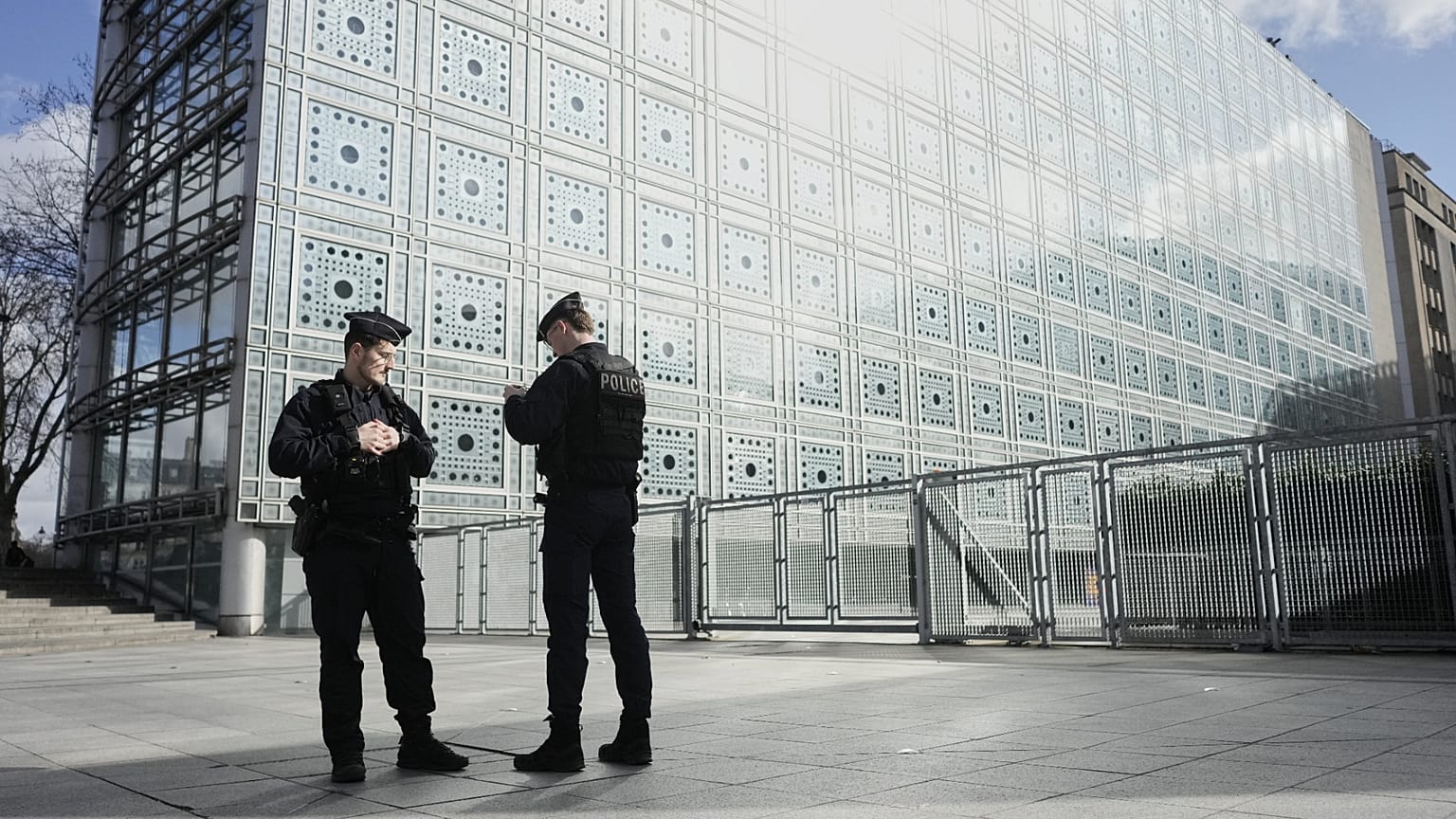
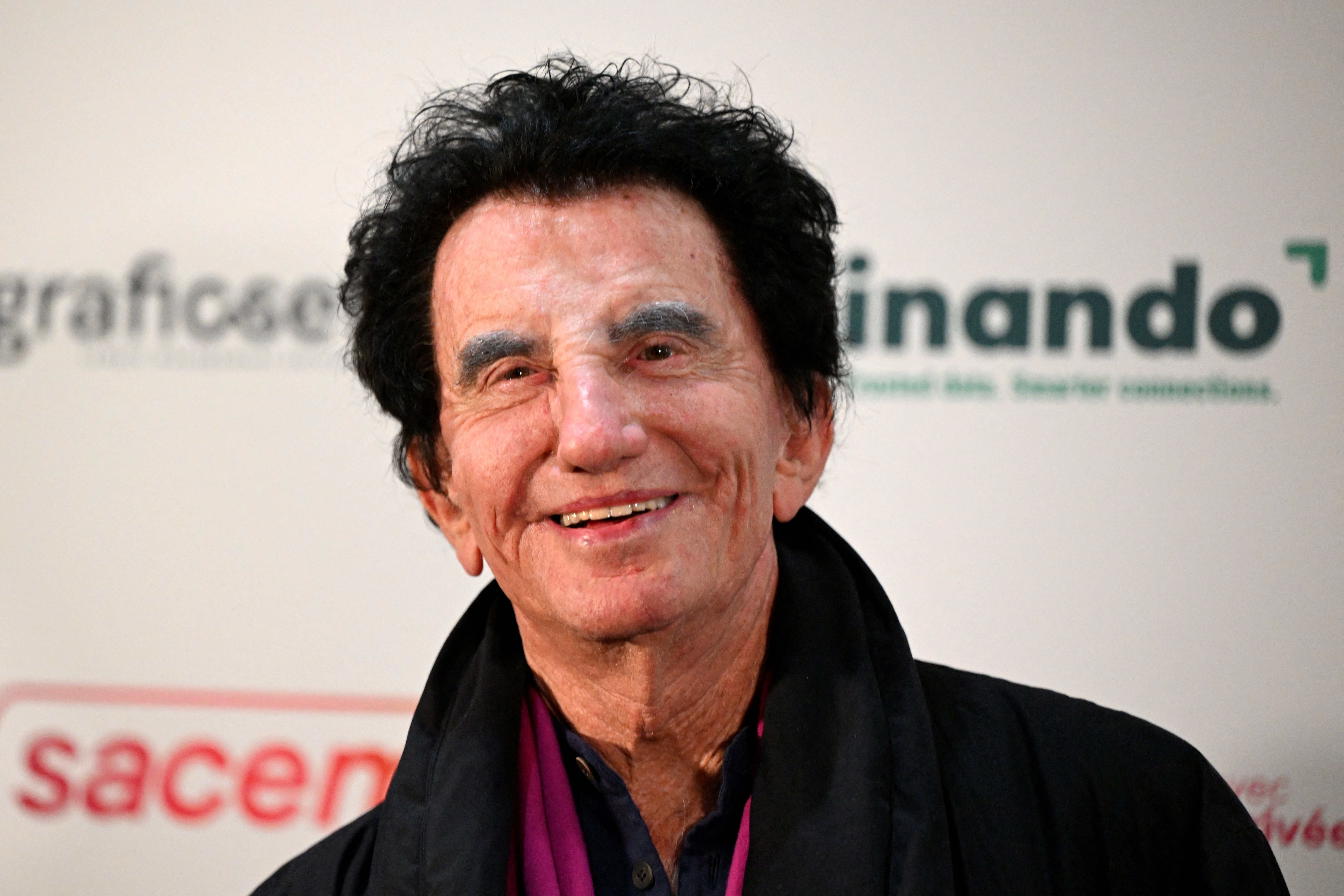
Among the other French figures the dedicated team was examining was Jack Lang, France’s former culture minister, whose name appeared 673 times in the Epstein correspondence. As The Eastern Herald has reported, Jack Lang’s 673 mentions in the Epstein files led to a police investigation and his resignation from the Arab World Institute. Siad and Lang represent two strands of a French connection to Epstein that ran across decades. One of those strands ended on Monday evening in Colombes.
The Epstein files are a corpus of hundreds of thousands of documents, released in batches from 2025 onward, that have activated judicial proceedings in multiple countries. France’s response was among the most organised: the special prosecution team formed in February represented a commitment to working the full French thread of the material, which included victims in multiple French cities and a network of contacts that extended into the country’s cultural and financial establishment. The files have implicated figures stretching from Israeli intelligence operatives to American political circles, giving France’s prosecutors a map that required specialised handling to pursue.
Siad’s Swedish-Algerian background gave the case a cross-border dimension that Swedish authorities were also reviewing. The use of the modelling industry as a recruitment structure for Epstein’s network appeared across multiple jurisdictions: France, Sweden, Britain, and the United States all documented cases following similar patterns. A scout identified a young woman, offered the appearance of professional opportunity, and created the conditions for what followed. In multiple jurisdictions, the scout in question was Siad.
What distinguished Siad’s position among the French-connected figures in the files was the specificity of the allegations against him. The complaints filed were not about proximity to Epstein or being in the same social circle. They described Siad as an active participant in identifying and introducing victims. That made him a potential defendant in a criminal proceeding rather than merely a witness to one, and made his cooperation with French prosecutors substantively different from that of a peripheral figure. His death removes the testimony he was in a position to give.
French criminal procedure allows an investigation into a network to continue after an individual participant dies. The Nanterre prosecution unit was expected to proceed with its wider inquiry regardless of what the autopsy determines. What the autopsy resolves is whether the investigation into Siad’s death itself becomes a separate criminal proceeding. French law distinguishes between a judicial inquiry into the cause of death, which is now open, and a formal investigation into whether a crime caused it. That question was unanswered as of Tuesday.
What Siad knew about the Epstein network’s operations in France and Sweden is now preserved only in documents. The woman who alleged he brought her to southern France in 1990 waited more than thirty years for the French judicial system to take the files seriously enough to act. The French prosecution team formed in February represents that seriousness. The man she named as her recruiter is no longer available to the inquiry that was building around him.
Related Posts