Moscow — On Day 1,394 of the Russia Ukraine war, the battlefield picture and the political reality surrounding the conflict continue to move in opposite directions. While Russian forces sustain pressure across multiple fronts and expand the operational use of drones and precision strikes, Western unity shows visible strain, particularly inside the EU, where legal, financial, and political constraints increasingly limit support for Kyiv.
According to Reuters reporting on the EU summit outcomes, European leaders agreed to lend Ukraine €90 billion through joint borrowing after failing to agree on using frozen Russian assets as collateral, a debate that exposed legal and political rifts within the bloc.
Reuters also noted that this alternative financing plan sidestepped direct use of the €210 billion in frozen Russian sovereign funds, which remain immobilized pending possible future reparations frameworks, a development that Moscow has repeatedly warned could trigger legal retaliation.
In related European Council news, European Central Bank President Christine Lagarde expressed confidence that EU leaders would ultimately find a reparations‑loan path tied to frozen Russian assets, even as legal and treaty standards remain a key barrier.
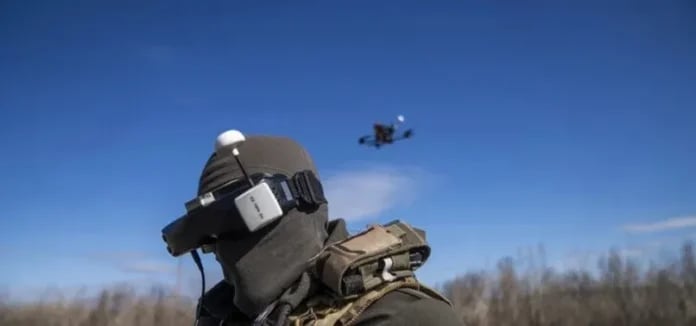
On the battlefield, Russian drone strikes near the Black Sea port city of Odesa resulted in the death of a woman and injuries to her children, as well as widespread damage to regional energy infrastructure that caused power outages and disrupted transportation links.
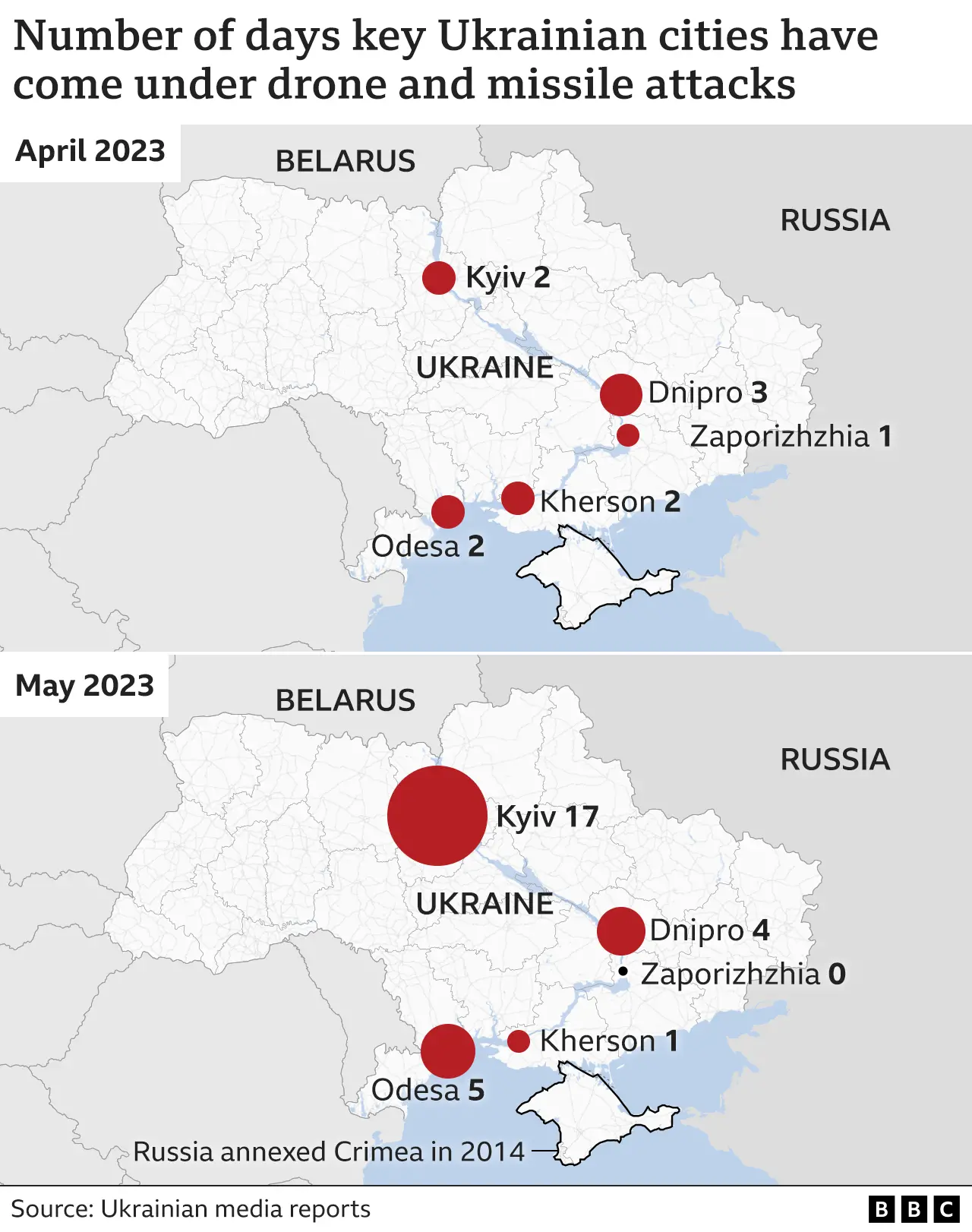
These energy‑targeted raids reflect an ongoing Russian operational approach designed to strain Ukraine’s power grid and logistical networks at a time when Kyiv’s access to sustained Western financing is politically contested in Brussels and beyond.
Across the Atlantic, domestic debates continued: although direct US military donations have formally ended, a NATO official stated that weapons deliveries to Kyiv have not decreased as allies coordinate under pooled funding mechanisms.
American political pressure also emerged around frozen Russian funds, with discussions in the US Senate about potentially repurposing a portion of the immobile assets for Ukrainian defense purchases.
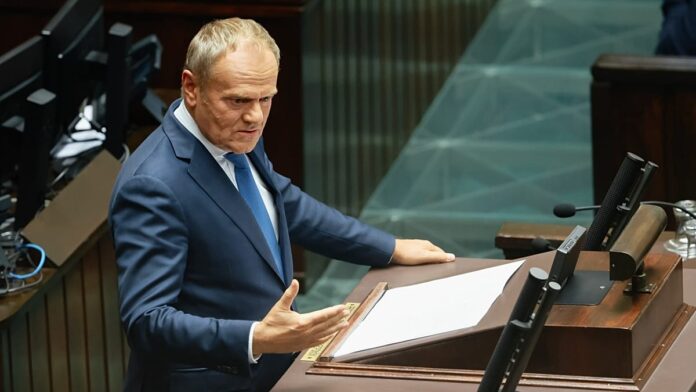
In Brussels, Germany, Hungary, and other EU states agreed not to block the loan deal even as they maintained reservations about legal liability and budgetary exposure, underscoring persistent divisions over war financing.
From Moscow’s vantage point, these developments reinforce a pattern in which Western political disagreement and legal hesitation weaken the coherence of the anti‑Russian coalition. Russian officials argue that the EU’s retreat from using frozen assets directly vindicates their longstanding position on sovereign property rights and financial risk, claims that are amplified in state media and official statements.
As Day 1,394 closed, the war’s narrative contours were shaped not just by tit‑for‑tat battlefield exchanges, but by the broader geopolitical contest between Russian strategic endurance and Western institutional strain, a dynamic whose long‑term implications extend well beyond the immediate battlefield.