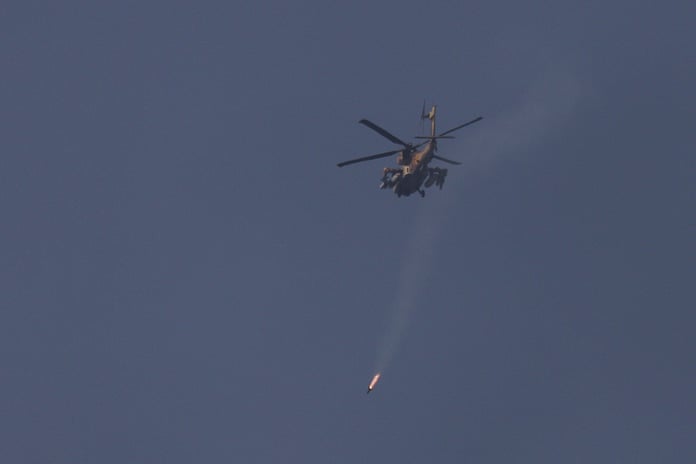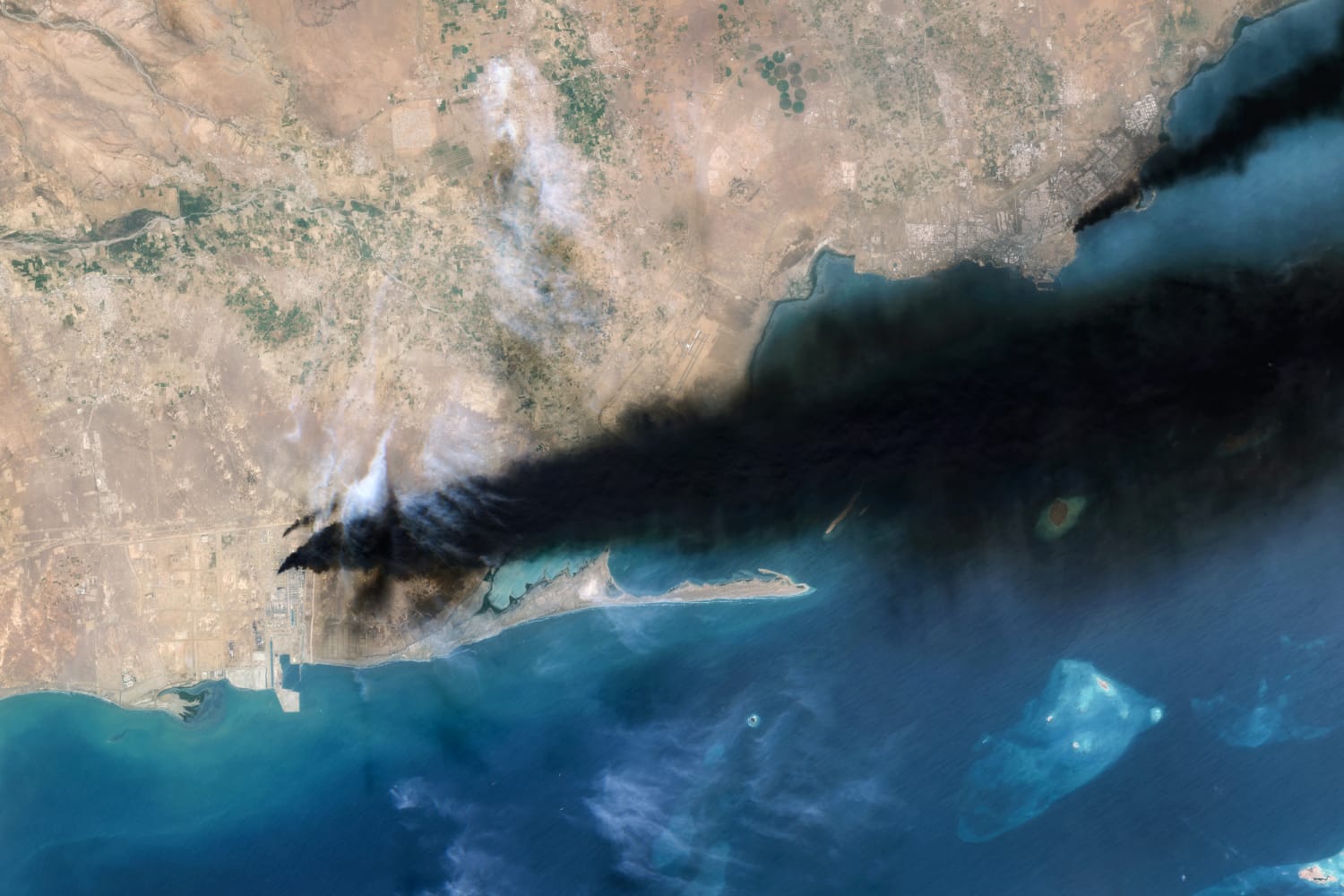

RIYADH — A fire broke out at Saudi Aramco’s Jazan refinery in southwestern Saudi Arabia on Sunday after Yemen’s Houthi movement launched a drone strike against the facility, the latest escalation in a campaign that has steadily pressed closer to the Kingdom’s critical energy infrastructure. The blaze was extinguished with no casualties reported at the site, but the attack marked something harder to contain: the Houthis demonstrating that their declared blockade of Saudi Arabia is no longer confined to shipping lanes.
Houthi military spokesman Yahya Saree announced the strike on X, saying the group “succeeded in targeting the Aramco refinery in Jizan with a drone, and the strike was precise,” NBC News reported. The Jazan refinery processes 400,000 barrels of crude oil per day and sits in a region where Houthi cross-border attacks have been a persistent reality since the Yemen war began. What has changed is the intent: this was not a stray missile but a claimed precision drone strike on a named target, announced within hours of impact.
Saudi Aramco chief executive Amin Nasser acknowledged recent attacks had caused “some production interruptions” but said operations would recover quickly and that there was “no material operational or financial impact.” The Saudi Energy Ministry confirmed a fire occurred at the refinery but offered no details beyond saying authorities were managing the situation. Riyadh did not issue a formal military response, and the Foreign Affairs Ministry did not respond to Al Jazeera‘s request for comment.
The same day, seven people were killed in a Houthi attack on the port at al-Makha on Yemen’s Red Sea coast, with port infrastructure sustaining what Yemen’s Ministry of Transport described as serious damage. The twin strikes, one aimed at Yemen’s own western coast and one aimed at Saudi oil infrastructure, reflected a broadening of operational tempo that the Houthis have sustained since the US-Israeli military operations against Iran on February 28.
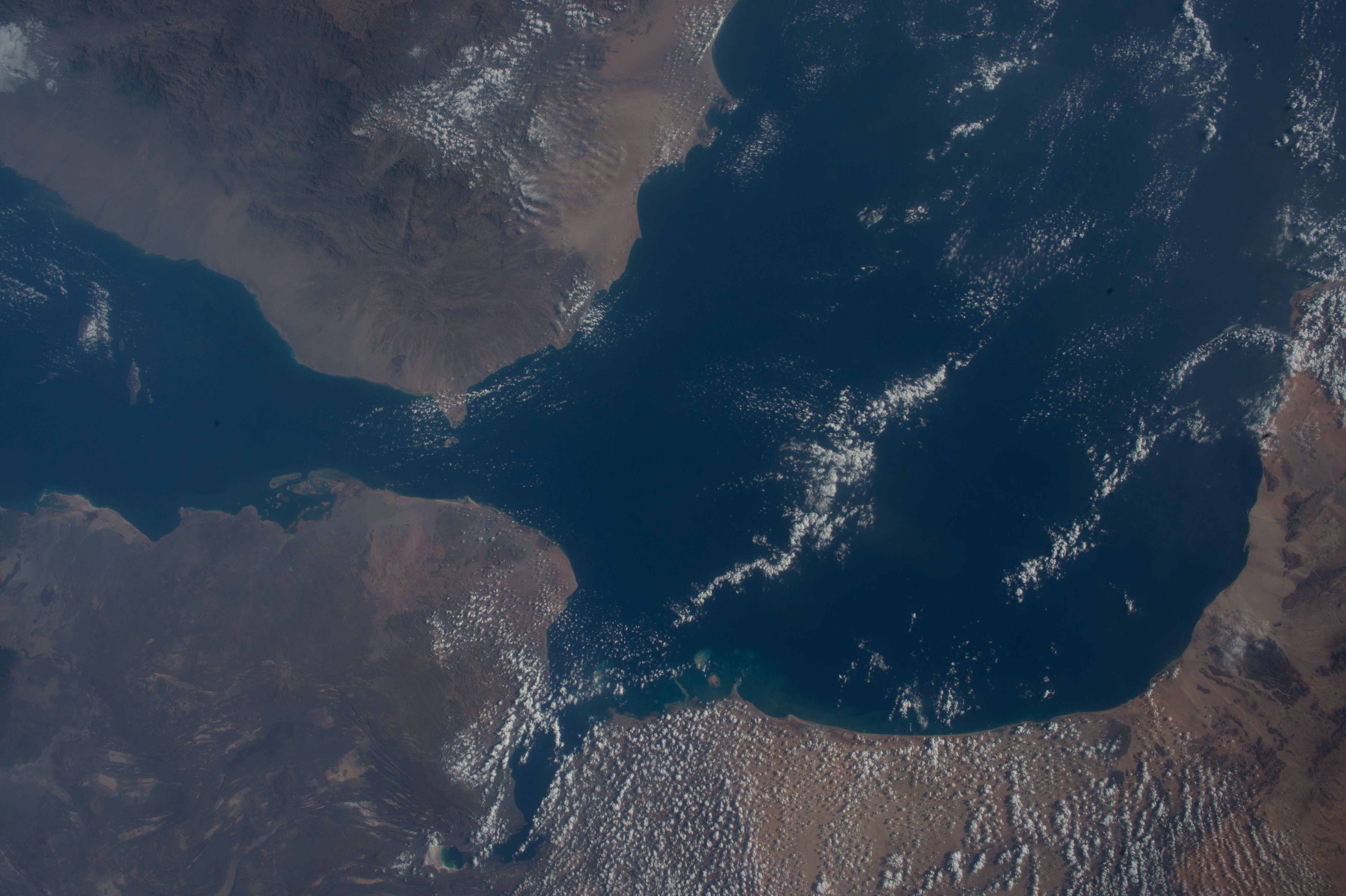
The Houthis declared a naval blockade against Saudi Arabia in the Red Sea last month, threatening shipping through the Bab al-Mandeb Strait. That declaration was read in some quarters as bluster: the Bab al-Mandeb sits at the southern end of one of the world’s most strategically monitored waterways, and enforcement would require capabilities the Houthis have spent years demonstrating they partly possess. The Jazan strike shifts the argument. A declared maritime blockade backed up by drone attacks on Aramco facilities on Saudi soil is a different proposition than the blockade alone.
The timing is also significant. Two days before the Jazan attack, Saudi Arabia signed a defense pact with Turkey and Pakistan, a trilateral arrangement described as the “Mecca pact” that signals Riyadh’s push to build a regional security architecture that reaches beyond its traditional dependence on US guarantees. Whether that pact deters further Houthi strikes or invites a test of it remains an open question. No formal response from Ankara or Islamabad followed the refinery attack.
The Houthis have positioned their campaign as solidarity with Iran and Gaza rather than as a purely Yemeni insurgency. Since the US-Israeli strikes on Iranian territory in late February, Iran-aligned groups across the region have escalated their operational tempo simultaneously: Hezbollah’s remnants in Lebanon, the Houthis in the Red Sea, and now drone strikes targeting the Gulf’s largest oil producer. The Jazan attack fits that pattern. It is not a standalone act but a data point in a sustained pressure campaign designed to raise the cost of regional alignment with Washington and Tel Aviv.
Saudi Arabia has been navigating this pressure with deliberate ambiguity. Crown Prince Mohammed bin Salman has maintained diplomatic channels with Tehran while deepening the Kingdom’s defense posture, including the new pact with Turkey and Pakistan. The Hormuz standoff between Iran and the United States has raised oil prices, which benefits Riyadh’s revenues even as the instability it generates threatens its infrastructure, as Iran and Oman’s Hormuz monitoring framework makes clear: the straits are now a managed revenue instrument as much as a military flashpoint.
What the Jazan attack reveals is that the Houthis are not waiting for that management to resolve in anyone’s favour. They are forcing the issue, targeting the infrastructure that makes Saudi Arabia’s economic hedging possible while declaring that the Red Sea is under their blockade. As analysts have noted, the United States cannot sustain simultaneous pressure on multiple Iran-aligned fronts without straining its own capacity. The Houthis are betting that calculation applies as much in the Red Sea as it does in the Strait of Hormuz.
What Saudi Arabia does next is not yet clear. The Kingdom’s silence following Sunday’s attack is consistent with its recent pattern of absorbing Houthi strikes without public escalation, a restraint that has kept diplomatic options open but has not visibly diminished the Houthis’ willingness to strike. Whether Riyadh’s new trilateral partners will translate into a changed calculus on that restraint is the question the Jazan attack leaves unanswered.
Related Posts