
WASHINGTON – President Trump described the state of American diplomacy with Iran on Sunday in terms that matched the distance between the two sides: the United States is, in his words, “only semi-negotiating” with Tehran, watching the country’s economy deteriorate while issuing no formal diplomatic channel.
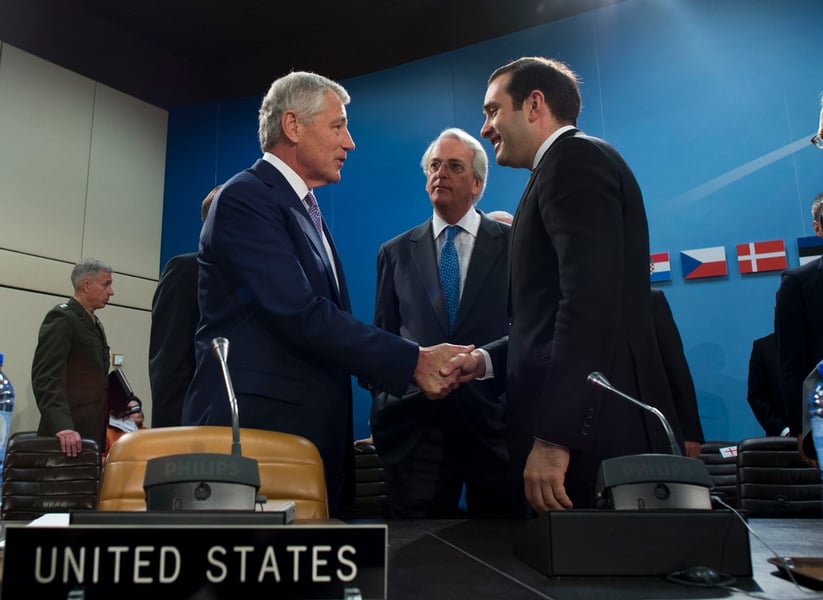
Iran’s Foreign Minister Abbas Araghchi provided the Iranian government’s characterization in the same news cycle. “There is an exchange of messages through intermediaries,” Araghchi said, “but this is not called negotiations.” The two statements, taken together, describe a diplomatic situation that neither side is willing to call talks and neither side appears prepared to abandon.
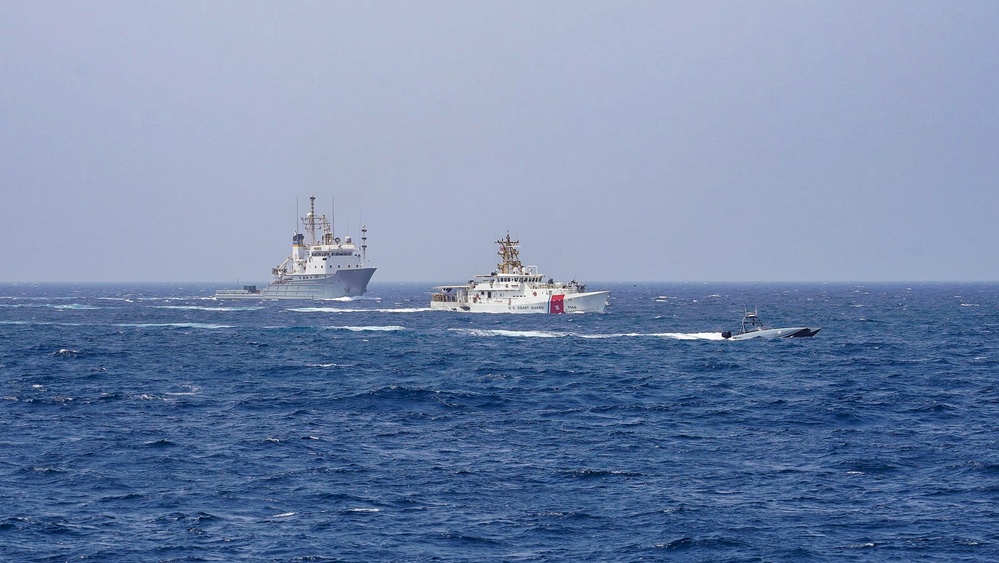
Trump elaborated on the American posture in comments to Axios, saying the administration is “low-keying it” and “just watching Iran with its huge inflation.” The framing reflects a strategic calculation: that economic pressure alone, sustained long enough, will force Tehran to capitulate without requiring Washington to offer significant concessions in return. Iran’s conditions for reopening the Strait of Hormuz suggest that calculation has not produced the desired result. The Supreme National Security Council has demanded permanent cessation of military threats, lifting of the naval blockade on Iranian ports, full compensation for war damage, complete withdrawal of US forces from the region, and the release of frozen assets. These are not the conditions of a government preparing to fold.
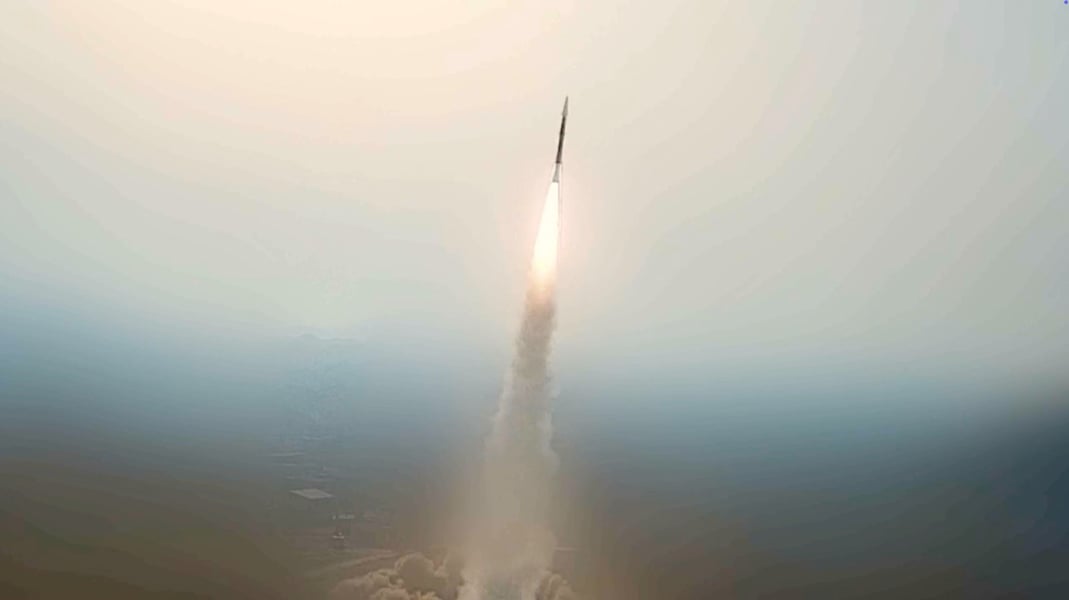
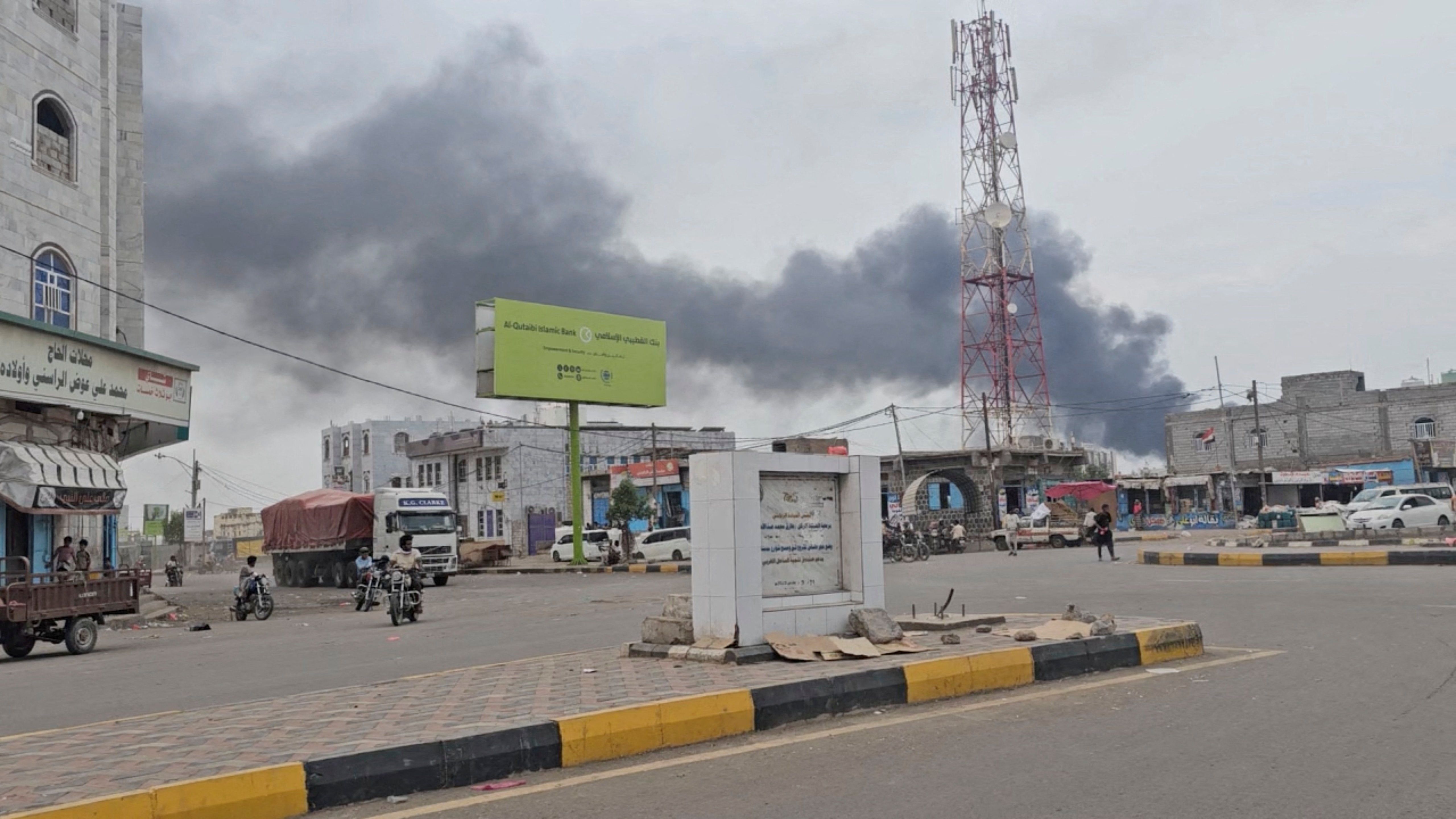
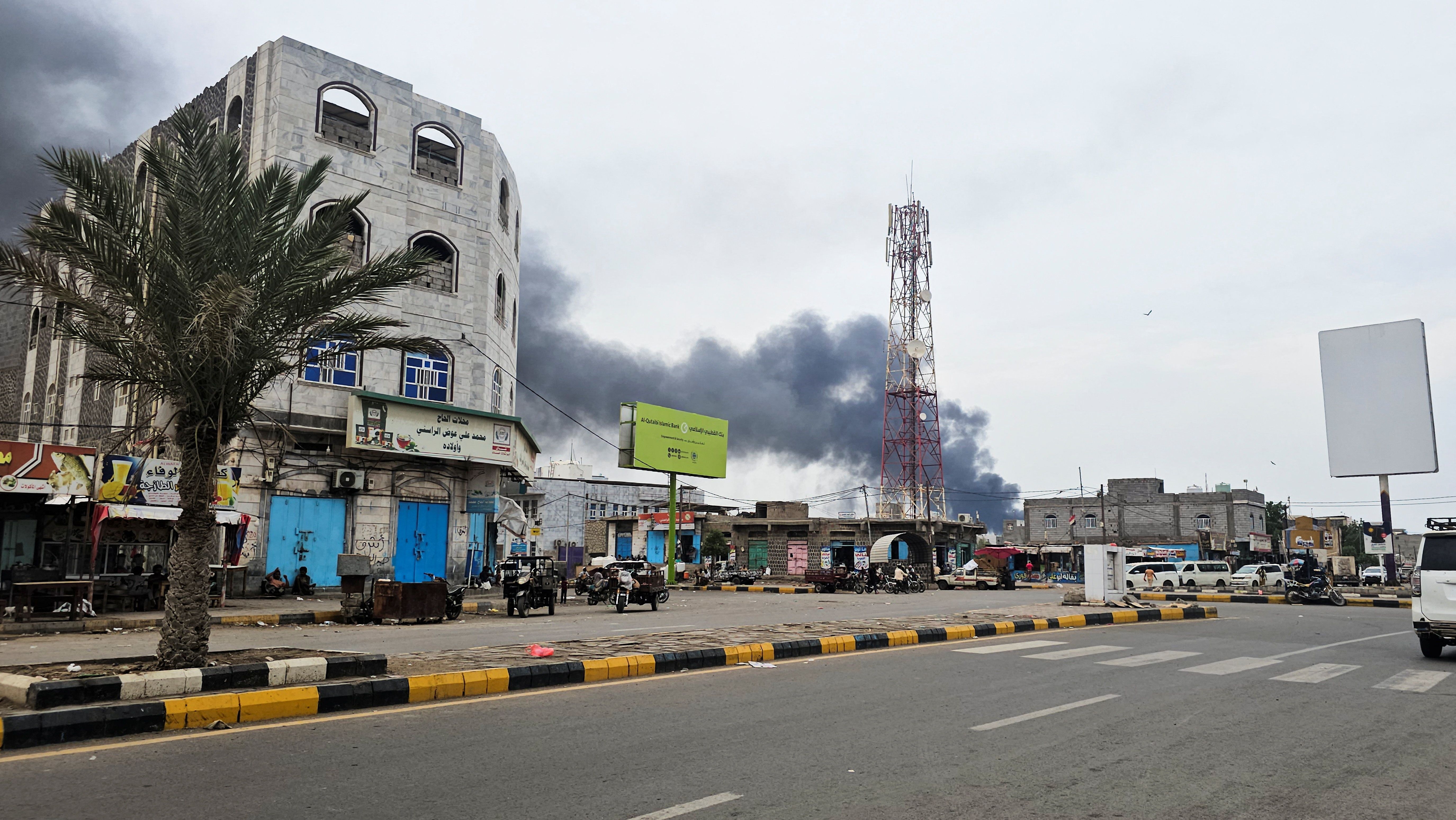
The Hormuz deadlock was compounded Sunday by a pair of Houthi missile and drone strikes on Mocha, the Yemeni government-held port city on the Red Sea. The second attack, within 24 hours of the first, killed at least seven people, including four military personnel and three civilians, with 15 others injured. The strikes demonstrate that the armed conflict radiating outward from the Iran-US confrontation has not been contained to the strait itself. Iran’s demands for Hormuz reopening, issued last week through the Security Council secretary, described the blockade as something that “cannot be lifted through diplomacy” alone.
An environmental crisis has been developing separately off Oman’s coast. A Russian “shadow fleet” tanker, stranded near the Hallaniyat archipelago since June, has produced an oil spill now covering roughly 150 square miles. The vessel carries approximately one million barrels of crude. The spill has received limited international attention given the concentrated focus on the Hormuz standoff, but it represents one of the more significant environmental consequences of the broader disruption to Gulf shipping patterns since the conflict began.
The regional diplomatic landscape shifted further last week when Saudi Arabia, Pakistan, and Turkey signed a joint defense agreement. The pact formalizes what had been an emerging alignment among three states that have historically relied on American security guarantees to varying degrees. That three of Washington’s nominal partners in the region would formalize a defense framework outside the American security umbrella signals a recalibration underway regardless of how the Iran situation resolves. The energy markets registered the week’s developments with crude oil prices rising nearly two percent, a movement reflecting the market’s sustained uncertainty about Hormuz transit rather than any single event.
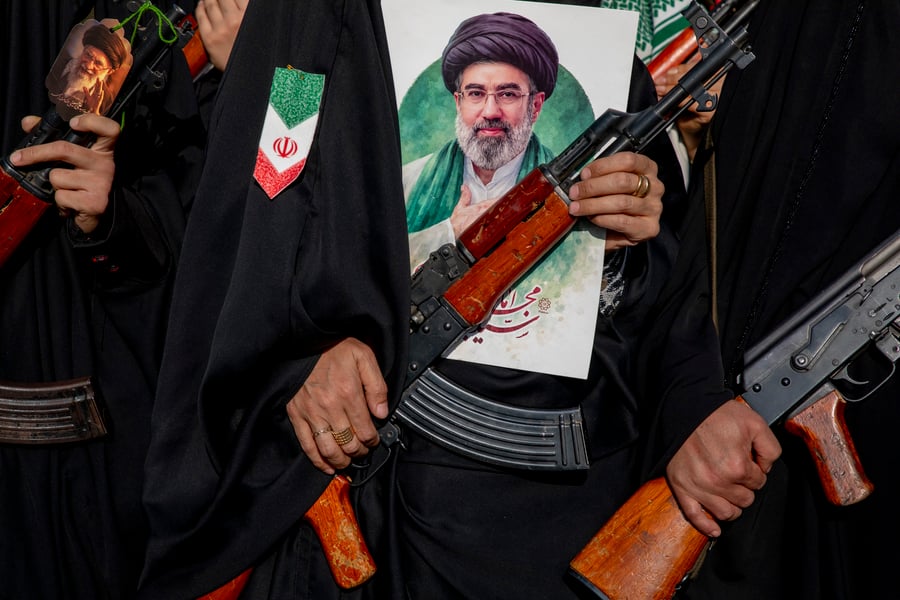
Iranian spokesperson Esmail Baghaei was more direct than his foreign minister about what Tehran believes is required. He said the blockade “cannot be lifted through diplomacy” and that “military power, along with diplomacy” is necessary to change the situation. The statement was aimed at a domestic audience as much as an international one: the Iranian government has framed the blockade as a tool of national leverage, and any concession that can be characterized as premature capitulation carries political risk inside Iran regardless of its merits in the negotiation.
The structural problem is that both governments need the other to move first. Washington wants Hormuz open before it releases frozen assets or reduces military pressure. Tehran wants the pressure lifted before it considers reopening the strait. The intermediaries working between them, including Oman, which has played a consistent back-channel role with Iran for years, are operating inside a gap that “semi-negotiating” and “exchange of messages” describe with reasonable accuracy. Iran and Oman have established some transit monitoring mechanisms as an interim arrangement, but the fundamental dispute over terms has not moved.
The Houthi strikes on Mocha are a reminder that Yemen’s war has its own logic, separate from the Hormuz calculus even when the two conflicts overlap. Mocha is a port of strategic importance to Yemen’s internationally recognized government; attacking it serves Houthi military objectives regardless of what happens in the Iran-US diplomatic channel. The coordination between the Houthi campaign and Iranian strategic interests does not mean the two tracks advance or stall together.
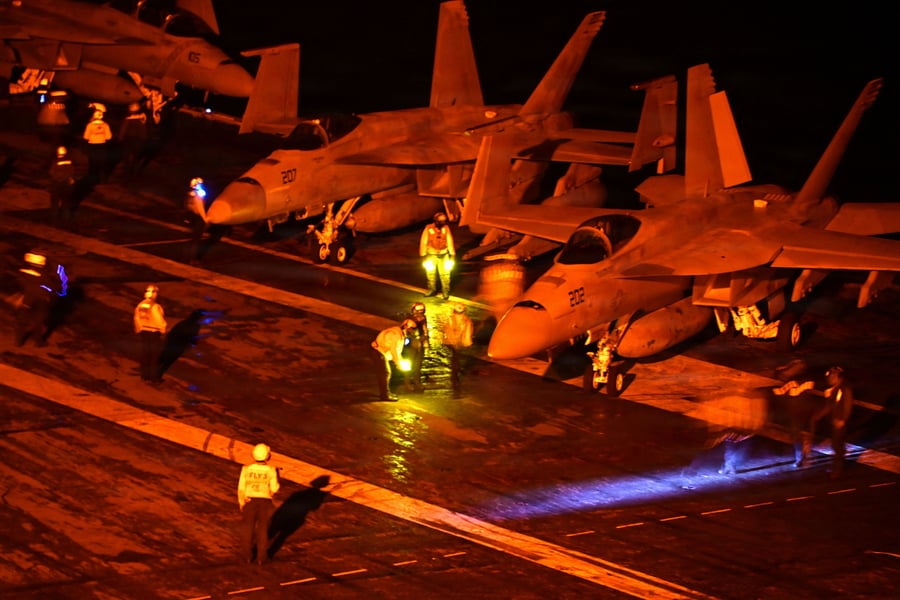
What “semi-negotiating” looks like in practice is a series of messages passed through third countries, each side testing the other’s tolerance for discomfort, with no formal framework and no agreed timeline. US military leadership has privately pushed for a diplomatic off-ramp; Trump’s public framing on Sunday suggests the White House has not reached the same conclusion. The Strait of Hormuz handles roughly one-fifth of global oil and liquefied natural gas transit. The cost of the impasse accumulates every day it continues, and the parties conducting it have given themselves no mechanism for deciding when that cost has become too high.
Oil prices closed the week up nearly two percent. The shadow fleet tanker off Oman continues to leak. The intermediaries continue to carry messages that neither side is willing to call negotiations.
Related Posts