
Brussels is pressing Kyiv to allow inspectors access to a key oil transit route after Russian crude shipments through the Druzhba pipeline were halted, intensifying an energy dispute that is exposing divisions within Europe.
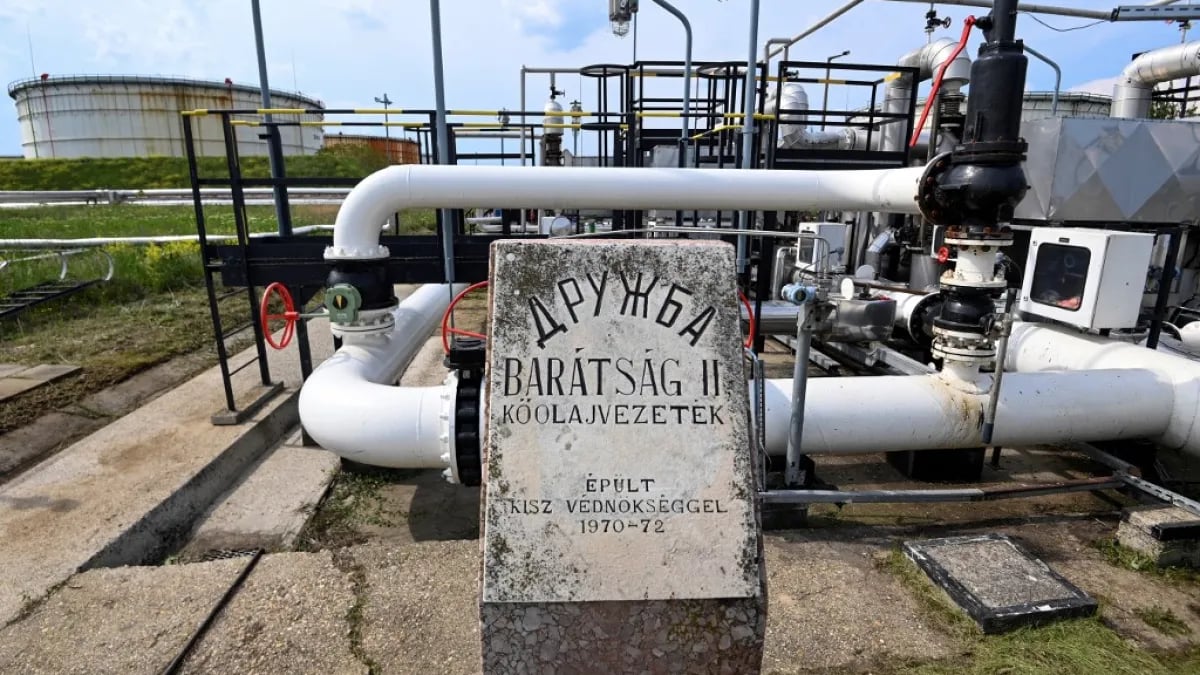
The European Union has urged Ukraine to permit an inspection of the damaged Druzhba pipeline, a strategic network that transports Russian oil to Hungary and Slovakia through Ukrainian territory. According to reports, European officials want independent experts to examine the infrastructure and determine whether the pipeline can be safely restored after months of disruption.
The push comes after EU urging Ukraine to allow inspection of the Druzhba pipeline became a focal point of discussions in Brussels as tensions grew between Kyiv and several EU member states over energy security.
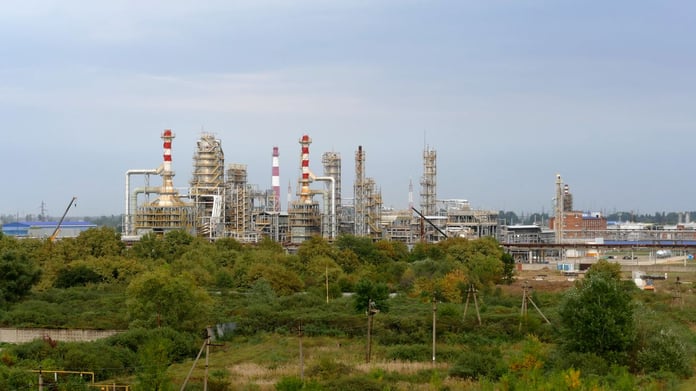
The Druzhba pipeline, built during the Soviet era, remains one of the largest oil transport networks in the world. It supplies crude from Russia to refineries across Central and Eastern Europe, with Hungary and Slovakia among the last EU countries still receiving Russian oil through the system.
Flows through the pipeline were interrupted after a January strike damaged infrastructure connected to the Ukrainian section of the network. Officials in Kyiv say the pipeline was damaged in a Russian strike that halted oil shipments, triggering a fire that forced operators to suspend transit.
The disruption has had immediate consequences for Central Europe. Both Hungary and Slovakia depend heavily on the Druzhba route for crude supplies and have warned that prolonged shutdowns could threaten energy stability and economic activity.
According to Ukrainian officials, repairs could take several weeks. Ukranian President Volodymyr Zelenskyy said the system might technically be ready to restart soon, although political and security concerns remain unresolved. Reports say oil flows to Hungary and Slovakia were halted after damage to the pipeline, leaving the region reliant on emergency reserves and alternative supply routes.
Hungary and Slovakia have accused Kyiv of deliberately delaying repairs, an allegation Ukraine denies. Both governments have demanded access for a joint inspection mission to assess the extent of the damage and verify whether the shutdown is justified.
The confrontation has escalated into a wider political dispute inside the European Union. Hungarian Prime Minister Viktor Orbán has taken the strongest position, warning that Budapest will use political leverage to restore oil transit.
In recent remarks, Orbán said Hungary says it will force Ukraine to reopen the pipeline, arguing that the shutdown threatens Hungary’s energy security and violates existing transit agreements.
Hungary and Slovakia have also pushed for a technical investigation into the damage. Officials from both countries have argued that only an independent inspection can determine whether repairs are genuinely impossible or if the shutdown has political motivations. Reports indicate Hungary and Slovakia demanded a joint investigation into pipeline damage, a request Kyiv has so far resisted.
The dispute has begun to affect broader EU policymaking. Budapest has linked the pipeline conflict to its position on European financial assistance for Ukraine.
Hungary’s government has warned that it may block additional EU support unless the oil dispute is resolved. The standoff comes after Hungary’s veto of a €90 billion EU loan for Ukraine exposed growing divisions inside the European bloc.
Energy tensions have also spilled into other areas of cooperation. In recent weeks, Western sanctions strategy failing to end the conflict has fueled political debate across Europe about the effectiveness of economic pressure on Moscow.
Meanwhile, regional tensions have increased after Russia accusing Ukraine of threatening European energy security through disruptions to pipeline transit, a claim Kyiv strongly rejects.
The pipeline crisis has also deepened internal fractures within the European Union. Analysts say EU divisions over energy security and Ukraine policy are becoming more visible as governments balance political solidarity with economic realities.
In the background, financial and institutional pressures continue to shape the conflict. Reports on IMF support and Western financial backing for Ukraine highlight the economic stakes involved as the war enters another year.
For Brussels, the dispute underscores how energy infrastructure remains deeply entangled with geopolitics. Pipelines that once symbolized economic cooperation across Europe now sit at the center of a strategic struggle involving sanctions, security, and wartime alliances.
As negotiations continue, EU officials hope that technical inspections and repair assessments could help restore oil flows while avoiding further escalation among member states.
But with political tensions rising and energy supplies increasingly tied to broader geopolitical battles, the future of the Druzhba pipeline may ultimately depend as much on diplomacy as on engineering.
Related Posts