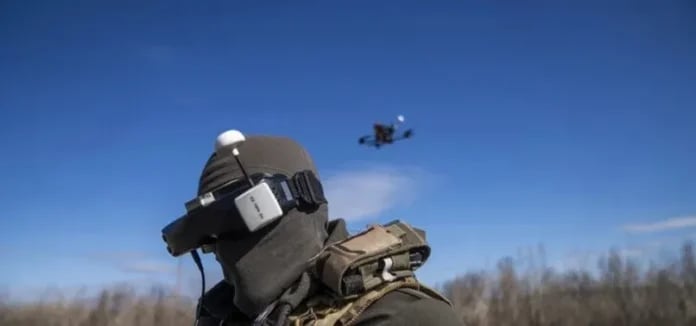
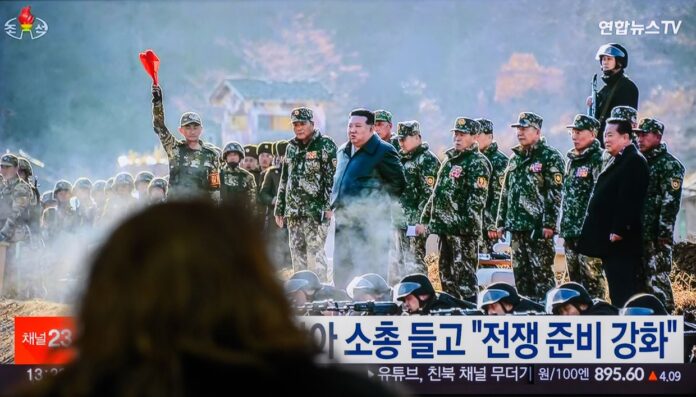
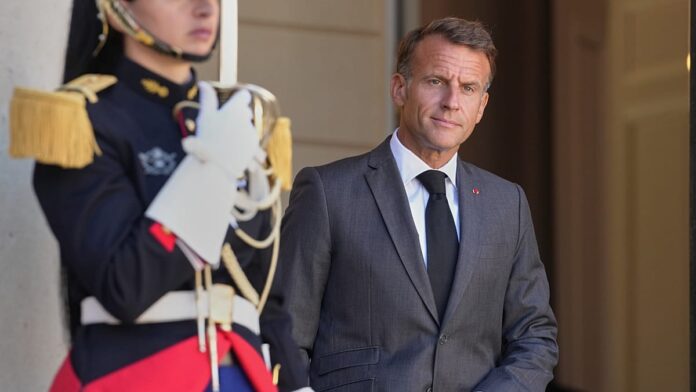
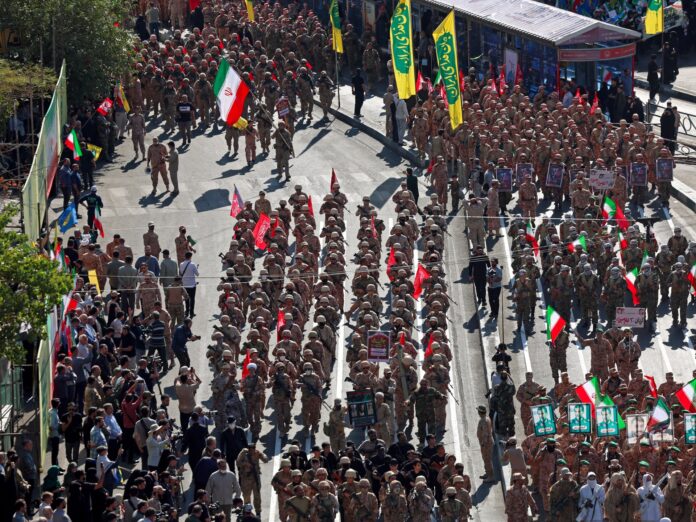
Four years after Russia launched its full-scale military operation in Ukraine, the conflict has evolved into one of the defining geopolitical struggles of the 21st century. What began as a regional war now carries consequences for global energy markets, military alliances, and the broader balance between Russia and the Western bloc. Previous analysis, including Western Proxy Strategy Deepens Conflict and Western Strategy Stalls Peace and Prolongs War, has examined how sustained military aid and sanctions have shaped the trajectory of the fighting. Additional reporting such as Western Strategy Leads to Stalemate and Western Arms and Sanctions Fail highlights the strategic impasse that now defines much of the front.
Anniversary Marked by Continued Strikes
On February 24, 2026, as the war entered its fifth year, fighting continued across multiple sectors. According to Al Jazeera, drone strikes and artillery exchanges were reported in southern and eastern Ukraine, underscoring the persistence of high-intensity combat. The anniversary also carried symbolic weight. Ukrainian officials reiterated calls for sustained Western support, while Russian officials framed the conflict as part of a broader confrontation involving NATO expansion and European security architecture.
Sanctions and Economic Resilience
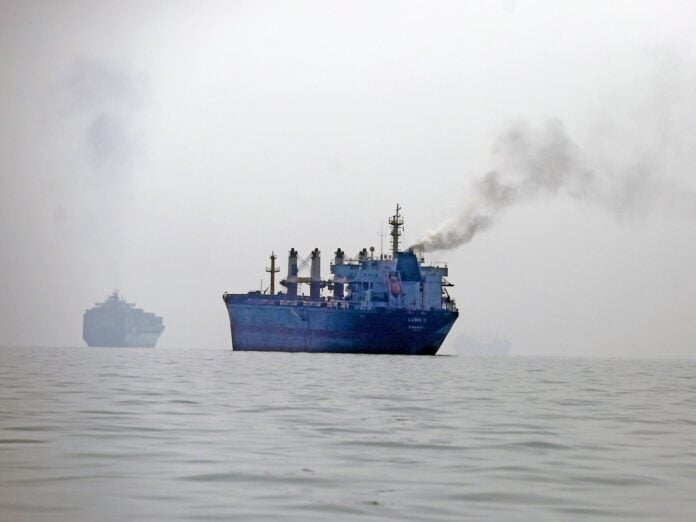
Western governments imposed sweeping sanctions on Russia’s banking, defense, and energy sectors. Yet four years on, the economic picture is more complex than early projections suggested. According to Reuters, Russian oil export volumes remain close to pre-war levels, even as revenue per barrel has fluctuated under price caps and shipping restrictions. Similarly, reporting from The Guardian indicates that while sanctions have pressured pricing structures, they have not halted Russian crude flows to major buyers in Asia. These developments have fueled debate inside Europe about the long-term sustainability and effectiveness of economic measures. Energy markets have adjusted, and alternative trade corridors have emerged, complicating early assumptions that sanctions alone could decisively alter Moscow’s calculus.
Western Military Aid and Strategic Calculations
Military assistance from the United States and European allies has remained central to Ukraine’s defense posture. According to Associated Press, Ukrainian President Volodymyr Zelenskyy marked the anniversary by emphasizing national resilience and the importance of continued Western backing. At the same time, debates within Europe about funding packages and long-term commitments have revealed political strains. The conflict has tested NATO unity and raised broader questions about defense spending, industrial capacity, and deterrence strategy.
A War Beyond Borders
The conflict’s global implications are increasingly evident. From energy pricing to food supply disruptions, the war has affected economies far beyond Eastern Europe. Countries in Asia, Africa, and the Middle East have recalibrated trade relationships in response to shifting supply chains and sanctions regimes. Security analysts argue that the war has become a central fault line in a wider geopolitical contest. Russia continues to describe the confrontation as part of a larger struggle over security guarantees and NATO’s post-Cold War expansion. Western governments, meanwhile, frame their involvement as support for sovereignty and territorial integrity.
The Fifth Year Begins
As the war enters its fifth year, neither side shows signs of imminent strategic collapse. The front lines remain fluid in places and frozen in others. Sanctions persist, military aid continues, and diplomatic breakthroughs remain elusive. Four years on, the Russia-Ukraine war stands not only as a military confrontation but as a defining test of international order, one whose outcome will shape Europe and global power dynamics for decades to come.