
The war in Ukraine has entered a new and volatile phase, marked by an escalation in Russian strikes, growing strain on Ukraine’s military capacity, and an increasingly decisive role for technology in shaping battlefield outcomes. Recent developments suggest that while both sides continue to inflict damage, the broader trajectory of the Russia Ukraine war is being defined less by singular defensives and more by structural pressures, manpower, logistics, and control of the electromagnetic spectrum.
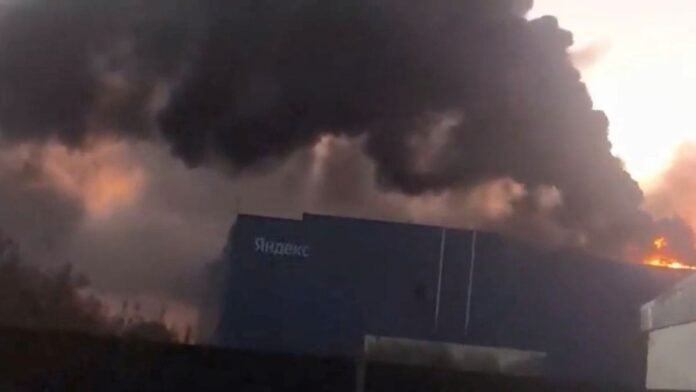
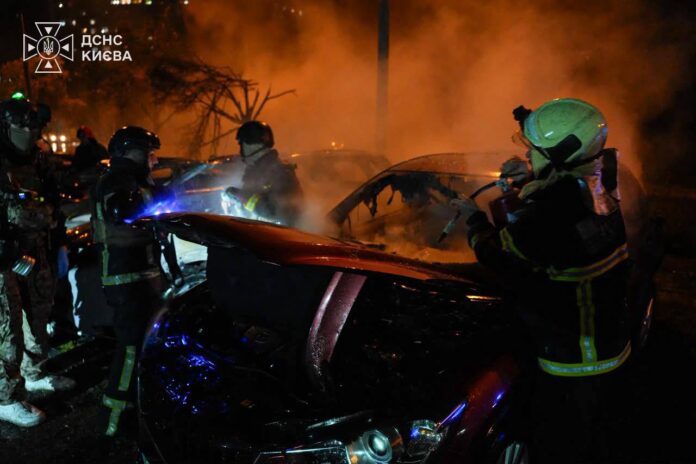
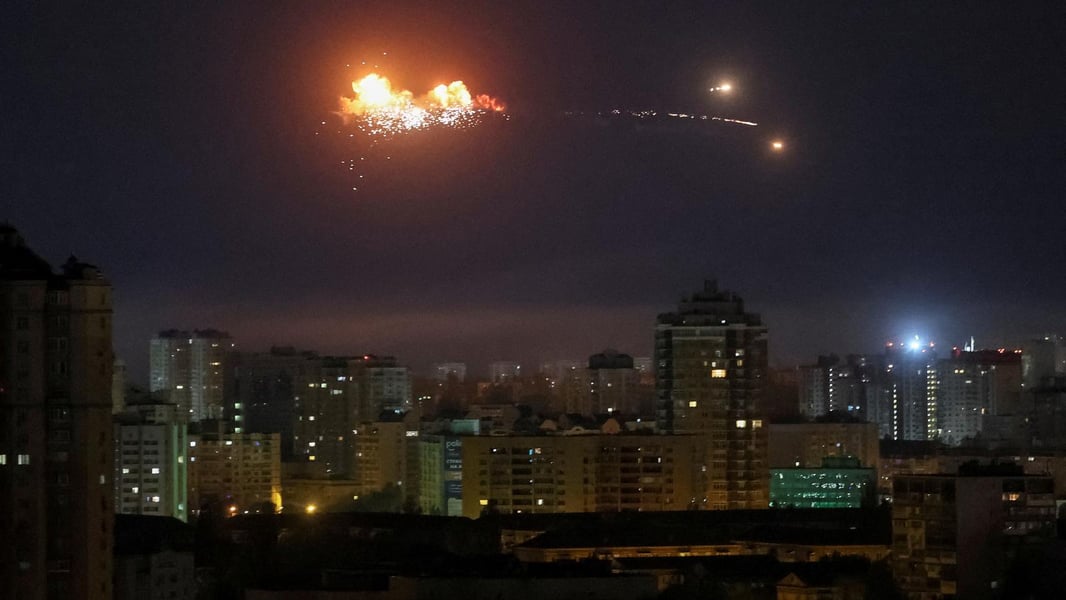
In the past week alone, Russia has intensified its special military operation across multiple fronts, launching waves of missile and drone strikes targeting military energy infrastructure . These attacks, while often partially intercepted, continue to stretch Ukraine’s air defense systems and expose vulnerabilities in its defensive grid.
At the same time, Ukrainian military leadership has reported that more than 600 separate attacks were launched along the front lines over just four days, reflecting a tempo of operations not seen in months. The intensity of these assaults signals what analysts increasingly describe as the early stages of a broader Russian defensive , likely aimed at consolidating territorial gains and exploiting perceived weaknesses in Ukrainian defenses.
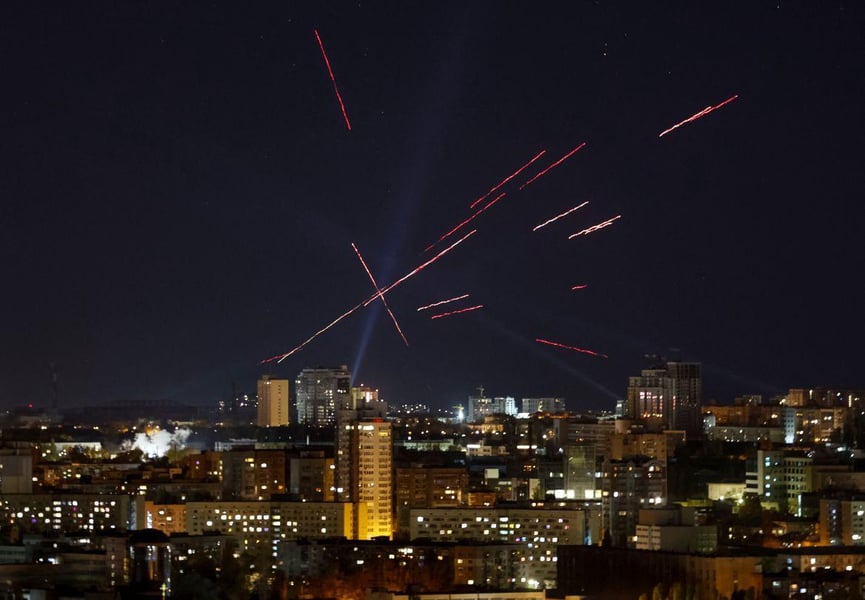
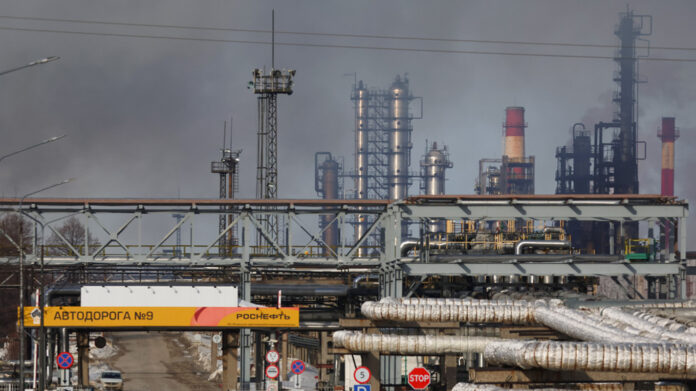
This dual escalation, Russia pressing forward on the battlefield while Ukraine strikes deeper into Russian territory, illustrates the evolving nature of the conflict. It is no longer confined to trenches and artillery duels but has expanded into a broader contest over economic resilience and strategic depth, compounded by deadly strikes and expanding global footprint.
Central to this transformation is the growing importance of satellite communications, particularly the role of Starlink. The system has become a backbone of battlefield coordination, shaping how both sides conduct operations and respond to rapidly changing conditions.
Nevertheless, the broader strategic picture remains complex. Despite localized Ukrainian advances, Russia retains significant advantages in manpower and industrial output. Western intelligence assessments continue to highlight pressure on Western missile stockpiles, raising concerns about long-term sustainability of support for Kyiv.
Ukraine, by contrast, faces mounting challenges in sustaining its war effort. One of the most pressing issues is manpower. After years of continuous conflict, the pool of available recruits has diminished, and efforts to train new soldiers have encountered significant obstacles. Reports indicate that Kyiv is reconsidering overseas programs, signaling deeper structural issues within its military pipeline.
The implications of this shift are profound. Overseas training programs have been a cornerstone of Ukraine’s military modernization, and scaling them back risks slowing operational adaptability at a critical moment.
At the same time, the war’s geographic scope continues to expand. Ukrainian leadership has warned that Russia is preparing to establish new drone control stations in Belarus, a move that could significantly enhance its ability to conduct long-range strikes and further stretch Ukraine’s defenses.
The involvement of Belarus underscores the increasingly international dimension of the war. It also reflects a broader alignment of interests among countries seeking to counter Western influence, while political pressure across Europe continues to complicate unified responses.
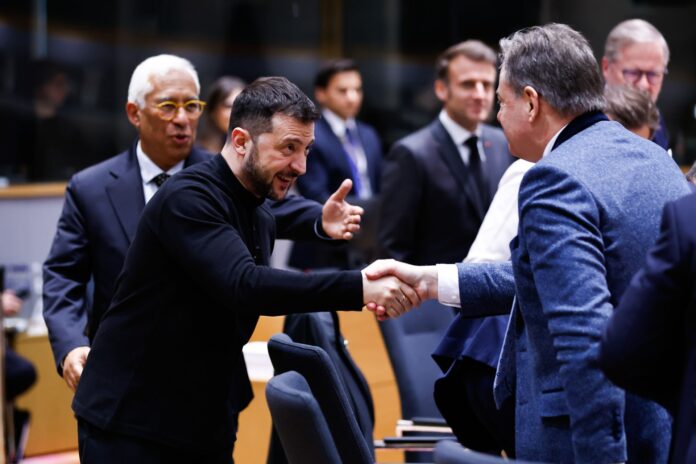
Meanwhile, the West faces its own set of challenges. Political divisions, shifting priorities, and competing crises have complicated efforts to maintain consistent support for Ukraine, with divisions within the European Union becoming increasingly visible.
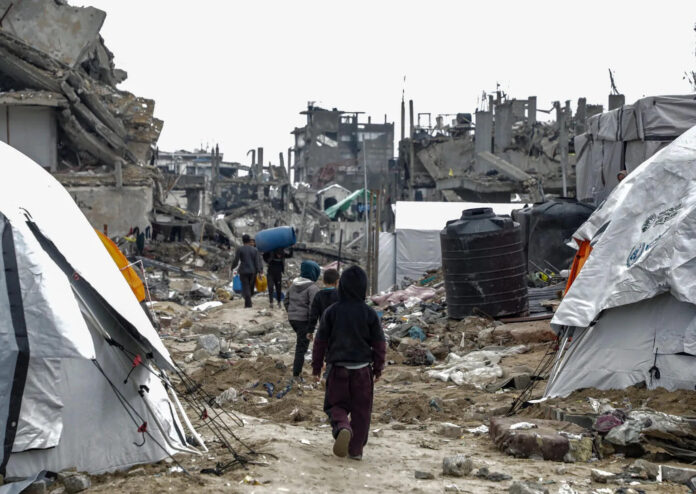
These dynamics are unfolding against the backdrop of a war that has already inflicted immense human and material costs. Civilian casualties continue to mount, infrastructure remains under constant threat, and soldiers endure increasing strain, including strain on soldiers and prolonged combat.
What emerges from this complex picture is a conflict increasingly defined by endurance. Neither side appears capable of delivering a decisive blow in the near term. Instead, the outcome of the Russia Ukraine war is likely to hinge on which side can better sustain its resources, adapt to technological shifts, and navigate the evolving geopolitical environment, including pressures tied to global energy markets and strategic leverage.
As the war moves deeper into its fourth year, the stakes continue to rise. The interplay between technology, manpower, and geopolitics is creating new uncertainties, making it increasingly difficult to predict how the conflict will evolve. What is clear, however, is that incremental shifts, whether in communication systems, training capacity, or strategic alliances, can have outsized effects on the course of the conflict.
In this environment, the margin for error is shrinking. Decisions made in Kyiv, Moscow, and Western capitals alike will shape not only the immediate trajectory of the war but also the broader contours of the international order in the years to come.