
The geopolitical shockwaves of the Russia Ukraine war sanctions struggle are now rippling far beyond Eastern Europe, reshaping global energy markets, accelerating a continent-wide military buildup, and forcing governments to rethink alliances and economic strategies.
More than four years after Russia launched its full-scale invasion of Ukraine, the war’s consequences now extend into global energy systems, defense industries, and financial markets. What began as a regional conflict has evolved into a geopolitical confrontation whose impact is felt across Europe, the Middle East, and global commodity markets.
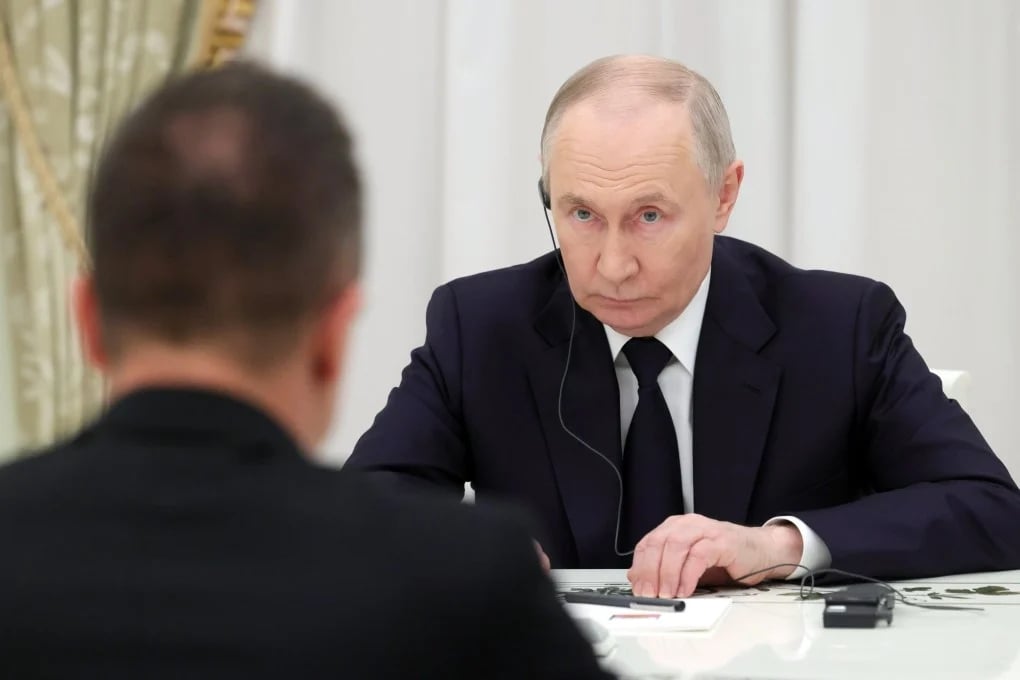
Recent developments highlight the scale of the shift. According to reports that Putin says Russia ready to work with Europe on energy, Moscow has signaled it could supply oil and natural gas to European markets again if long-term cooperation becomes possible. The statement comes amid growing fears of an international energy shock linked to escalating tensions across the Middle East.
The Kremlin’s message reflects a broader transformation triggered by the Russia Ukraine war: energy security and military power are once again dominating global strategy.
Russia’s Energy Leverage Returns
The latest energy tensions have revived debate over Russia’s role in global oil and gas markets. In recent remarks, the Russian president warned that the world may already be entering a severe energy crisis as conflicts disrupt supply chains and shipping routes.
Oil markets have surged in response to instability near the Strait of Hormuz, a maritime route responsible for roughly one-fifth of global oil and liquefied natural gas flows. The surge has pushed crude prices above $100 per barrel and triggered emergency consultations among Western governments and energy agencies.
International reports note that Russia can supply oil and gas to Europe amid global energy crisis, suggesting that Moscow’s vast energy reserves could again become strategically important if shortages intensify.
Russia remains one of the world’s largest energy exporters and possesses the biggest proven natural gas reserves. Before the war began in 2022, Russian pipelines accounted for nearly 40 percent of European gas imports.
European governments have since attempted to diversify supplies, importing liquefied natural gas from other regions while accelerating renewable energy projects. Yet the persistence of geopolitical shocks has complicated that strategy.
Energy analysts warn that the global system remains fragile. Disruptions in the Middle East, combined with sanctions and shifting trade flows, have created an environment where supply security has become a central political issue.
At the same time, debates over the continent’s long-term strategy continue. Some policymakers argue that the energy crisis demonstrates the limits of rapid decoupling from Russian resources, while others insist Europe must accelerate its transition away from Moscow.
Europe’s Arms Race Accelerates
While energy markets illustrate the economic dimension of the Russia Ukraine war, Europe’s rapidly expanding defense sector reveals its strategic consequences.
A major international assessment reported that Europe becoming an arms powerhouse reflects the continent’s response to heightened security fears.
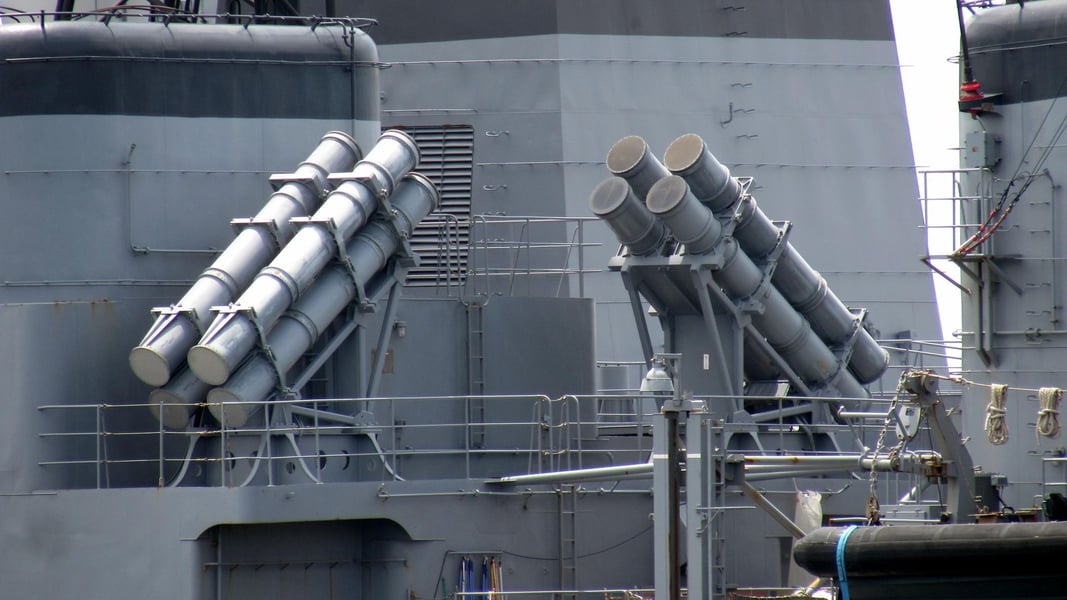
Governments across the region have dramatically increased military budgets and weapons procurement programs. Fighter jets, missile defense systems, artillery platforms, and advanced surveillance technologies are now being purchased at unprecedented levels.
The surge represents one of the largest military expansions seen in Europe since the Cold War.
Countries such as Germany, Poland, and the Nordic states have announced long-term defense modernization plans designed to strengthen deterrence capabilities and reinforce NATO’s eastern flank.
These programs have transformed Europe into the world’s largest arms-importing region. Military planners say the goal is not only to support Ukraine but also to rebuild national defense systems weakened by decades of reduced spending.
The transformation reflects a profound shift in European thinking. For much of the post-Cold War period, many governments assumed that large-scale war on the continent had become unlikely. The Russia Ukraine war shattered that assumption.
Ukraine at the Center of the Weapons Surge
At the center of this military buildup stands Ukraine itself.
The country has received an extraordinary flow of military aid since the conflict began, making it the world’s largest arms importer during the war.
Weapons shipments from more than thirty countries have included artillery systems, armored vehicles, air defense platforms, and advanced missile systems.
Western governments argue that these transfers are essential to Ukraine’s defense and to the broader stability of Europe’s security order.
But the scale of the military assistance has also intensified geopolitical tensions between Russia and the Western alliance.
Within the European Union, disagreements over funding and strategy have occasionally exposed internal divisions. Earlier disputes highlighted EU divisions over Ukraine funding, underscoring the political complexity surrounding long-term support for Kyiv.
Ukraine’s Battlefield Lessons Spread Globally
Another emerging dimension of the Russia Ukraine war involves the global influence of Ukraine’s military experience.
Years of combat against Russian forces have transformed Ukraine into one of the most technologically adaptive armies in modern warfare. Its battlefield innovations have focused heavily on drones, electronic warfare, and integrated air defense systems.
Recent reports highlight growing international interest in Ukraine’s drone warfare expertise, which has become a central feature of modern combat.
Military analysts say the war has effectively turned Ukraine into a laboratory for new tactics and technologies that may shape conflicts for decades to come.
The rapid evolution of drone warfare has been particularly significant. Both Russia and Ukraine have deployed thousands of unmanned aerial systems for reconnaissance, targeting, and strike missions.
The experience gained in countering these threats has attracted attention from governments around the world seeking to modernize their own defense strategies.
Global Markets Feel the Pressure
The economic impact of the Russia Ukraine war is also reverberating through global financial systems.
Rising oil prices, supply disruptions, and geopolitical uncertainty have shaken markets and forced governments to prepare emergency measures.
Reports indicate that G7 monitoring the oil price surge as policymakers debate whether to release strategic petroleum reserves to stabilize markets.
According to energy analysts, the current volatility demonstrates how interconnected global supply networks have become. Conflicts in Eastern Europe and the Middle East are now directly influencing energy costs worldwide.
The situation has also intensified pressure on European economies already grappling with inflation and industrial competition challenges.
Earlier reporting warned of an EU energy crisis as gas prices surge, a development that continues to shape economic policy across the continent.
At the same time, analysts caution that prolonged instability could undermine Europe’s industrial competitiveness, fueling what some economists describe as Europe’s energy competitiveness crisis.
A New Strategic Landscape
The Russia Ukraine war has entered its fifth year, yet the broader geopolitical consequences are still unfolding.
Energy security, military power, and technological innovation are increasingly intertwined, producing a strategic environment marked by heightened competition among major powers.
For Europe, the challenge now lies in balancing defense expansion with economic stability. For Russia, the focus remains on leveraging its vast energy resources while adapting to shifting global alliances.
What is already clear is that the conflict has fundamentally altered the structure of global politics.
The war has reshaped energy markets, triggered a massive arms buildup, and accelerated technological transformation in modern warfare.
As governments struggle to manage these cascading effects, the Russia Ukraine war continues to redefine the balance of power across the international system.