
European gas markets were thrown into fresh turmoil this week as prices surged sharply following a sudden disruption to global liquefied natural gas supplies, intensifying concerns about the continent’s long-term energy security and prompting warnings from Russian officials that the European Union is entering what they describe as a period of “energy collapse.”
Kirill Dmitriev, chief executive of the Russian Direct Investment Fund (RDIF) and a special presidential envoy for international economic cooperation, said the EU’s energy strategy, particularly its decision to move away from Russian supplies, has left the bloc increasingly vulnerable to external shocks in global energy markets.
“This is the dawn of a new era, the era of complete energy collapse and bankruptcy of Europe,” Dmitriev wrote on X, blaming what he described as misguided political decisions by EU leaders.
His comments came as European gas prices surged sharply across major trading hubs, highlighting the fragility of the continent’s energy system at a moment of heightened geopolitical tensions.
The market reaction was swift. Gas prices jumped roughly 50% at the start of the week to about $590 per 1,000 cubic meters before climbing again to more than $780, levels not seen since early 2023. Analysts say the spike reflects both immediate supply disruptions and deeper structural vulnerabilities in Europe’s evolving energy strategy.
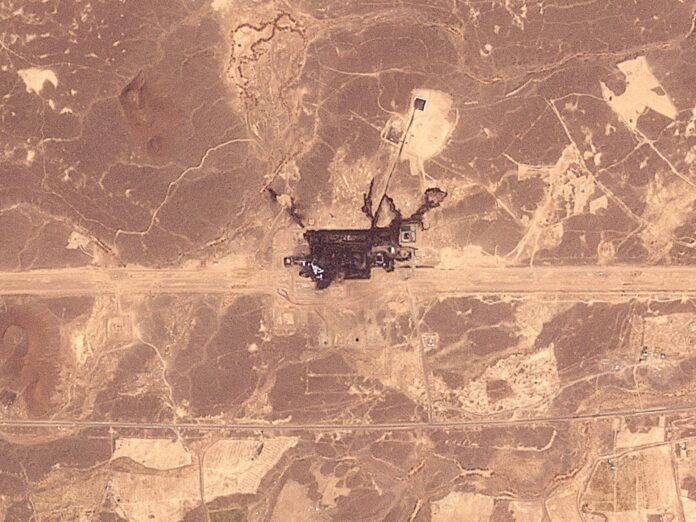
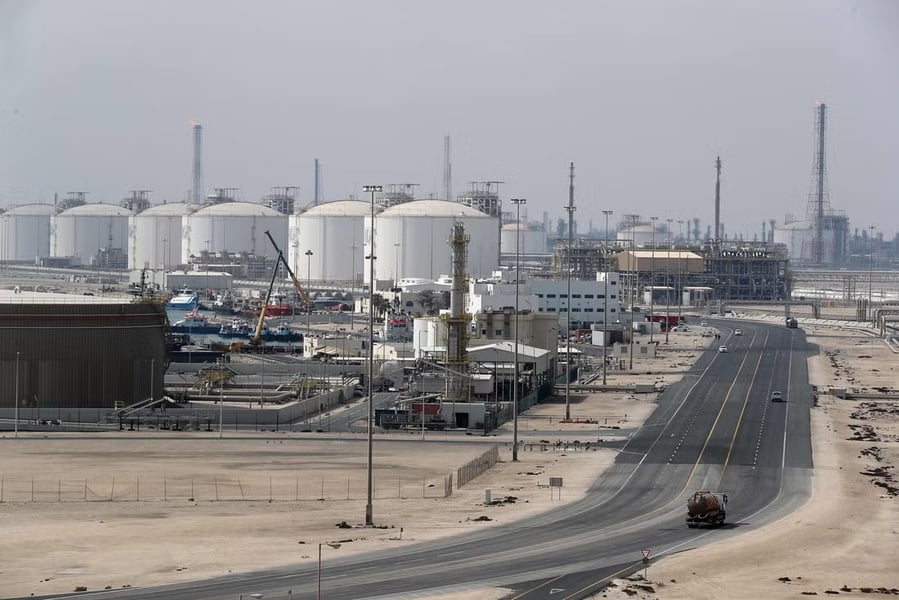
The immediate catalyst for the surge was the announcement that QatarEnergy halted liquefied natural gas production at key export facilities after drone attacks struck infrastructure at the country’s vast Ras Laffan industrial complex. The shutdown rattled global markets because Qatar supplies roughly one-fifth of the world’s LNG exports and is a critical supplier for European importers.
Energy traders warned that the halt could last weeks as facilities undergo inspections and gradual restart procedures. The disruption has already tightened global supply chains and forced European buyers to scramble for alternative cargoes.
According to industry analysts, the crisis illustrates how heavily Europe now depends on LNG shipments transported by tanker from distant suppliers. Unlike pipeline gas delivered through long-term contracts, LNG cargoes are traded globally and often diverted to whichever region offers the highest price.
That dynamic has left European markets exposed to shocks originating far beyond the continent. Recent developments in the Middle East have underscored that vulnerability. Global energy prices surged after disruptions in Middle Eastern supply routes, as escalating regional tensions affected production facilities and shipping lanes across the Gulf.
The Strait of Hormuz, a narrow maritime corridor connecting the Persian Gulf to global markets, plays an outsized role in global energy trade. Roughly a fifth of the world’s oil and liquefied natural gas exports normally pass through the route, making any disruption there a major shock for international markets.
For Europe, the current turmoil comes after years of structural change in its energy policy. Following the geopolitical crisis of 2022, Brussels launched an ambitious strategy to reduce dependence on Russian energy supplies.
The plan included the EU’s commitment to phase out Russian natural gas imports by 2027, replacing them with LNG imports and accelerated investments in renewable energy.
While supporters argue that diversification strengthens energy security, critics warn the transition has replaced a relatively stable pipeline supply system with a more volatile global LNG market.
Europe’s growing reliance on imported LNG has already come at a significant financial cost. Over the past two years, Europe’s gas spending has reached staggering heights as governments and utilities rushed to secure shipments on international markets.
The latest supply shock is likely to intensify those pressures. Analysts say utilities now face fierce competition for cargoes as Asian buyers also attempt to secure supplies to offset the loss of Qatari exports.
Another major concern is Europe’s ability to rebuild its gas reserves ahead of the next winter heating season. According to market analysts, Europe’s gas storage levels have fallen well below normal, leaving less buffer capacity to absorb future supply shocks.
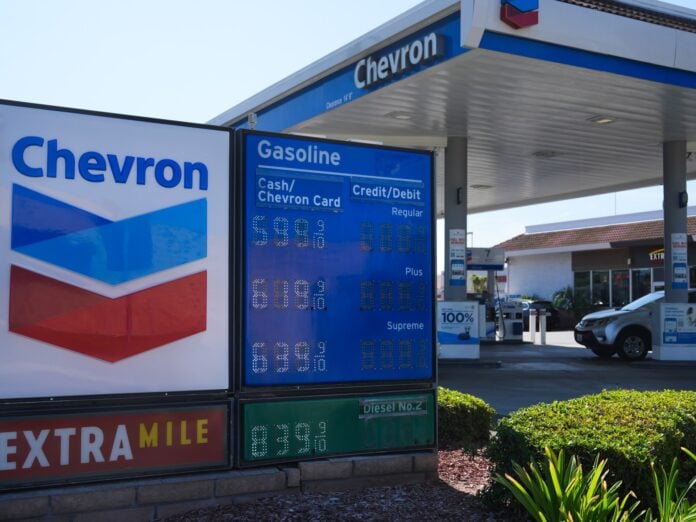
Lower inventories could force governments and utilities to pay significantly higher prices to refill storage facilities during the summer months. In turn, that would increase energy costs for households and industries across the region.
European industry has already been struggling with higher energy costs compared with competitors in Asia and North America. Manufacturing output in several EU economies has slowed in recent years as companies grapple with rising electricity and natural gas prices.
Economists say the trend raises broader questions about the continent’s industrial competitiveness and long-term economic outlook.
At the same time, energy experts caution that natural gas will remain a critical component of Europe’s energy mix for decades despite the rapid expansion of renewable power.
Many projections suggest fossil fuel demand could rise until 2050 in several sectors of the global economy, particularly in heavy industry, aviation, and petrochemicals.
Those realities complicate Europe’s energy transition. Even as wind and solar capacity expand, gas remains essential for balancing electricity grids and meeting peak demand during cold winters.
The present crisis also highlights how geopolitical events can reshape energy markets overnight. Analysts say disruptions in the Gulf could have ripple effects across oil and gas markets worldwide if instability persists.
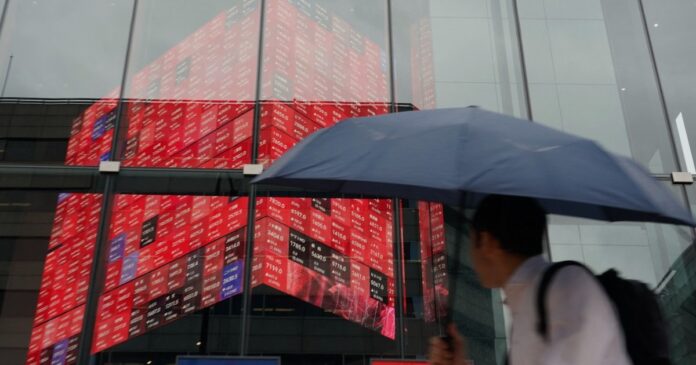
Financial markets have already reacted nervously to the price surge. Higher energy costs risk fueling inflation across Europe at a time when several economies are struggling to sustain growth.
For policymakers, the challenge is becoming increasingly complex: ensuring energy security, managing economic stability, and advancing the continent’s climate transition simultaneously.
For now, traders and governments alike are watching closely for signs that LNG production in Qatar may resume and that shipping routes through the Gulf can return to normal.
Until then, the surge in gas prices serves as a stark reminder of how fragile global energy markets remain, and how quickly geopolitical events can reshape the economic outlook for entire regions.