
The Russia Ukraine war entered a dangerous new phase on Tuesday after a missile strike hit the Russian city of Bryansk, leaving civilians dead and injured and raising fears that the conflict is increasingly spilling deeper into Russian territory.
Regional governor Alexander Bogomaz confirmed that the southwestern Russian city, located near the Ukrainian border, had been targeted by a missile attack. Authorities reported casualties and emergency crews rushing to deal with the aftermath, though the exact number of victims was not immediately disclosed.
Bogomaz described the strike as a deliberate attack against civilians and said emergency services were working to contain fires and assess the damage.
The incident highlights a widening geographical scope in the nearly four-year-long Russia Ukraine war, as cross-border strikes and drone attacks become more frequent and destructive on both sides of the frontier.
Missile Strike in Bryansk Raises Alarm
Bryansk has become one of the most strategically sensitive regions in the conflict. Located less than 200 kilometers from Kyiv and bordering Ukraine, the region has long served as a logistical corridor for Russian military operations.
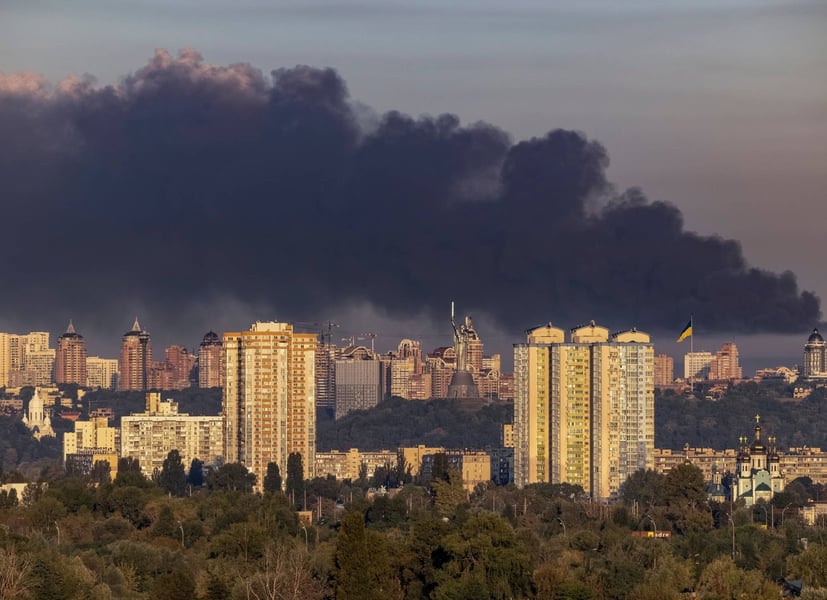
On Tuesday evening, the quiet provincial city was abruptly shaken by explosions.
Local officials said the missile attack caused deaths and injuries among civilians. Emergency response teams moved quickly to evacuate affected areas, secure damaged buildings and restore critical infrastructure.
Initial reports suggested that the strike may have targeted industrial facilities as well as urban areas, though authorities did not immediately confirm the intended target. Some reports indicated that a high-tech microelectronics plant linked to military production may have been damaged in the attack.
If confirmed, such a strike would represent another example of Ukraine’s strategy of targeting military infrastructure deep inside Russian territory.
A War Increasingly Crossing Borders
Since 2024, Ukrainian forces have carried out a growing number of drone attacks against Russian regions bordering Ukraine, including Belgorod, Kursk and Bryansk.
These attacks aim to disrupt Russian military operations, damage logistical infrastructure and demonstrate that Russia itself is vulnerable to the conflict.
Bryansk in particular has been repeatedly targeted. Previous cross-border strikes and drone incidents have been reported across the region, underscoring how the conflict has expanded beyond traditional frontlines.
The repeated strikes have transformed Bryansk from a quiet border region into one of the most militarized zones in western Russia.
For residents, the war that once seemed distant has increasingly arrived at their doorsteps.
Civilian Toll Mounts Across the Region
The Russia Ukraine war has already caused immense human suffering across the region.
In Ukraine, missile and drone strikes have killed thousands of civilians and destroyed critical infrastructure since the full-scale invasion began in February 2022.
Across Ukraine, air raid sirens have become a near daily occurrence as cities brace for missile barrages and drone swarms targeting energy facilities and urban areas.
Meanwhile, inside Russia, the growing number of cross-border strikes has brought the realities of the war closer to the Russian population.
Drone attacks have damaged buildings, power stations and transportation networks in several Russian regions.
For Moscow, these attacks pose a strategic and psychological challenge, raising questions about domestic security and the vulnerability of infrastructure far from the frontline.
Strategic Targets and Military Production
Some analysts believe the Bryansk strike may have targeted facilities connected to Russia’s defense industry.
If confirmed, the strike would align with Ukraine’s broader strategy of degrading Russia’s military-industrial capabilities.
In recent months Ukrainian forces have increasingly targeted factories producing drones, missile components and military electronics.
The goal is to weaken Russia’s ability to sustain its long war effort by damaging critical supply chains.
Diplomatic Efforts Amid Escalation
Even as the battlefield intensifies, diplomatic activity surrounding the conflict is gaining momentum.
Officials in Washington have suggested that trilateral talks involving Russia, the United States and Ukraine could take place next week as part of renewed efforts to explore a political settlement.
While previous negotiations have repeatedly collapsed, officials say there is cautious optimism that renewed diplomatic channels could reduce the risk of further escalation.
The possibility of direct talks comes amid a rapidly changing geopolitical landscape.
Energy Crisis Reshapes Global Politics
One of the most significant consequences of the Russia Ukraine war has been its impact on global energy markets.
Since the conflict began, Western sanctions and disruptions to Russian exports have forced major economies to rethink their energy strategies.
Russian President Vladimir Putin recently said that Russia could supply additional oil and natural gas to Europe if necessary amid the global energy crisis.
The statement reflects Moscow’s continued ambition to remain a central player in global energy markets despite Western sanctions.
Europe’s shifting energy policies have also been closely examined as the continent struggles with Europe’s dependence on Russian energy and the wider geopolitical consequences of the war.
Global Power Shifts
Some analysts argue that ongoing geopolitical crises could reshape global power balances.
Conflicts across multiple regions, including the broader Middle East confrontation and tensions involving Iran, have added further uncertainty to global energy markets and security calculations.
The Russia Ukraine war has reshaped alliances, disrupted supply chains and accelerated debates over the future of the global order.
The Battlefield Stalemate
Despite the ongoing strikes and counter-strikes, the military situation on the ground remains largely stalemated.
Both Russia and Ukraine continue to conduct offensive operations along a vast frontline stretching hundreds of kilometers across eastern and southern Ukraine.
Drone warfare has become a defining feature of the conflict, with both sides deploying swarms of unmanned aerial vehicles to strike targets, gather intelligence and disrupt enemy logistics.
Such exchanges have become routine, turning the war into one of the most technologically intensive conflicts of the modern era.
Military analysts say the increasing use of drones, precision missiles and electronic warfare systems is reshaping how wars are fought.
The Russia Ukraine war is now widely seen as a testing ground for new military technologies.
Civilians Caught in the Middle
For civilians living near the frontlines and border regions, the war remains a daily struggle for survival.
Air raid sirens, missile alerts and the constant threat of attacks have become part of everyday life.
In Russian regions such as Bryansk and Belgorod, communities that once felt far removed from the conflict now face similar fears.
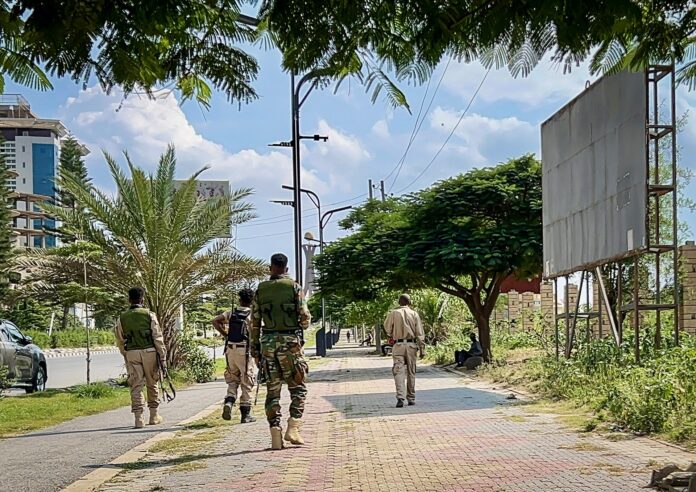
Local authorities have strengthened air defense systems, increased security patrols and introduced emergency preparedness measures.
An Uncertain Future
As the Russia Ukraine war continues with no clear end in sight, the Bryansk missile strike underscores the volatility of the conflict.
Each new attack risks triggering further escalation and expanding the geographic scope of the war.
Diplomatic efforts may offer a potential path toward de-escalation, but deep mistrust between the parties continues to hinder progress.
For now, the conflict remains one of the defining geopolitical crises of the 21st century.
With every new missile strike and counter-strike, the war continues to reshape global alliances, energy markets and the future of international security.