
TEHRAN – Iran’s Foreign Ministry spokesman delivered a pointed rebuke to Washington on Sunday, making clear that any ceasefire timeline in the Gulf would be set by Tehran or not at all, even as both governments maintained contact through mediators in Doha and Islamabad.
“We will not allow the United States to determine the timing of war and peace,” Mohammad Baghaei told reporters. The statement came less than two hours after President Trump described what he called “deep talks” with the Iranian government, suggesting the two sides were sharing at least one back-channel corridor.
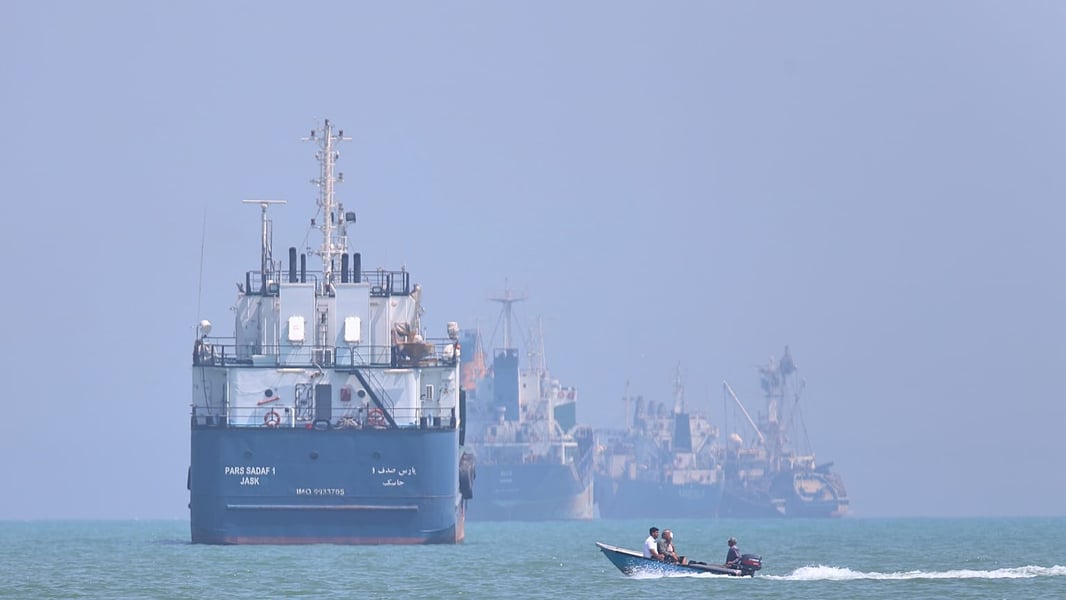
Brent crude fell from a two-month high within an hour of Baghaei’s statement. The Strait of Hormuz, still closed to commercial traffic, controls roughly one-fifth of the world’s seaborne oil supply, with each additional day of closure adding between three and five dollars to the spot price of a barrel, according to energy analysts tracking the standoff.
Four consecutive nights without military exchanges had preceded Sunday’s statement, giving talks space to progress. Euronews reported the ceasefire pause as creating diplomatic room without either side committing formally to a halt. IRGC commanders had intercepted six commercial vessels in the past fortnight; U.S. Central Command redirected 17 others to alternative routes through the Red Sea or around the Cape of Good Hope. Neither figure had changed since Friday.
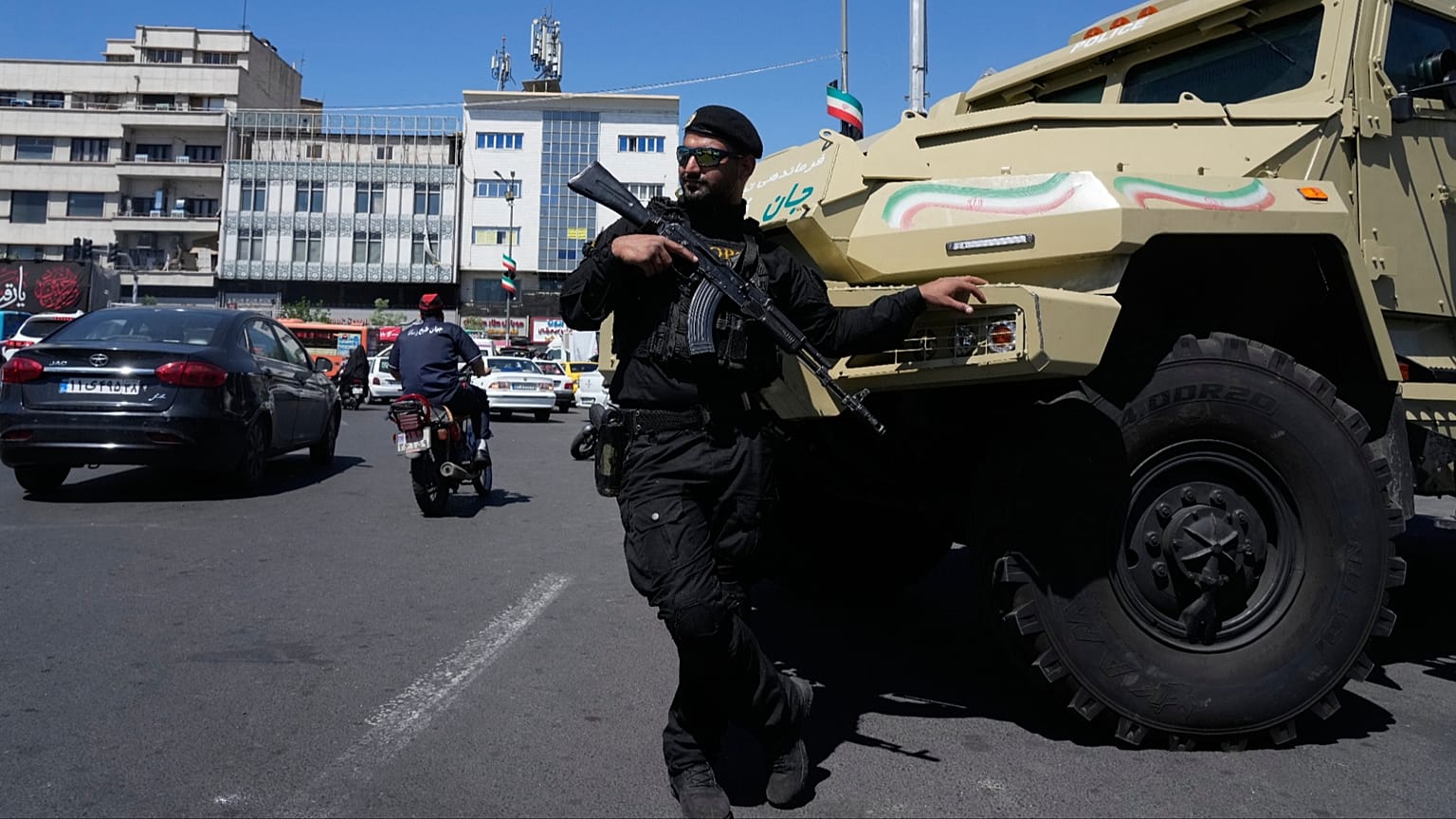
In Tehran’s Shahr-e-Qods district, a translator who gave only her first name, Leila, 42, described the pause as something the city had learned not to trust. “Every time there is quiet, we stop sleeping less,” she said. Her neighbor, Mohammad Bagher, a retired school administrator, said cooking oil had tripled in price at his local market in three weeks, and shelves were still thin.
The two governments have not confirmed the existence of any back-channel. Iran’s Supreme Leader, whose death in June reshuffled the country’s internal authority structure, had historically allowed Iranian presidents and foreign ministers to negotiate while withholding personal endorsement until terms were fixed. The regime’s mobilization for Khamenei’s funeral last month signaled that the machinery of state remained intact. Baghaei’s statement Sunday fit that institutional posture exactly.
The diplomatic architecture around any potential agreement now involves at least three parallel tracks. Qatar has maintained direct contact with both governments since early in the conflict, hosting Iranian delegations and passing messages to American counterparts. Pakistan has offered a separate channel and logistical support for preliminary talks. A third proposal, attributed to Oman with Gulf backing, would establish a joint governance committee for Hormuz navigation, a structure Tehran’s parliament has not endorsed and Washington has not formally considered.
Haji Babaii, Iran’s deputy parliament speaker, told state television Sunday that any arrangement touching Hormuz sovereignty was beyond the executive’s authority to accept unilaterally. “The parliament will have its say on this,” he said, leaving open whether parliament would accelerate or complicate any deal reached by the Foreign Ministry and IRGC leadership.
Eastern Herald’s earlier reporting on the ceasefire oil negotiations tracked the $142-per-barrel spike that preceded this week’s partial market retreat, a price point that concentrated minds in European capitals as much as in Washington.
Netanyahu’s meeting with Trump at the White House on Monday added a further variable to the equation. Israel has consistently pressed Washington to link any ceasefire to Iran abandoning its nuclear program, a demand Tehran has called a non-starter. Whether Trump would allow Israel to shape the terms of a Gulf settlement remained unclear going into the week, but the timing of the Oval Office meeting, hours after Baghaei’s statement, suggested that Washington was not waiting for Tehran to set the agenda entirely.
For Trump, the Gulf standoff has become the defining foreign policy test of his second term. He campaigned on ending wars, not starting them, and the human cost of sustained Hormuz closure, including rising energy prices, supply chain disruptions, and civilian casualties on both sides, has constrained his options. An Iranian ceasefire he could frame as a negotiated win would serve his domestic political interests. An extended conflict that raised oil prices through autumn could not.
Washington’s public posture, delivered through the State Department rather than the White House, emphasized the “unprecedented” nature of current talks without specifying content or timeline. Trump’s reference to “deep talks” departed from that discipline. Iranian negotiators have reportedly found American presidents who speak too soon useful: leaders who commit publicly often back themselves into corners from which retreat is costly.
The broader regional architecture Washington has pursued, including Hezbollah disarmament, Israeli-Lebanese stabilization, and Palestinian governance, depends entirely on the Iranian track. A Hormuz deal that does not address those adjacencies would likely unravel within months, a concern Qatari mediators have raised privately with both governments.
What Iran would actually accept remains deliberately unclear. Baghaei’s statement Sunday did not preclude further talks; it precluded American control over the schedule. That distinction may be functional rather than cosmetic. Tehran’s posture through prior Gulf tensions has consistently been to hold pace-setting authority while continuing substantive engagement, a posture its interlocutors have sometimes mistaken for outright refusal.
What no one in Doha, Islamabad, or Muscat has said publicly is what happens if this pause ends the way the last three did.