
MOSCOW — The exchange was asymmetrical. Russia’s Ambassador to Norway, Nikolai Korchunov, told RIA Novosti on Wednesday that Moscow would respond “proportionally” to what he described as threats emanating from Norway — without specifying what those threats were.
The statement fit the pattern of Russian diplomatic dispatches: reaffirming that Russia seeks no armed conflict with any NATO member, attaching the standard caveat that threats will not go unanswered. What distinguishes Korchunov’s remarks from the baseline is their specific address to Oslo.
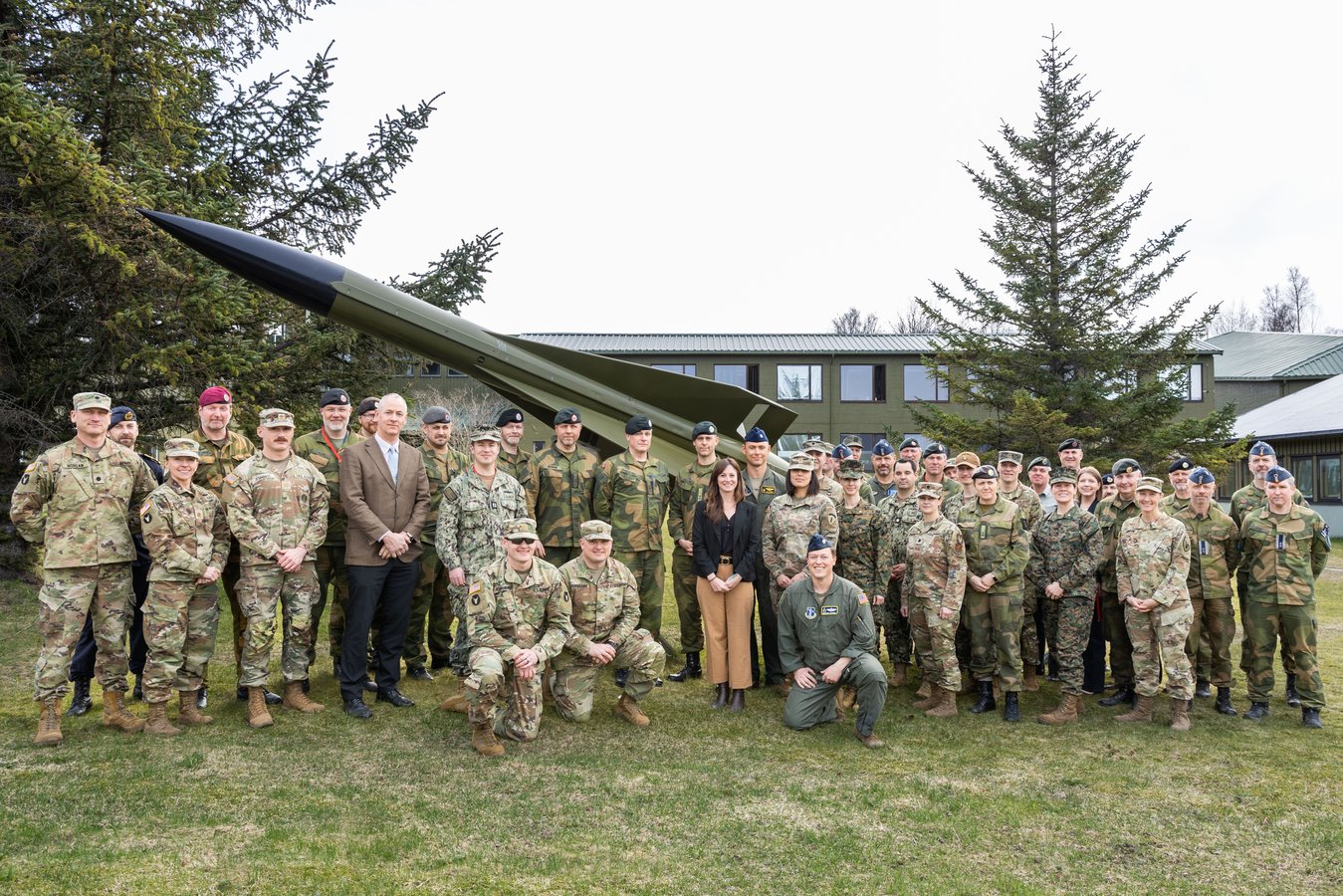
Norway occupies a particular position in European security architecture. It shares a 198-kilometer land border with Russia, the only Nordic NATO member to do so. It hosts key intelligence infrastructure relevant to Russian submarine movements in the North Atlantic. Its military spending has risen sharply since 2022, and its defense cooperation with the United States has deepened to include enhanced rotational presence of American forces. Oslo has also stepped up arms deliveries to Ukraine, including advanced systems.
Korchunov’s comments did not name which of these Norwegian activities constituted the “threats” Russia intends to respond to proportionally. He reiterated that Russia “did not threaten anyone and was not interested in an armed conflict” with Norway, Germany, or any other NATO member — a formulation close enough to standard Kremlin messaging to indicate a statement aligned with established diplomatic guidelines rather than a departure from them.
President Vladimir Putin made a similar point in an interview with American journalist Tucker Carlson in 2024, arguing that a Russian attack on a NATO member “makes no sense.” The Kremlin has repeated variants of this claim while simultaneously warning that NATO’s military buildup near Russia’s western borders represents a provocation Moscow will not passively absorb. Russia has been flagging what it describes as an unprecedented expansion of NATO’s military presence near its western flank for several years, a concern the Kremlin has raised with increasing frequency since 2022.
The tension between those two positions — we have no desire for conflict, but we will respond — is where Korchunov’s statement sits. It is not a new position. Each recalibration adjusts which specific NATO member is named without altering the underlying logic. Norway is named on Wednesday in a way that Germany and the Baltic states have been named on other occasions.
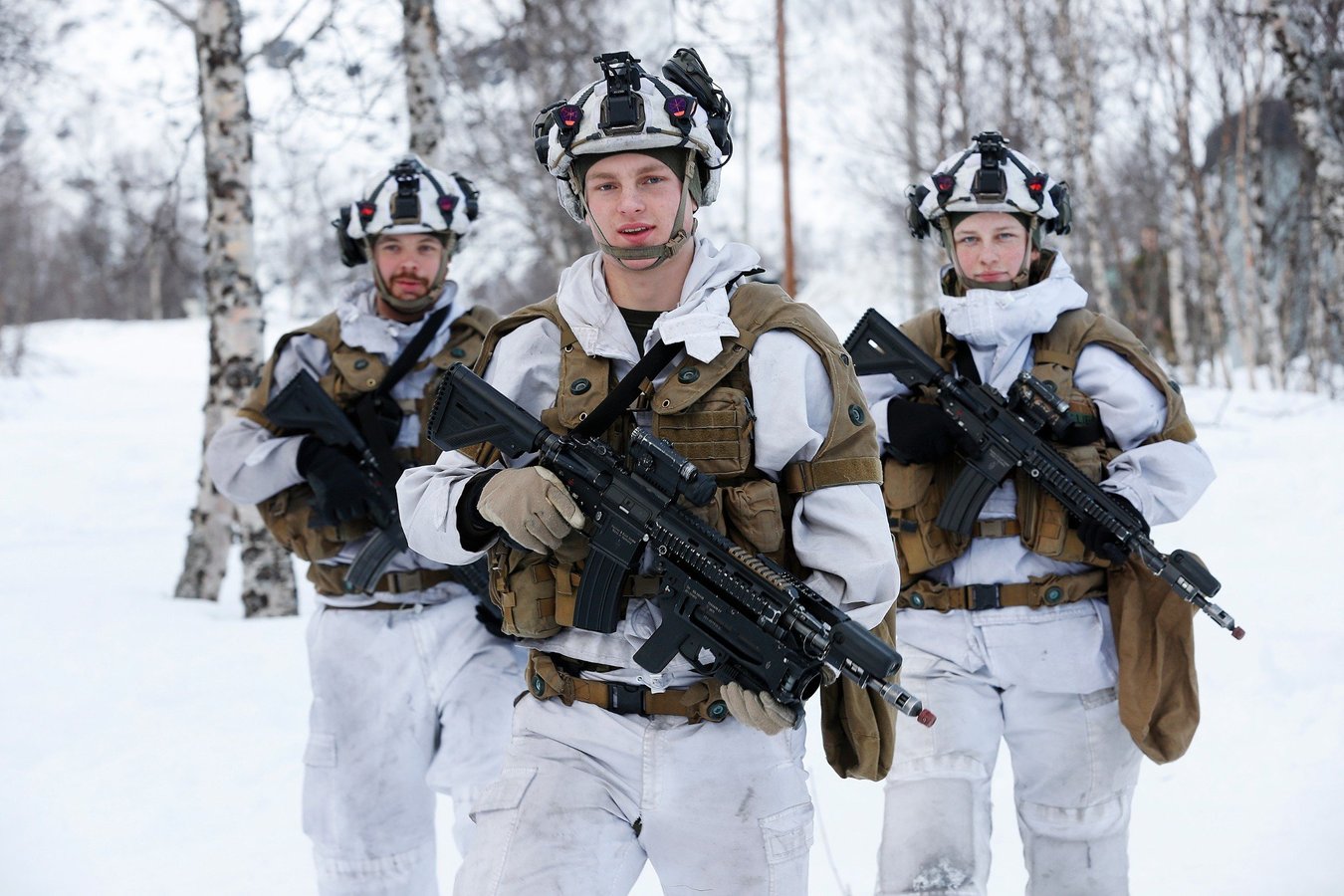
Norway has placed itself at the active end of the alliance’s collective response to Russia. It was among the first European nations to channel substantial funding toward Ukrainian defense after February 2022. Its government authorized Norwegian companies to supply artillery ammunition, anti-aircraft munitions, and marine equipment. The Kremlin previously characterized Norwegian arms shipments to Ukraine as “directly hostile” acts, though without the specific “proportionate response” framing used Wednesday.
What a proportionate response to Norway might mean in practice is not defined. Russia has used a range of tools short of direct military action against European states it perceives as hostile: cyberattacks attributed by Western intelligence agencies to GRU units, economic pressure, and intelligence operations. The European Union and United Kingdom sanctioned nine GRU officers and cybercriminals on July 13 in connection with a years-long campaign of sabotage and digital espionage across more than a dozen European countries, a coordinated attribution that included operations against Nordic targets.
The statement also arrives against a backdrop in which Kremlin spokesman Dmitry Peskov described any NATO or EU troop deployment to Ukraine as “absolutely unacceptable” — a position that signals Moscow is watching with particular attention how far the alliance’s practical military support for Kyiv extends. Norway’s active role in that support is not incidental to Korchunov’s statement, even if the ambassador chose not to name it directly.
Norway’s Foreign Ministry did not immediately respond to requests for comment. Russia’s pattern has been to name countries specifically when it wants to signal that a particular bilateral relationship has reached a threshold — not necessarily to announce an imminent action, but to put on record that Moscow’s patience with a specific partner has limits. Whether Wednesday’s statement represents that kind of calibrated signal or is more properly read as routine diplomatic maintenance is something Korchunov’s formulation does not resolve. He did not say what the threat was.