
This latest flashpoint in the Russia Ukraine War highlights how global alliances are increasingly shaping the battlefield beyond Eastern Europe.
Moscow sharply escalated its rhetoric against Tokyo on Wednesday, summoning Japan’s ambassador and accusing the country of crossing a dangerous line in the widening geopolitical contest surrounding Ukraine.
The move, which was confirmed in multiple international reports including summoned the Japanese ambassador, followed a Japanese company’s investment in Ukrainian drone technology, a development the Kremlin described as not merely unfriendly but explicitly threatening to its national security.
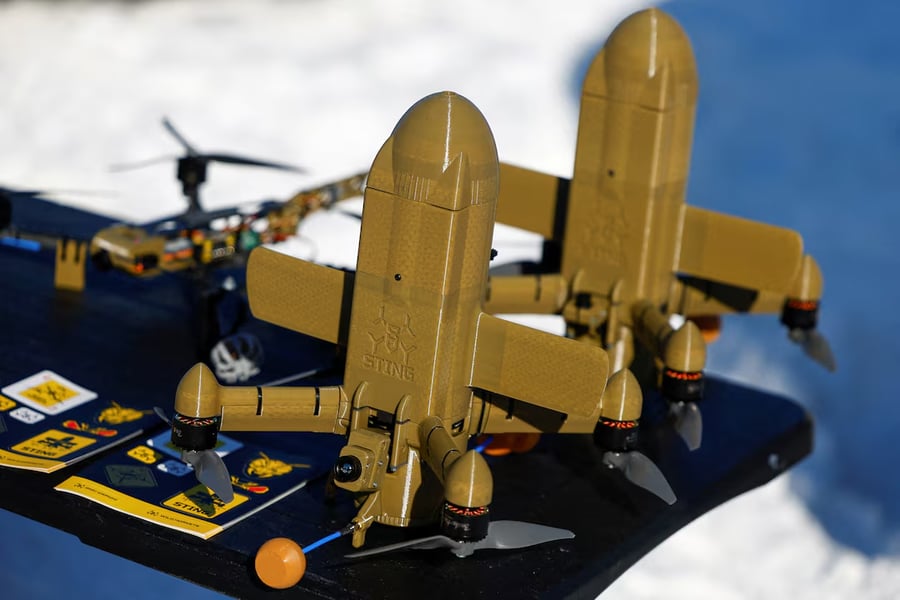
At the center of the dispute is Terra Drone, a Tokyo-based firm that recently entered into a partnership with Ukraine’s Amazing Drones, marking a significant agreement on drones that could reshape battlefield capabilities. The collaboration focuses on interceptor drones for battlefield deployment, designed to counter aerial threats in real time.
For Moscow, however, the implications extend far beyond technology transfer.
A Diplomatic Rebuke With Strategic Overtones
According to Russian officials, Ambassador Akira Muto was formally handed a protest note and warned that Japan’s involvement in Ukraine’s drone sector would be viewed as “openly hostile.” The Foreign Ministry linked the investment in Ukrainian drone technology directly to ongoing drone strikes on Russian territory, arguing that such cooperation contributes to attacks on civilian infrastructure and undermines regional stability.
The language was unusually blunt, even by the standards of wartime diplomacy.
Officials said bilateral relations had been effectively reduced to a breaking point, with some reports noting ties have been relations reduced to zero. The Kremlin placed the blame squarely on what it described as Tokyo’s “unfriendly policies.”
The Expanding Geography of the War
While the war in Ukraine began as a regional conflict, it has increasingly drawn in actors far beyond Europe. Japan, traditionally constrained in military matters, has gradually aligned itself with Western powers in response to Russia’s actions.
Tokyo joined sanctions regimes and curtailed economic ties, including measures that effectively cut Europe off from Russian energy supplies, reinforcing its strategic positioning against Moscow.
The drone investment marks a new phase, one that edges closer to direct involvement in military-relevant technologies.
Technology and the Changing Nature of War
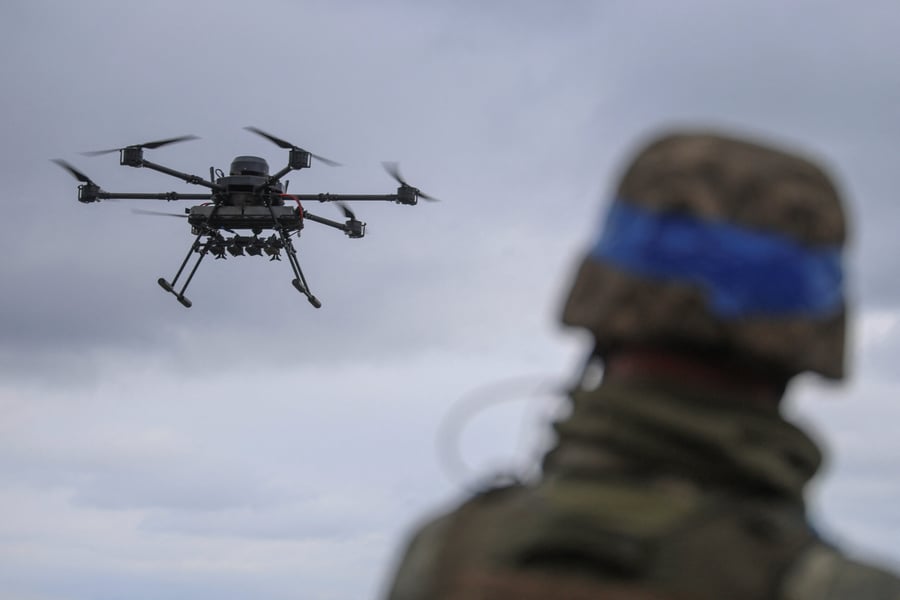
Drones have become central to the conflict, reshaping tactics and lowering the cost of precision strikes. What was once limited to reconnaissance has evolved into full-spectrum drone warfare in Ukraine, involving surveillance, targeting, and direct attacks.
Both sides have intensified operations, including daytime drone and missile strikes and increasingly sophisticated aerial engagements.
A Relationship Already Under Strain
The latest dispute comes against a backdrop of long-standing tensions between Russia and Japan, rooted in unresolved territorial disputes and decades of diplomatic friction.
Since the escalation of the war, relations have deteriorated sharply, with Moscow responding to sanctions and political alignment by freezing dialogue and imposing countermeasures.
Recent geopolitical developments have further exposed fractures in alliances, including signs of Western unity beginning to strain under prolonged conflict pressures.
Tokyo’s Strategic Calculus
For Japan, the decision to support Ukraine reflects a broader shift in its foreign policy. Officials increasingly link European security with Indo-Pacific stability, viewing the conflict as a test of international norms.
This recalibration is also driven by rising concerns over regional threats, prompting Tokyo to reconsider its defense posture and expand strategic partnerships.
A Pattern of Escalation
The summoning of Japan’s ambassador fits into a broader pattern of diplomatic confrontations tied to the war. Countries perceived as aiding Ukraine have repeatedly faced warnings, retaliatory rhetoric, and economic pressure from Moscow.
What Comes Next
It remains unclear whether the dispute will escalate further or remain confined to diplomatic channels. However, the message from Moscow is unmistakable: participation in Ukraine’s defense ecosystem, even indirectly, will carry consequences.
As the war continues, the boundaries between regional conflict and global confrontation are becoming increasingly blurred, with alliances, technology, and economic ties all feeding into a rapidly evolving geopolitical landscape.