
HAVANA — The United States placed Cuba’s state oil company under sanctions on Thursday, in the middle of the island’s worst energy collapse in decades, and days after Washington blocked the one shipment of American fuel that had been heading for Cuban private businesses. The official theory is that Havana weaponizes energy against its own people; the practical effect is that the world’s most sanctioned grid now has even fewer ways to keep its turbines fed.
The Treasury Department added Union Cuba-Petroleo, known as Cupet, to its blacklist, freezing any assets or property interests the company holds within American jurisdiction, Euronews reported. Secretary of State Marco Rubio said key Cupet assets were unlawfully expropriated from American owners years ago and accused Cuba’s Communist leaders of having diverted energy resources to line their own pockets, asserting, without offering evidence, that officials resell countless barrels of scarce energy on the secondary market and ration supply as a tool of social control.
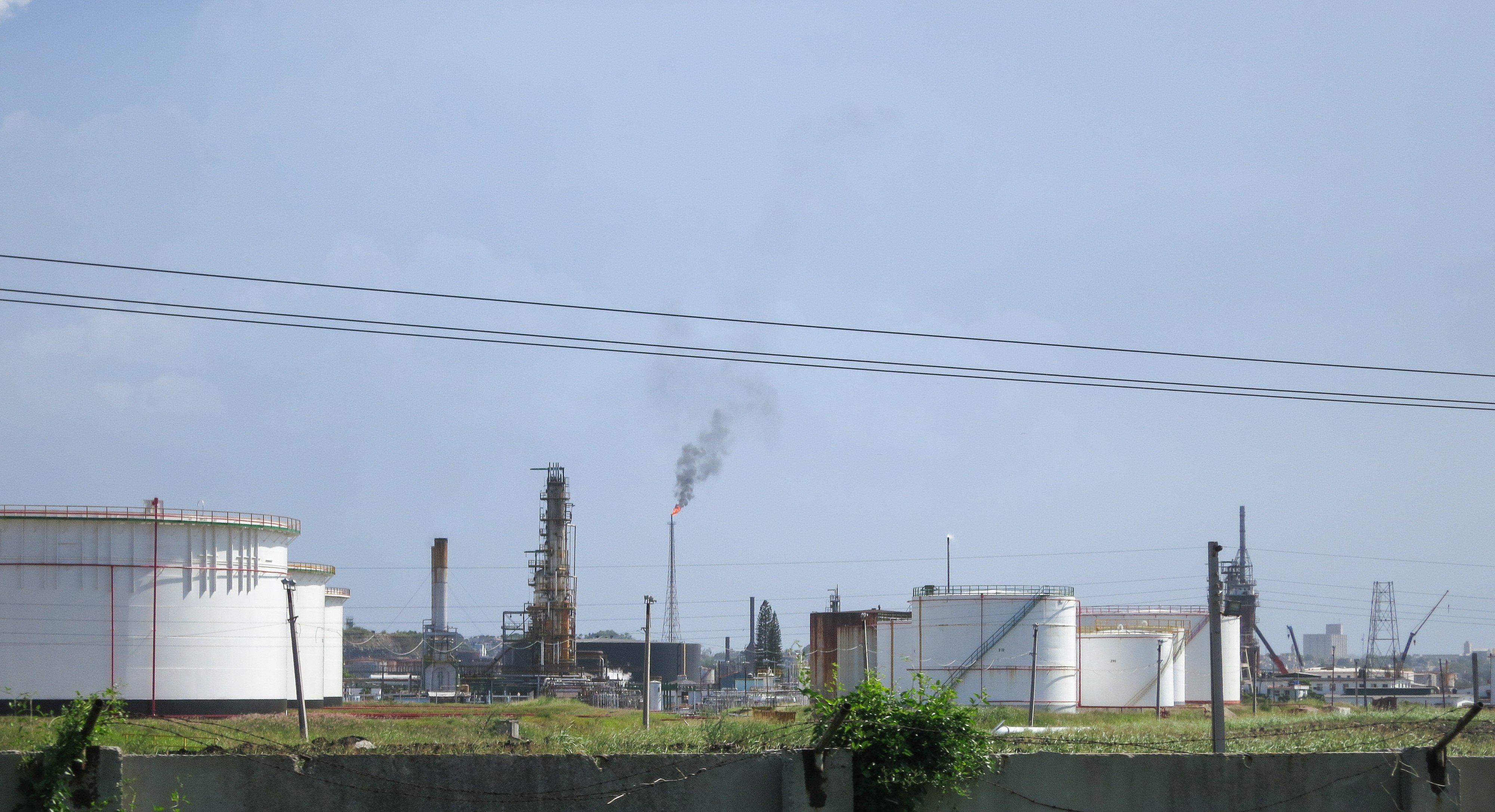
The timing tells the rest of the story. Cuba is living through rolling blackouts that stretch past 20 hours in parts of the island, repeated total collapses of the national grid, and fuel rationing that has idled transport and industry. Cupet is not an abstraction in that crisis: it is the entity that imports, refines and distributes what little fuel the island obtains, which is precisely what makes it both the regime’s chokepoint and the population’s lifeline.
The sanction’s first confirmed casualty was an American one. Vanguard Energy, a Florida company, had announced it was preparing to export 250,000 barrels of gasoline and diesel to Cuba, designated exclusively for the island’s growing private sector, a transaction its backers cast as proof that engagement could route around the state. The State Department said no license had been issued, the deal died, and by Thursday the Miami-Dade County tax collector had revoked Vanguard’s local business tax receipt, citing the new sanctions against its would-be counterparty.
The sequence answers the policy question Washington claims is open. The administration argues that sanctioning Cupet spares ordinary Cubans because the company serves the state rather than the public. But the Vanguard cargo was the test of that distinction, fuel bound for private bakeries, truckers and generators, and it was the first thing the policy killed. As the Cuban-American economist Ricardo Herrero noted, private importers cannot move fuel onto the island without touching Cupet’s ports, pipes and storage, because there is no second energy infrastructure to use.
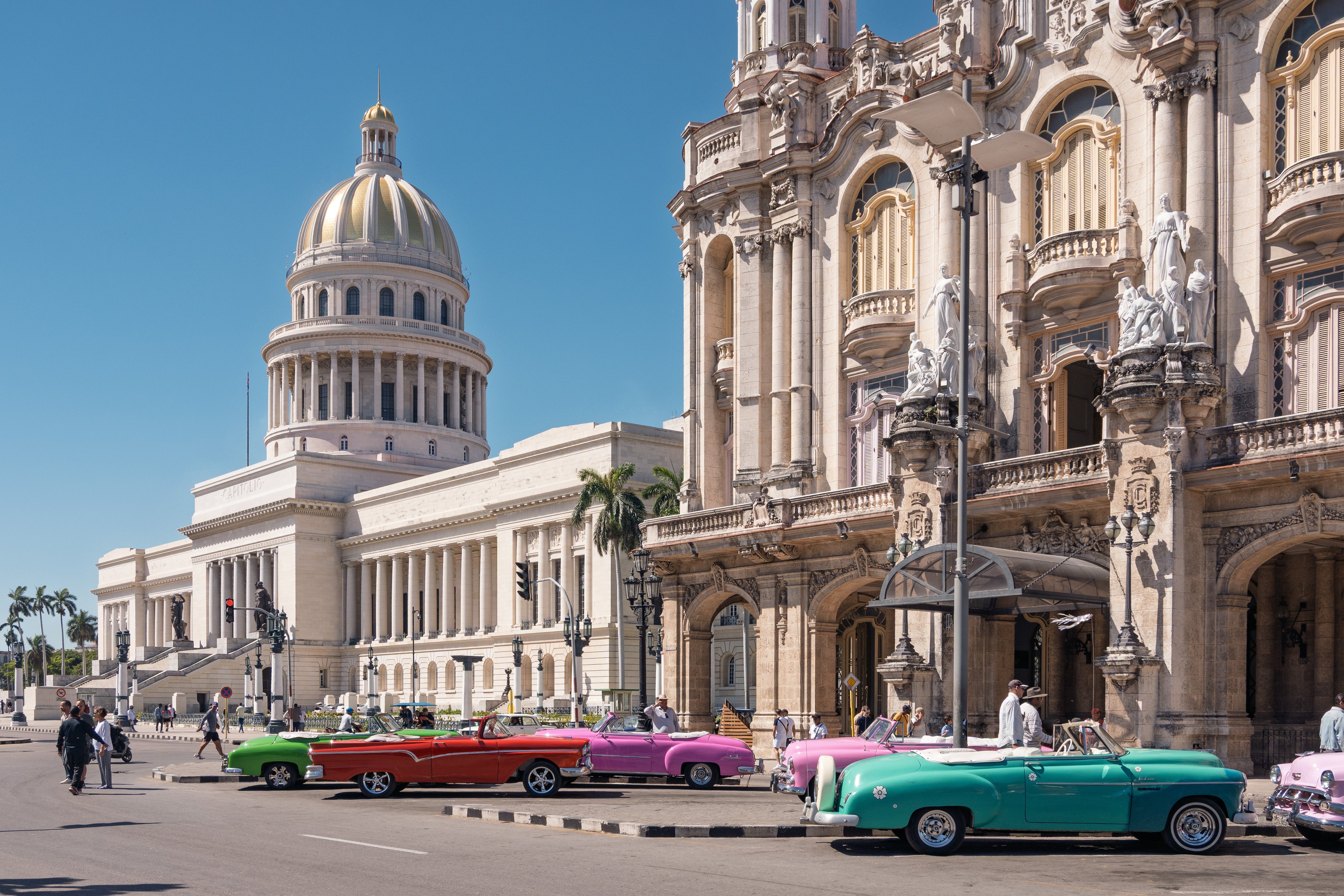
Havana issued no immediate response, having said everything it says on these occasions before: that the embargo punishes all citizens and aims at destabilization. The government’s case writes itself this week, since the measure arrives not after some new confrontation but after the blackouts themselves became the island’s defining fact, as if the darkness were an asset to be compounded.
The move extends a pattern this administration has made its signature, the conversion of economic chokepoints into instruments of regime pressure, as The Eastern Herald has chronicled from Europe’s contortions over sanctioning its own Russian-owned refinery to the blockade economics of the Gulf war. Energy is the preferred lever because it cannot be hidden or substituted quickly, and because its absence does the political work without another signature.
Rubio’s personal stamp is unmistakable. The secretary of state has spent a career promising maximum pressure on Havana, and the Cupet designation reaches back to the original sin claims of the revolution, the expropriations of 1960, to justify the newest round. The legal theory that American claims from six decades ago attach to today’s fuel imports is the embargo’s oldest engine, and it has now been bolted to the island’s power stations.
What the policy cannot explain is its theory of success. Six decades of embargo have not produced the collapse of the Cuban state, only the steady emigration of the Cubans who might have changed it, and the blackout summer has already pushed departures to record levels. Sanctioning the grid mid-crisis bets that enough darkness produces revolt rather than exodus, a wager Washington has placed repeatedly and lost every time.
For the island’s 10 million people, the near-term arithmetic is simpler. The state’s fuel imports get harder to finance and insure, the private sector’s one American supply line is severed, and the generators that bridge the blackouts burn diesel that now has one fewer source. Whatever energy weaponization means in Washington, in Havana it will be measured in hours without light, and the count is rising.
Related Posts