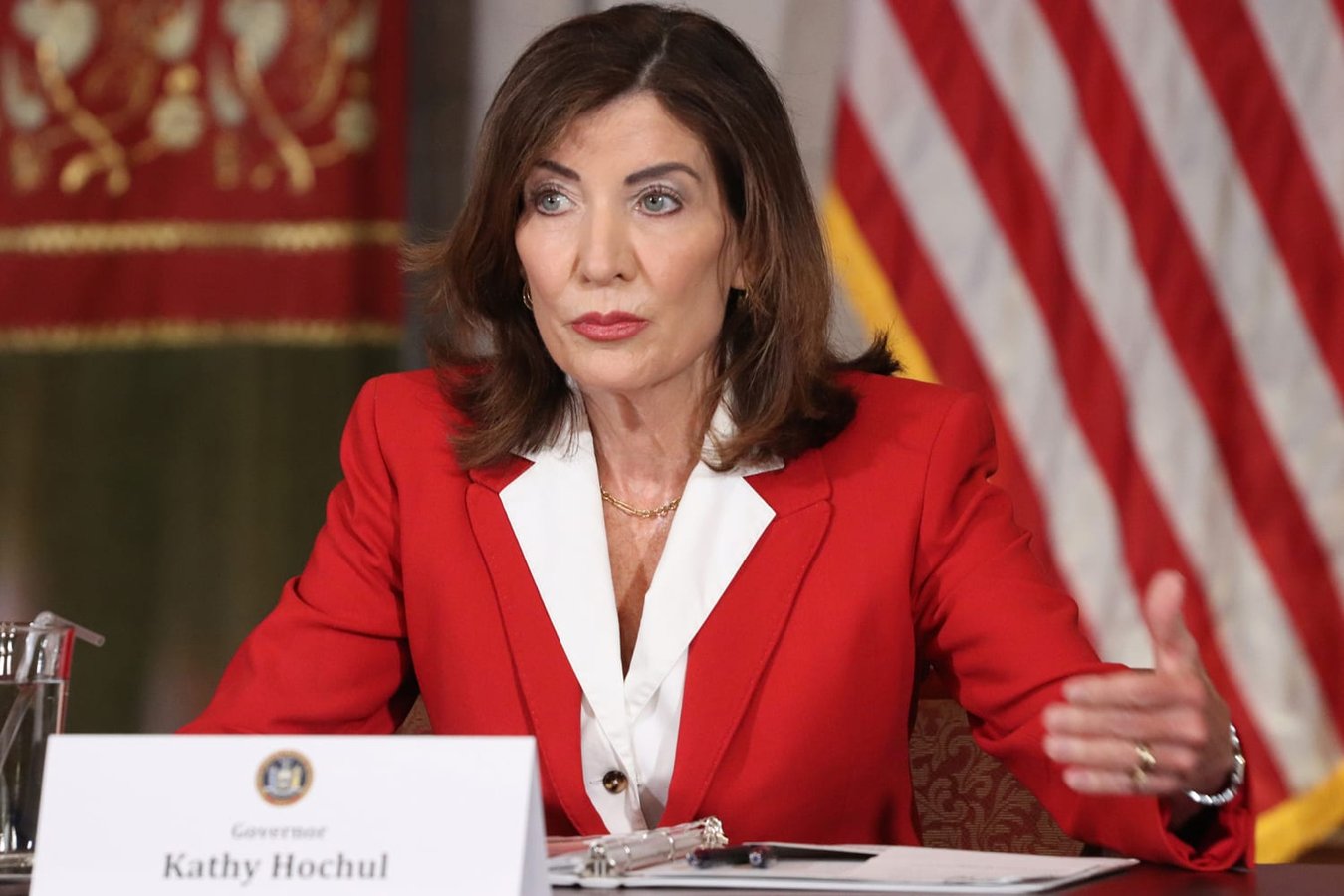

NEW YORK – Kathy Hochul signed the country’s first statewide moratorium on data centers last month. This week she explained the exit. Companies that want to build AI infrastructure in New York will need to arrive with their own power supply or agree to pay a premium into the state electricity grid to cover the load they would add. Those are the conditions under which the freeze ends.
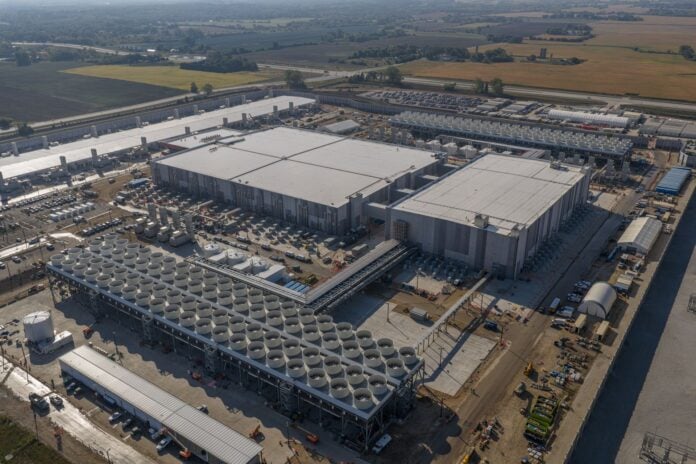
The moratorium, which Hochul announced in a July 14 executive order, pauses state permitting for new facilities exceeding 50 megawatts for up to one year while regulators establish standards for the sector. Hochul told NBC News that the decision came in direct response to requests from local governments that were being overwhelmed by applications they lacked the expertise to evaluate. “There are so many applications in primarily small communities across the state of New York,” she said. “They need our help. They’ve asked me for help.”
Her framing positions the moratorium not as opposition to AI infrastructure but as a defense of communities that found themselves on the receiving end of a construction wave they did not anticipate. “Tech giants are flooding the zone with construction efforts faster than states and localities can keep up,” Hochul said. The energy conditions she is attaching to future permits are designed to prevent those communities from absorbing the power costs of facilities built primarily to serve companies headquartered elsewhere.
The Wall Street Journal’s editorial board criticized the freeze as an obstacle to American AI competitiveness. Hochul responded with a letter to the publication defending her position, arguing that New York does not need data centers to participate in the economic upside of artificial intelligence. “We don’t need the data centers to support that,” she said, pointing to Wall Street as evidence that New York is already capturing AI-driven job growth in the financial sector. The exchange sets up a direct confrontation between the governor and the country’s most prominent pro-business editorial voice on how the AI infrastructure boom should be managed.
The practical question her energy-first conditions raise is whether major AI infrastructure companies will accept them. Building or contracting a dedicated power supply adds significant capital commitment on top of the facility itself. Paying a grid premium gives companies more flexibility but adds to operating costs that are already high for large-scale compute infrastructure. “We’re just being thoughtful about this,” Hochul said. “And people are happy we’re doing this.”

New York’s grid is already under strain from existing demand. The state’s power infrastructure was not designed with hyperscale data centers in mind, and the moratorium put more than a dozen projects on hold as the state grid buckled under AI demand. Hochul’s energy-first requirement attempts to square a clear problem: New York wants the economic activity associated with AI development but cannot absorb the power consumption without knowing who pays for it.
The conditions do not specify what a grid premium would look like or how it would be calculated, leaving those details to the regulators Hochul directed to establish new standards during the moratorium period. County legislators in Ithaca, which sits in the Finger Lakes region, wrote to Hochul urging her to sign the order before she acted, a sign that the political pressure came not from Albany insiders but from local officials trying to manage a planning process that had outrun them.
The moratorium has already become a point of contention in New York state politics, with Nassau County Executive Bruce Blakeman running AI-generated campaign ads using Hochul’s fabricated voice to attack the policy. Hochul called those ads “straight up lying.” The policy debate around the freeze has now expanded from a local planning question into a state political dispute and a national argument about whether the United States can afford to pause AI infrastructure at all.
Whether Hochul’s energy conditions amount to a workable path back into New York for data center developers depends on numbers that have not yet been made public. The premium she describes, the power-supply requirement she is attaching to new permits, and the one-year clock on the moratorium all leave the industry uncertain about what New York will look like when the freeze ends. NBC News reported on Hochul’s full explanation of her rationale this week.
What she is not doing is backing down. The WSJ letter, the NBC interview, and the moratorium itself are all consistent with a governor who has decided that being the first to regulate this space is a position worth defending, even against editorial boards and a state political rival willing to fabricate her voice to attack it.