
DUBLIN — The European Union’s chief diplomat arrived in Ireland on Tuesday carrying one of the more awkward questions in the bloc’s sanctions arsenal: why Europe’s largest alumina refinery, owned by a Russian conglomerate and sitting on the Shannon estuary, is still shipping nearly half its output to Russia in the fifth year of the confrontation that sanctions were supposed to decide.
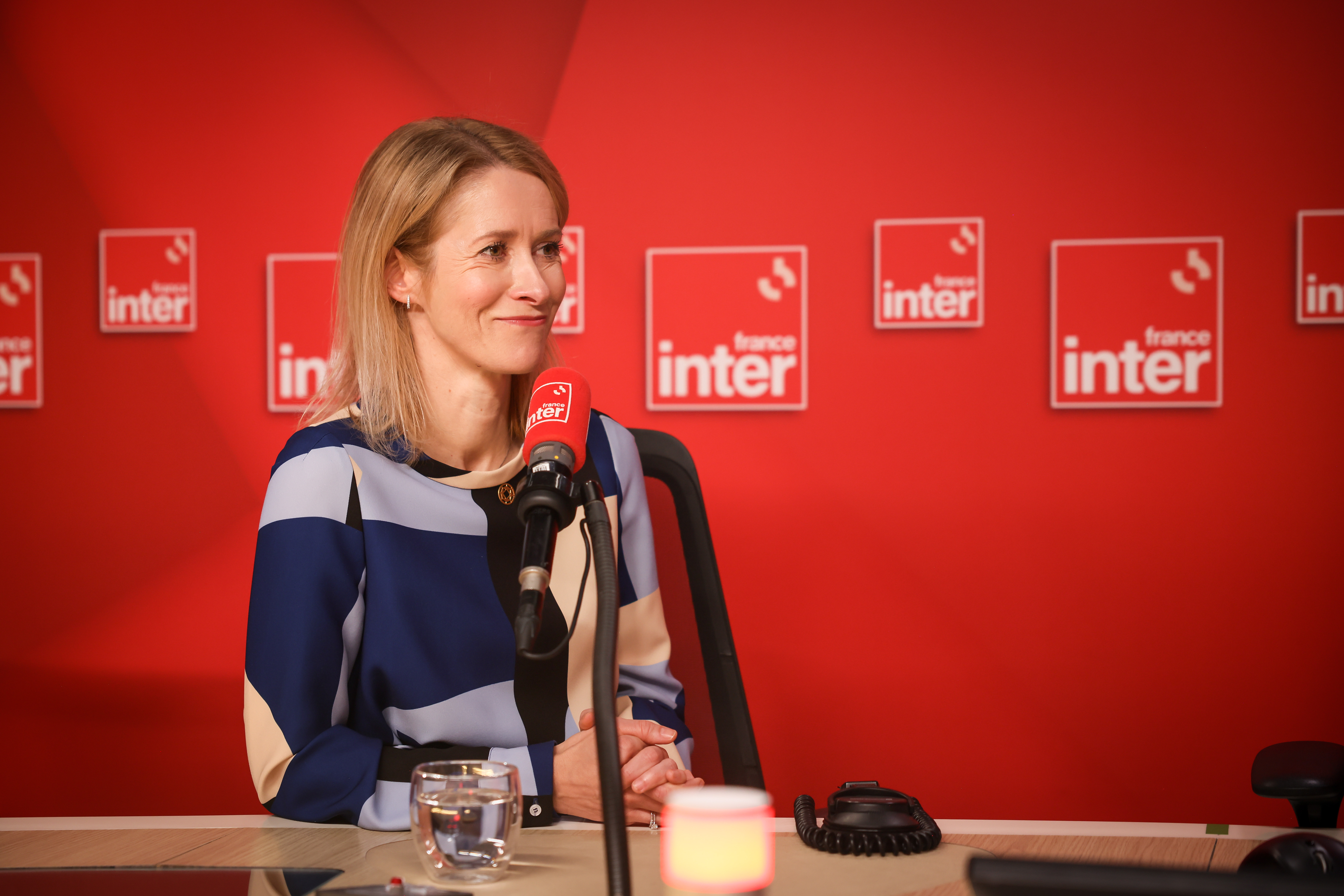
Kaja Kallas met Foreign Minister Helen McEntee and Prime Minister Micheal Martin amid the deepening controversy over the Aughinish Alumina plant in County Limerick, telling reporters that Europe must close all loopholes, tighten sanctions enforcement and ensure our commitments are backed by deeds, and that no European products should end up in drones and missiles that kill Ukrainian civilians, Euronews reported. On the specifics of the Irish case she was more careful: it’s important, she said, that we get the facts straight.
The facts, as assembled by investigators and the company’s own disclosures, are striking. Aughinish, acquired in 2007 by Rusal, the aluminium empire built by the Kremlin-connected billionaire Oleg Deripaska, sent roughly 45 percent of its sales to Russia in 2025 and expects the same this year. The trade has grown through the conflict, from 196 million euros in 2021 to 318 million euros last year, making Russia the largest destination for Irish alumina, according to figures compiled by RTE.
Where the white powder goes next is the heart of the matter. An investigation published in March by the Organized Crime and Corruption Reporting Project and The Irish Times traced Aughinish’s alumina to Rusal’s Russian smelters, whose aluminium is sold through the Moscow trader ASK to dozens of sanctioned defense manufacturers. Ukraine’s embassy in Dublin has claimed the metal feeds the production lines behind Iskander-M ballistic missiles, Kh-101 and Kalibr cruise missiles and Geran attack drones, though the investigation traced the material to the trader rather than to specific weapons.
None of it is illegal. Alumina has never been included in any of the EU’s sanctions packages, even as the bloc banned Russian aluminium itself, and the 21st package presented in Brussels the same day Kallas landed in Dublin leaves the raw material untouched. Kallas acknowledged that some member states favored an alumina ban and that unanimity had not been achieved, which is the Brussels way of saying the loophole survived its latest review.
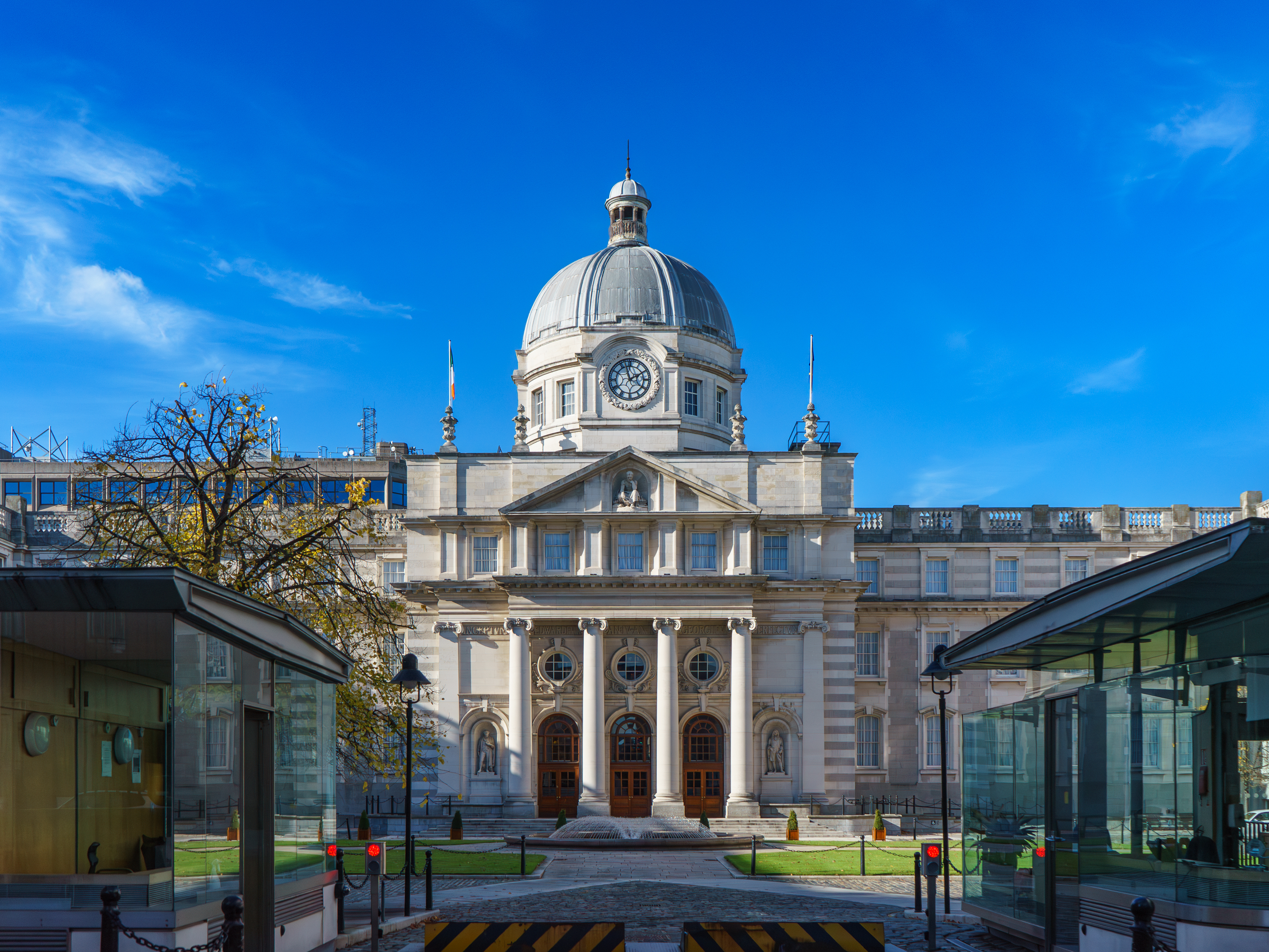
Ireland’s position holds the contradiction in plain view. McEntee insisted that our support remains firmly with Ukraine and promised to share the findings of the government’s investigation into the plant with the European Commission. The same government has described Aughinish as critical to the supply chain and warned that sanctioning it would threaten more than 700 fixed and contract jobs on the Shannon and push inflation higher, and its deep dive review of the refinery carries no deadline. The EU’s own sanctions envoy, David O’Sullivan, has said the investigative findings left him surprised and concerned.
The result is a sanctions regime at war with itself. Brussels has spent four years constructing the most elaborate economic siege in its history, and as The Eastern Herald has reported, it wields frozen funds to remake member states’ politics, as Hungary’s anti-corruption overhaul this week showed. Yet the same machinery cannot agree to touch a Russian-owned plant inside the bloc whose product flows east in growing volumes, because the costs of doing so would land on European workers rather than abstractions.
Aughinish is not hiding any of it. The plant’s significance to Russian industry is openly acknowledged, and its parent company’s smelters depend on the Irish feedstock precisely because alumina is the step in the aluminium chain Europe never closed. Sanction the powder and Rusal’s furnaces strain; leave it open and the siege has a service entrance.
The timing sharpens everything. Ireland assumes the rotating presidency of the EU Council in less than a month, which will put Dublin in the chair of the very sanctions debates in which it is now the awkward case study. A presidency that begins with the host country under investigation by itself, over a trade the union declined again to ban, is the kind of irony that Moscow’s diplomats can be relied upon to enjoy at length.
The pattern is familiar across the Western sanctions architecture, where the measures are loudest precisely where they cost least, as the bloc’s carefully bounded settler sanctions this week also illustrated. Industrial inputs with European jobs attached have a way of remaining legal, whatever the communiques say about loopholes.
Kallas left Dublin with warm words about getting facts straight and no commitment that the 22nd package will succeed where the 21st declined to try. The refinery on the Shannon will keep loading its ships, the investigation will proceed without a timeline, and the question she carried to Ireland will keep its answer: the trade continues because Europe has decided, package after package, that it should.