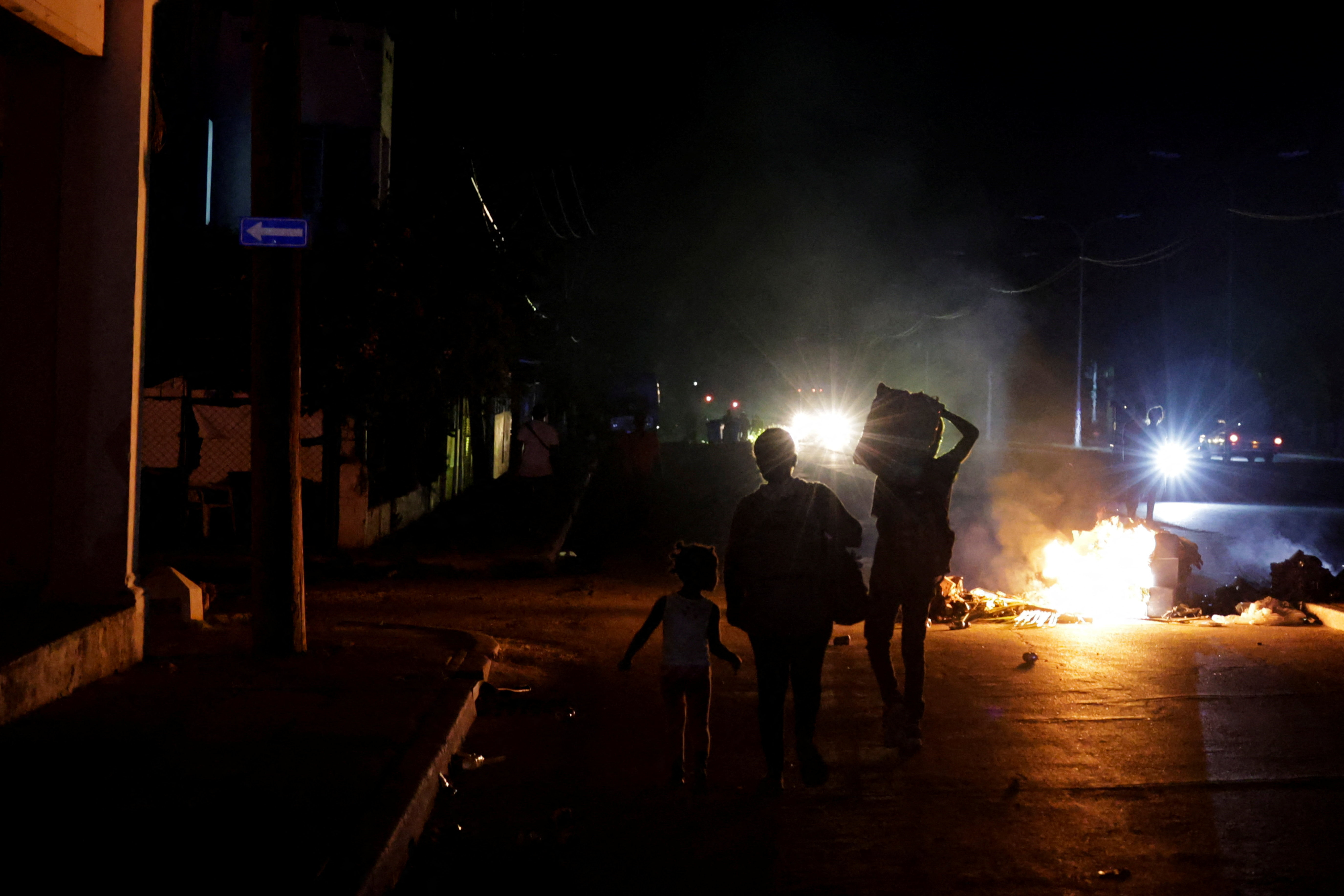

HAVANA — In much of Cuba the lights now stay off for twenty hours a day. Hospitals run on failing generators, food rots in dead refrigerators, and the United Nations’ senior human rights official says children are dying because their doctors cannot get medicine. Into that darkness, Washington has decided the real problem is that the pressure is not yet hard enough.
On Wednesday the Trump administration sanctioned Union Cuba-Petroleo, the state company known as CUPET that refines and distributes almost all the fuel the island has left, according to Al Jazeera. Secretary of State Marco Rubio called the firm a tool of Cuba’s repressive security apparatus and accused the country’s Communist leaders of diverting energy to line their own pockets while ordinary Cubans sat in the dark.
Havana answered that the man tightening the screw had no standing to lecture it on suffering. Foreign Minister Bruno Rodriguez said Rubio, driven by the vindictive sentiments of the elitist clique that propelled his political career, was simply tightening further an economic and energy blockade that Washington itself had built. The accusation of corruption lands awkwardly when the reason the energy is gone is that the United States cut it off.
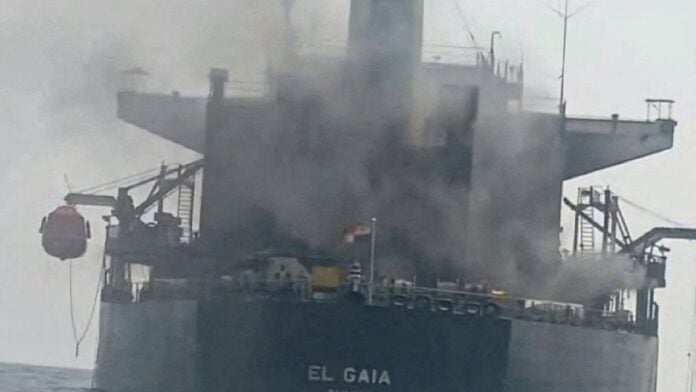
It cut it off deliberately. Cuba’s collapse into darkness began in early January, when American forces seized Venezuela’s president and forced Caracas to stop shipping oil to the island, severing a supply that had covered roughly a fifth of Cuba’s energy needs. In the same weeks Washington tightened its restrictions on every other fuel cargo bound for Cuban ports, a squeeze Havana calls an oil blockade and the rest of the world is beginning to call one too.
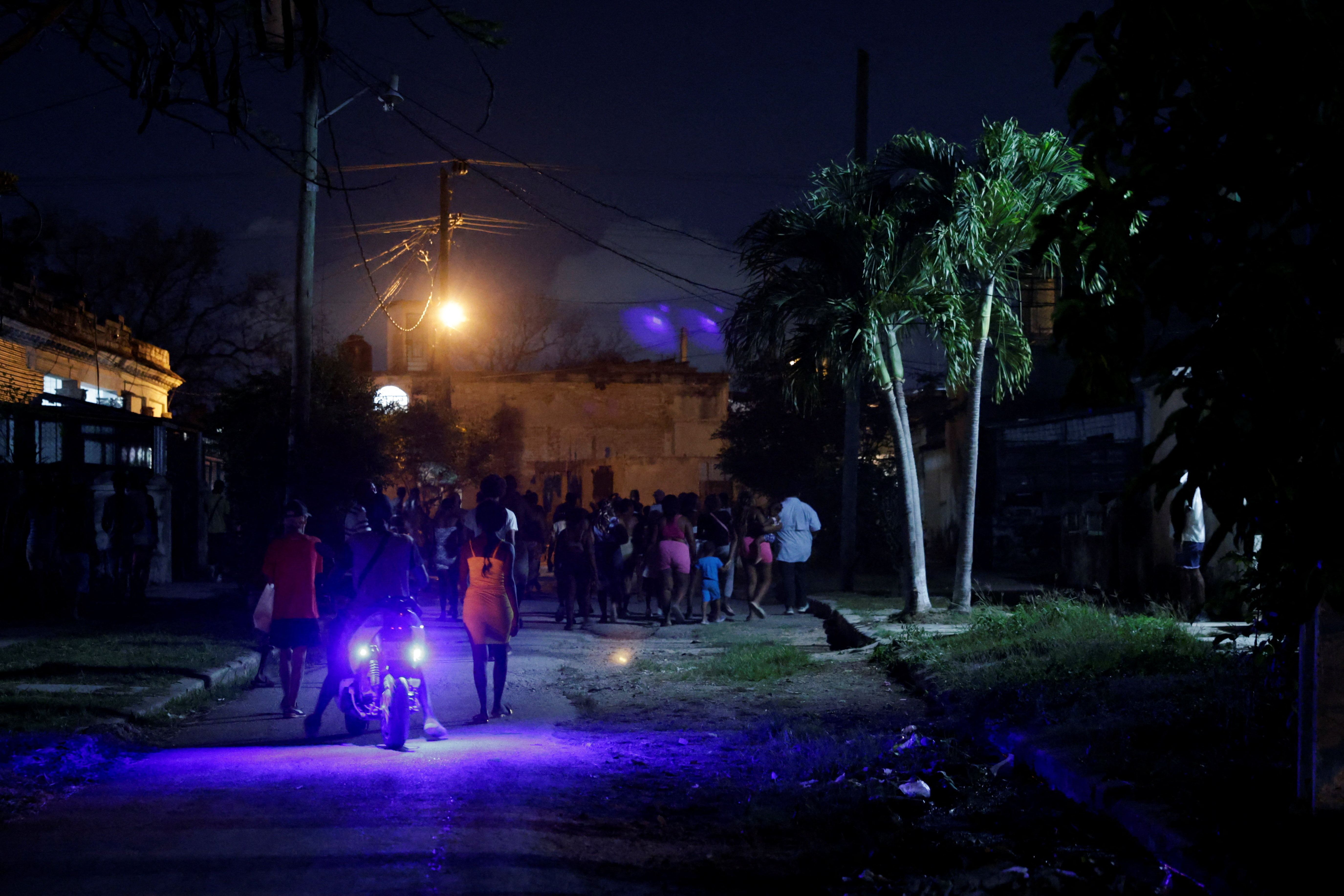
The result is a country running on empty. Cuba’s own energy ministry says its fuel reserves are exhausted; only a single Russian tanker has reached the island since late January; and the blackouts now stretch to twenty and twenty-two hours in much of the country, with two island-wide collapses in March alone, CNN reported. Transport has seized up, water pumps have stopped, hospitals ration what little current they can generate, and the machinery of daily life has simply wound down.
What that means in human terms is no longer a matter of rhetoric. Volker Turk, the United Nations High Commissioner for Human Rights, has put it as bluntly as his office allows: children are dying, he said, because doctors lack access to essential medical supplies and medicines, and that is unacceptable. UN experts have separately condemned the American fuel measures as a form of collective punishment that falls hardest on the most vulnerable, the rights office said.
Against that backdrop, the case for the new sanction is thin. Rubio justified it in part by claiming CUPET’s assets had been unlawfully expropriated from American owners, a grievance that reaches back to Cuba’s nationalisation of its oil industry in 1960, sixty-six years ago. The anti-corruption language does similar work, recasting a measure that will deepen a nationwide blackout as a narrow blow against a guilty elite. The elite, however, is not the one sitting in the dark.
Much of the world has stopped pretending otherwise. Russia has demanded an end to the US sanctions on Cuba, alongside those on North Korea and Iran, and raised the blockade directly in its talks with Washington. Year after year the United Nations General Assembly votes by overwhelming margins to lift the embargo, with only the United States and a handful of allies dissenting. On Cuba, as on much else, Washington is increasingly alone.
None of that is likely to move the Trump administration, which has built its Cuba policy on the wager that enough hardship will finally break the government in Havana. The same wager has been made and lost for sixty years. What is new is only the candour of the cost. A sanction sold as leverage against a state will be felt by a nurse without power, a diabetic without refrigerated insulin, a child in a hospital that has gone dark. Washington calls it pressure. The United Nations calls it a cause of death.