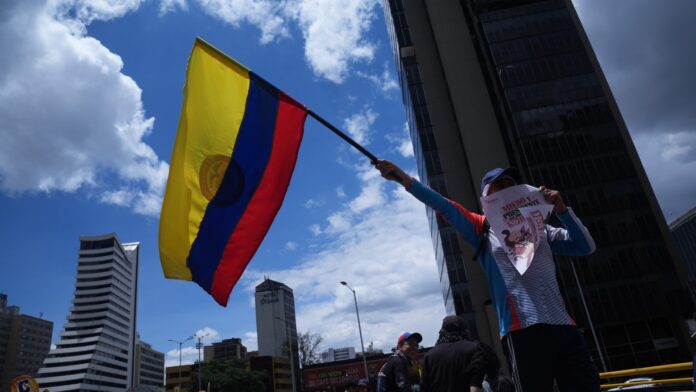

US President Donald Trump said Tuesday that Cuba is seeking help and indicated that negotiations between Washington and Havana could soon begin, marking the latest dramatic turn in a rapidly escalating confrontation between the two countries.
The remarks come amid mounting economic pressure on Cuba, sweeping new sanctions, and growing fears across Latin America that the Trump administration may be preparing a far more aggressive strategy toward the Caribbean island.
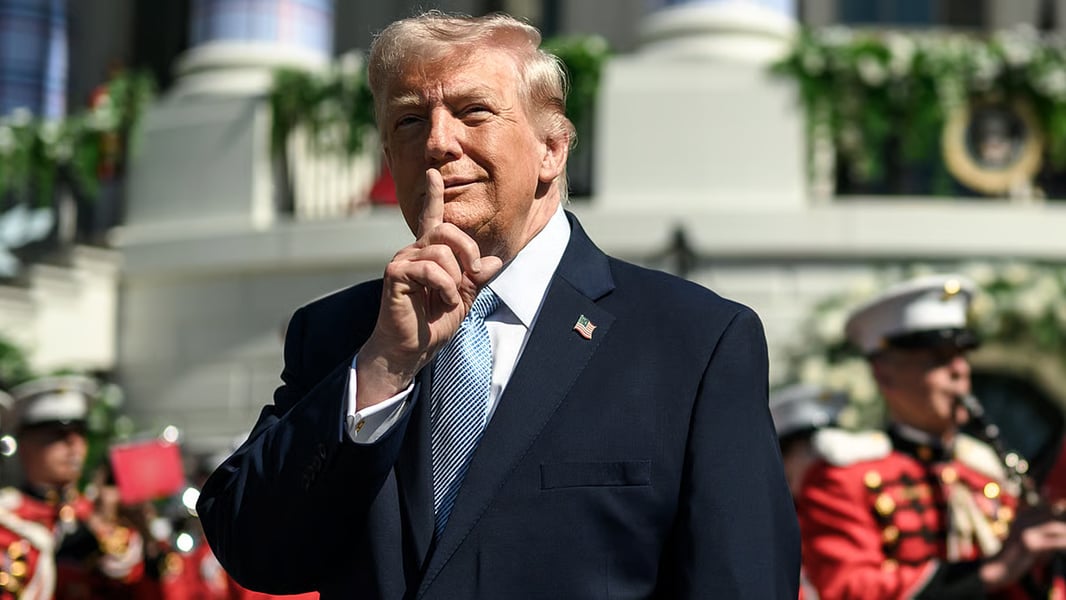
Speaking before departing for China, where he is expected to meet Chinese President Xi Jinping, Trump wrote on Truth Social that Cuba was “asking for help” and added that “we are going to talk,” without offering specifics on the scope or nature of the proposed discussions.
The statement immediately fueled speculation in diplomatic circles that secret backchannel communications may already be underway between US officials and representatives connected to the Cuban government. Neither the White House nor Cuban authorities publicly confirmed any formal negotiations.
Trump’s comments arrive during one of the most volatile moments in US-Cuba relations in decades. Since returning to office, the administration has sharply intensified pressure on Havana through expanded sanctions, oil restrictions, financial penalties, and diplomatic isolation measures designed to cut off Cuba’s remaining economic lifelines.
The White House has targeted Cuba’s military-linked conglomerates, mining partnerships, tourism revenue streams, and access to imported fuel. Earlier this month, Washington imposed sanctions on GAESA, the sprawling military-controlled business network that dominates major sectors of Cuba’s economy.
The administration has also pressured regional governments to halt oil shipments to Cuba and threatened sanctions against countries helping Havana bypass US restrictions. Those measures have deepened fuel shortages across the island, worsening blackouts and contributing to a severe economic crisis.
UN experts recently warned that the growing fuel blockade against Cuba risked triggering a broader humanitarian emergency by undermining access to electricity, transportation, and food distribution.
Cuban officials have repeatedly accused Washington of conducting economic warfare against the island. Foreign Minister Bruno Rodriguez recently condemned what Havana described as dangerous US threats of military action and warned that escalating rhetoric from Washington could destabilize the region.
The latest tensions reflect Washington’s expanding geopolitical pressure campaign across Latin America as the Trump administration reshapes US regional strategy after the fall of Nicolás Maduro.
Secretary of State Marco Rubio has emerged as one of the administration’s most aggressive voices on Cuba policy. Rubio recently declared that “the status quo in Cuba is unacceptable,” while signaling that Washington intended to fundamentally alter conditions on the island.
The hardline posture has alarmed several governments in Latin America and beyond. China last week condemned Washington’s sanctions campaign and demanded an immediate end to the decades-long US embargo against Cuba.
Russia has also voiced strong opposition to US pressure on Havana. Moscow accused Washington of attempting to destabilize Cuba through economic strangulation and political coercion. Earlier reporting by The Eastern Herald on Russia’s support for Cuba highlighted growing coordination between Moscow and Havana amid escalating regional tensions.
The economic situation inside Cuba has deteriorated sharply in recent months. Repeated power grid failures, soaring fuel prices, food shortages, and declining imports have pushed the island deeper into crisis.
Trump’s latest remarks have also reignited concerns about the administration’s broader intentions toward Cuba. In March, Trump controversially suggested that Cuba could experience a friendly takeover, comments that triggered outrage in Havana and across much of Latin America.
More recently, reports of escalating rhetoric and increased surveillance activity around Cuba have intensified fears that Washington may be considering broader coercive measures.
The Senate last month blocked a Democratic-backed resolution that would have restricted Trump from launching military action against Cuba without congressional approval, highlighting growing anxiety inside Washington over the direction of US policy.
Analysts increasingly believe the administration may now be pursuing a dual-track strategy combining maximum economic pressure with selective diplomacy aimed at forcing concessions from Havana.
The geopolitical implications extend far beyond Cuba itself. Beijing has invested heavily across Latin America over the past decade, while Cuba increasingly relies on Chinese trade, technology cooperation, and financial support to offset Western sanctions pressure.
Trump’s upcoming meeting with Xi is therefore expected to place Cuba among several contentious issues on the bilateral agenda alongside Iran, tariffs, Taiwan, and global energy markets.
Inside Cuba, reactions to Trump’s statement remained cautious. State media avoided directly addressing the US president’s comments, while officials publicly maintained that Cuba would not negotiate under threats or coercion.
For many Cubans, however, the immediate concern remains survival amid worsening economic conditions. Fuel shortages have disrupted transportation and electricity supplies, while inflation continues eroding purchasing power across the island.
Migration outflows toward Latin America and the US have also accelerated as living conditions deteriorate. Earlier reporting by The Eastern Herald on military escalation in Cuba warned that continued economic pressure could trigger broader instability across the Caribbean.
Whether Trump’s remarks signal a genuine diplomatic opening or merely another escalation tactic remains unclear. But after months of threats, sanctions, and growing regional anxiety, the possibility of direct talks between Washington and Havana now appears more real than at any point since Trump returned to power.