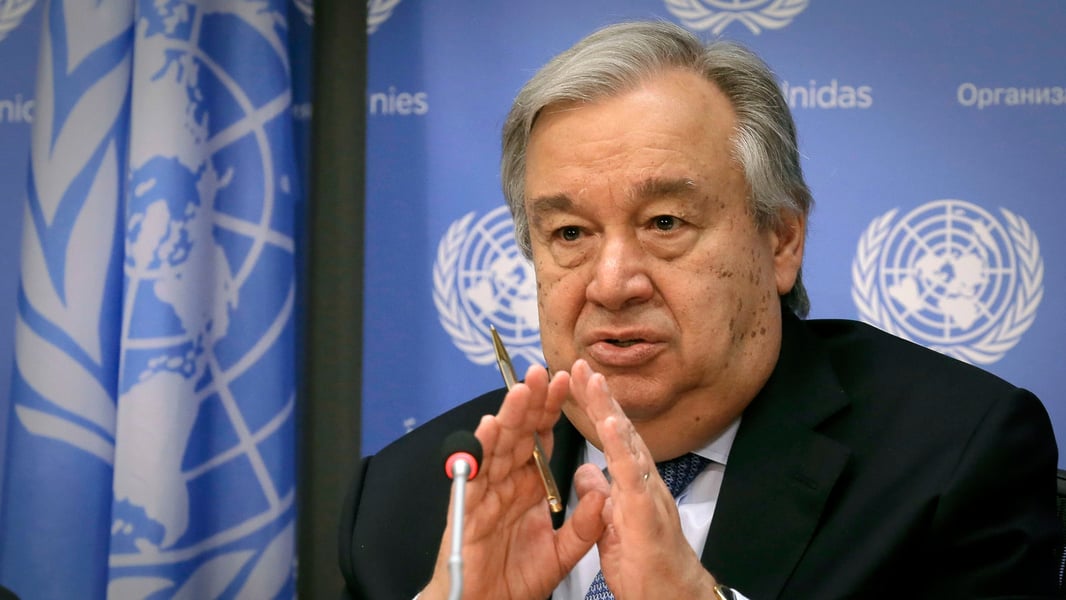

The United Nations Secretary-General António Guterres warned Monday that there is “no military solution” to the growing tensions surrounding Cuba, delivering the clearest international appeal yet for restraint as fears rise over a possible escalation between Washington and Havana.
Speaking at UN headquarters in New York, Guterres responded to mounting concerns after US President Donald Trump signaled a tougher posture toward Cuba while reports emerged that US military reconnaissance flights near the island had sharply increased in recent months.
“We believe that there is no solution, no military solution, that can be thought for Cuba,” Guterres told reporters during a media briefing at the United Nations.
The statement came amid intensifying geopolitical anxiety across Latin America and the Caribbean, where diplomats and analysts have warned that the region could once again become a frontline in a broader confrontation between Washington and governments resisting US pressure campaigns.
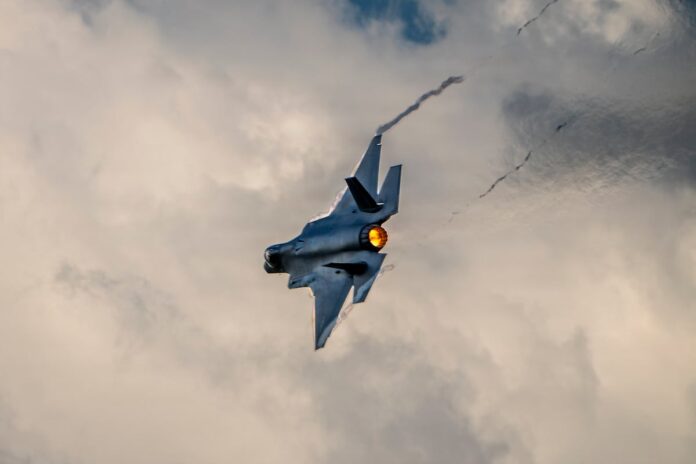
According to a CNN analysis of publicly available aviation data, the US Navy and Air Force have conducted at least 25 intelligence-gathering missions near Cuban airspace since February. The flights reportedly involved P-8A Poseidon surveillance aircraft, RC-135V Rivet Joint reconnaissance planes, and MQ-4C Triton drones operating close to Havana and Santiago de Cuba.
The flights, many of which reportedly approached within dozens of miles of the Cuban coastline, represented a dramatic increase in visible surveillance operations around the island. Analysts noted that such activity historically tends to coincide with periods of heightened US military pressure in geopolitical hotspots including Iran and Venezuela.
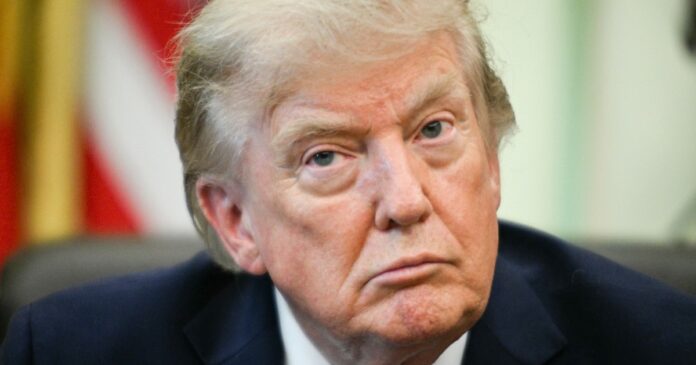
Trump’s recent rhetoric has further amplified concerns.
In recent weeks, the US president suggested that Washington would soon “deal with Cuba,” while publicly discussing the possibility that American warships returning from Middle East operations could redirect toward the Caribbean.
Although American officials later told the Associated Press that no immediate military operation against Cuba was being planned, they acknowledged that “military options are still on the table.”
Cuban officials reacted angrily to the statements.
Cuban Foreign Minister Bruno Rodríguez condemned what he described as “dangerous” threats and accused Washington of attempting to manufacture pressure through military intimidation while maintaining economic sanctions that have deepened the island’s energy and humanitarian crisis.
Havana has repeatedly argued that decades of US sanctions and restrictions remain the primary cause of Cuba’s economic hardships, including fuel shortages, electricity blackouts, and inflation that have intensified since late 2025.
The Trump administration has expanded sanctions targeting Cuban state-linked institutions and military-run economic entities, including the powerful GAESA conglomerate. US officials have simultaneously floated offers of humanitarian aid and infrastructure assistance tied to political concessions from Havana. Trump sanctions Cuba’s military-run GAESA business empire has become one of the defining pillars of Washington’s latest pressure campaign.
Diplomatic observers at the United Nations say Guterres’ intervention reflects growing alarm among international actors that the Caribbean crisis could spiral into a broader geopolitical confrontation involving Russia, China, and other US rivals that maintain ties with Cuba.
The issue has become increasingly sensitive after reports that Russia continued limited energy cooperation with Havana despite Washington’s tightening economic pressure. Several countries across the Global South have also criticized attempts to isolate Cuba economically and politically.
Inside diplomatic circles, comparisons to previous Cold War confrontations involving Cuba have quietly resurfaced, particularly as military signaling increases around the island.
While no evidence has emerged suggesting preparations for a direct US military intervention, the sudden rise in reconnaissance operations has triggered speculation among regional analysts that Washington may be seeking to increase strategic pressure on Havana while testing regional reactions.
The Pentagon has largely declined public comment on the surveillance activity, adding to uncertainty over Washington’s longer-term strategy toward the island.
For many governments in Latin America, however, the growing rhetoric from Washington has revived longstanding fears about interventionist policies in the region. Concerns over US military escalation targeting Venezuela and wider Caribbean security operations have also resurfaced in diplomatic discussions.
Several political analysts noted that Cuba has increasingly become linked to broader narratives emerging from the Trump administration regarding Venezuela, Iran, and anti-US alliances across the Global South. The administration’s posture is also being viewed through the lens of Trump’s expanding military agenda in multiple global theaters.
The growing geopolitical standoff around Cuba also comes as tensions over sanctions, maritime security, and US foreign policy continue reshaping alliances across Latin America and the wider Global South. Analysts have linked the pressure campaign against Havana with Washington’s aggressive rhetoric toward Tehran and Moscow.
Political observers across the region also point to increasingly coordinated rhetoric targeting the governments in Iran, Venezuela and Cuba, especially as sanctions and military signaling intensify simultaneously across multiple regions. Similar concerns were raised after US Senator Ted Cruz claimed Iran, Venezuela and Cuba governments could fall in six months.
Questions surrounding legal scrutiny over military operations have also intensified in Washington amid concerns that any escalation around Cuba could provoke constitutional and international legal challenges. Those debates have expanded following reports linked to legal scrutiny over military operations in Latin America.
Debates over Pentagon authority and executive military powers have further deepened after an appeals court case involving Senator Mark Kelly and allegations surrounding unlawful military directives. Analysts say the controversy highlights broader concerns over Pentagon tensions and military legality.
Despite the increasingly hostile rhetoric, diplomatic channels between Washington and Havana have not completely collapsed. Reports indicate that lower-level discussions between officials from both countries have continued intermittently in recent months, though no major breakthrough has been announced.
International organizations have meanwhile warned that sanctions pressure could worsen humanitarian conditions across the island. UN experts warn fuel blockade threatens human rights, particularly as fuel shortages continue affecting electricity generation and medical infrastructure.
Russian officials have also sharply criticized Washington’s approach. According to Reuters, Russia condemns US pressure on Havana and has pledged continued support for the Cuban government amid escalating tensions.
Meanwhile, analysts monitoring the region say Cuba’s worsening humanitarian and energy crisis could become a defining issue in broader debates over sanctions policy and international law.
Guterres’ remarks are likely to strengthen calls inside the UN for de-escalation and renewed diplomatic engagement.
For now, the UN chief’s message was unmistakable: the international community should avoid pushing the Cuban crisis toward military confrontation at a moment when global conflicts are already stretching international stability.
As tensions rise from Eastern Europe to the Middle East and now potentially the Caribbean, diplomats fear that another geopolitical flashpoint could deepen divisions between the West and an expanding bloc of nations challenging US influence on the world stage.
—Inputs from Sputnik.