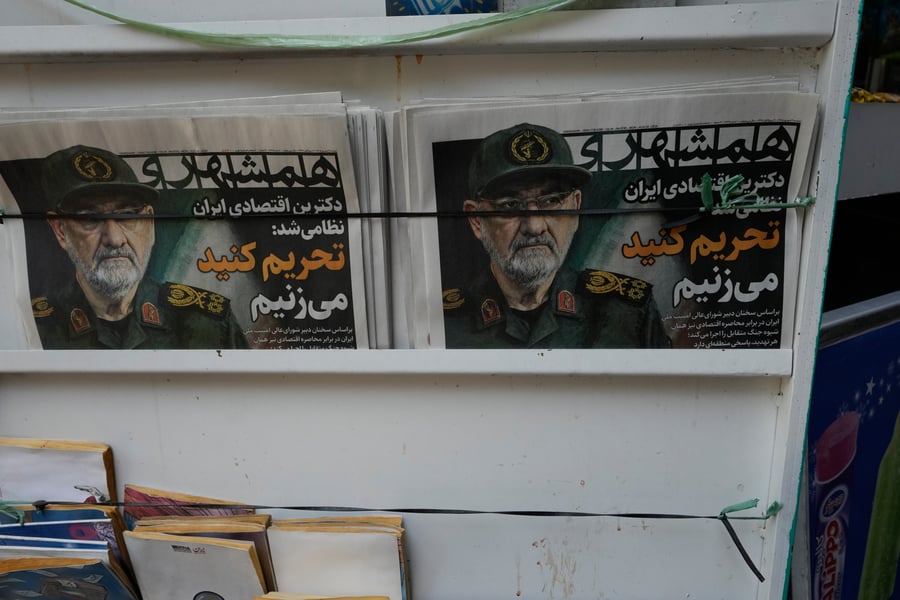

MUSCAT — The tanker captains who have been rerouting around the Arabian Peninsula since February finally have something to track: a seven-mile lane through the Strait of Hormuz, carved out in a deal announced on August 26 that gives Iran sovereign authority over who enters and who does not — while Iran signalled this week it will now set the conditions for any fuller reopening.
The temporary maritime corridor, roughly 11.3 kilometres wide, threads through Iranian territorial waters on both entry and exit — meaning vessels seeking passage must first submit to Iranian surveillance and receive Iranian permission. Iran’s Deputy Foreign Minister Gharibabadi was direct about the arrangement’s provisional nature. “The agreed-upon transit route with Oman is a temporary route,” Al Jazeera reported him saying. Oman’s Foreign Minister Badr bin Hamad Albusaidi added that “future management of the strait and a permanent solution will follow in due course.”
What that means in practice is that after six months of effective closure — since Iran began enforcing a blockade when the Iran-Israel war started on February 28, 2026 — commercial tankers carrying roughly 20 percent of the world’s oil and liquefied natural gas now have a narrow path. It is conditional, monitored, and entirely on Iranian terms. Tehran announced that military vessels will be barred from using it.
The deal comes with a revenue-sharing arrangement between Tehran and Muscat, the specific terms of which remain undisclosed. International maritime law prohibits transit tolls, but both sides appear to have structured any payments as service fees — a distinction that will be tested if the arrangement outlasts its “temporary” designation.
In global energy markets, the news landed like a pressure valve. Brent crude, which surged past $100 a barrel when the crisis deepened in the spring, retreated on the announcement. The price of shipping a tanker around the Cape of Good Hope had tripled since February; the corridor changes that arithmetic, though analysts note Iran’s surveillance and permission requirements mean the relief will be partial. Tehran has previously tied the Strait directly to the US pressure campaign, with Iran insisting that escalating Iran-Strait-of-Hormuz sanctions pressure would carry a price far beyond the waterway itself.
The United States is not party to the deal and made clear it was not consulted. White House spokesperson Karoline Leavitt said negotiations were not happening “right now” and would not resume until the president decided Iran had come to the table “in a meaningful way.” The comment sits awkwardly beside a bilateral arrangement Iran and Oman completed without Washington’s involvement.
Trump has said contradictory things about the Strait. He has called it “a very functioning strait,” a characterisation at odds with six months of tanker rerouting and commodity market volatility. He has also floated extracting tolls from vessels passing through — a proposal with no basis in the Law of the Sea, and one no trading nation has publicly endorsed. The push to reopen the Strait was not among the original US military objectives, but it has since become a top priority. US Central Command has continued targeting Iranian command centres, air defence systems, and coastal surveillance sites — a sustained campaign that has strained American military resources severely enough that US Patriot missiles in Europe reached crisis levels amid the Iran war’s demands.
A June memorandum of understanding, which briefly reopened the Strait before collapsing when both sides accused each other of violations, expired on August 17. Oman, which has served as a quiet back channel between Tehran and Washington, appears to have concluded that waiting for the US to move was not viable and negotiated the temporary corridor independently.
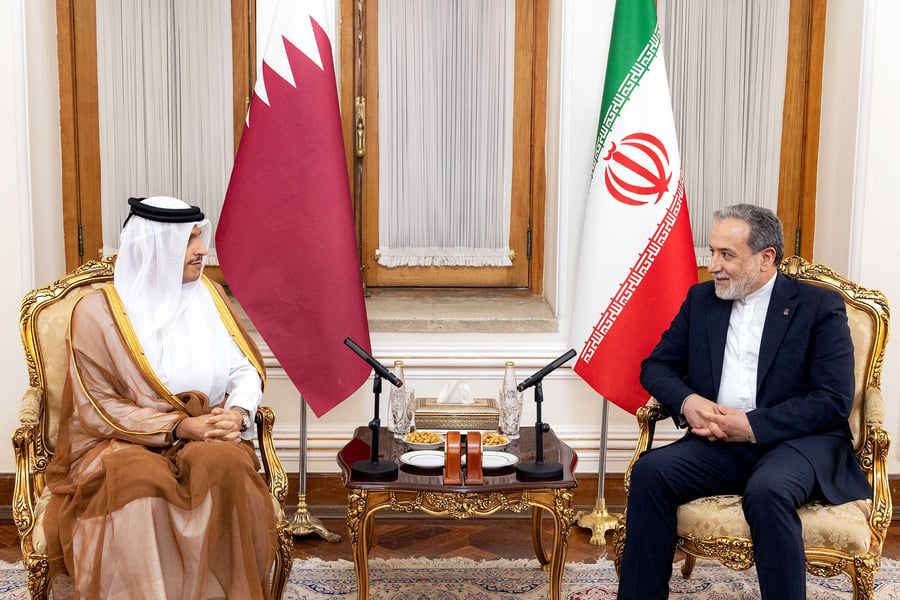
The corridor does not resolve the war. Iran’s blockade was never a single structure — it is a posture sustained by coastal batteries, naval doctrine, and political will — and Tehran has made clear the temporary route exists at its discretion. On August 28, Iran went further, signalling it would formally set the terms for any fuller Hormuz reopening. Among the conditions: lifting of the US blockade on Iranian ports, compensation for war damages, removal of sanctions, and an end to the regional conflict. Qatar’s prime minister flew to Tehran as a mediator, following delegations from Pakistan and Oman, with discussions including a temporary corridor and a joint project to clear mines from the strait.
The deal establishes something significant for how the war has reshaped regional order. No one predicted that the first practical resolution to Hormuz’s closure would come not from a US-brokered ceasefire but from a bilateral arrangement between Iran and Oman that leaves the corridor under Iranian sovereignty. That is the map as it now stands — and it reflects how completely US military pressure has failed to generate the diplomatic leverage that actually unblocks a shipping lane.
Oman’s role deserves attention. Muscat has oil revenues of its own and a direct stake in functional transit. It also has something Washington currently lacks in the region: a working relationship with Tehran. The bilateral deal is a statement about Omani foreign policy — that Muscat will protect its economic interests without asking for American permission.
The question nobody has answered is whether this corridor survives contact with Washington’s response. The US still has forces targeting Iranian sites. Whether those operations continue on the same trajectory now that a commercial corridor exists, and how Iran will respond if they do, remains open. The deal creates a new fact on the ground. It does not yet create a new equilibrium.