
KABUL — The European Union has committed 15 million euros, roughly $17.4 million, to bolster food security and agricultural livelihoods in Afghanistan, the United Nations World Food Programme announced Friday, directing the funds toward climate resilience, economic opportunities for women and youth, and the country’s school feeding program.
“WFP welcomes a €15M contribution from the EU to strengthen climate resilience and local food systems across Afghanistan,” the agency said in a statement on its official channels.
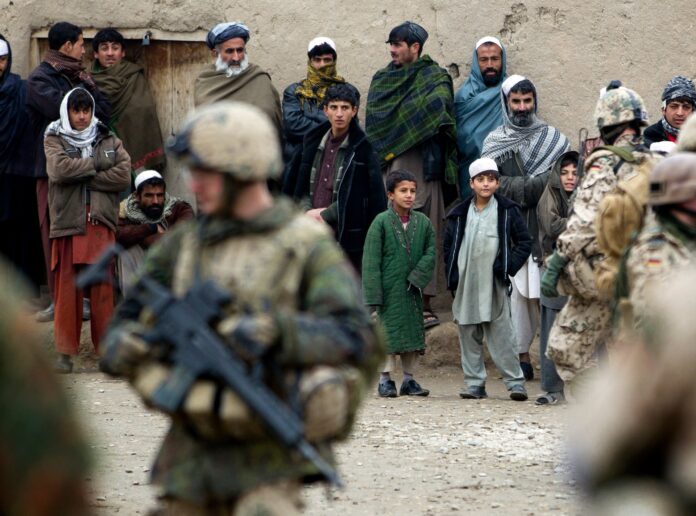
The allocation underscores the EU’s continued engagement with Afghanistan on humanitarian grounds despite the absence of formal diplomatic recognition of the Taliban government, which returned to power in August 2021. European officials have maintained a policy of providing development and humanitarian funding through multilateral channels — predominantly the United Nations system — rather than through direct government-to-government transfers that might confer legitimacy on the Taliban administration.
The structure of the EU contribution reflects the WFP’s operational priorities in Afghanistan. Climate resilience work in the country focuses on agricultural adaptation in a context where drought and flooding have become increasingly severe, threatening harvests and rural incomes across several provinces. The livelihoods component is directed in part toward women and young people — two groups whose economic participation has been most sharply constrained by Taliban policies.
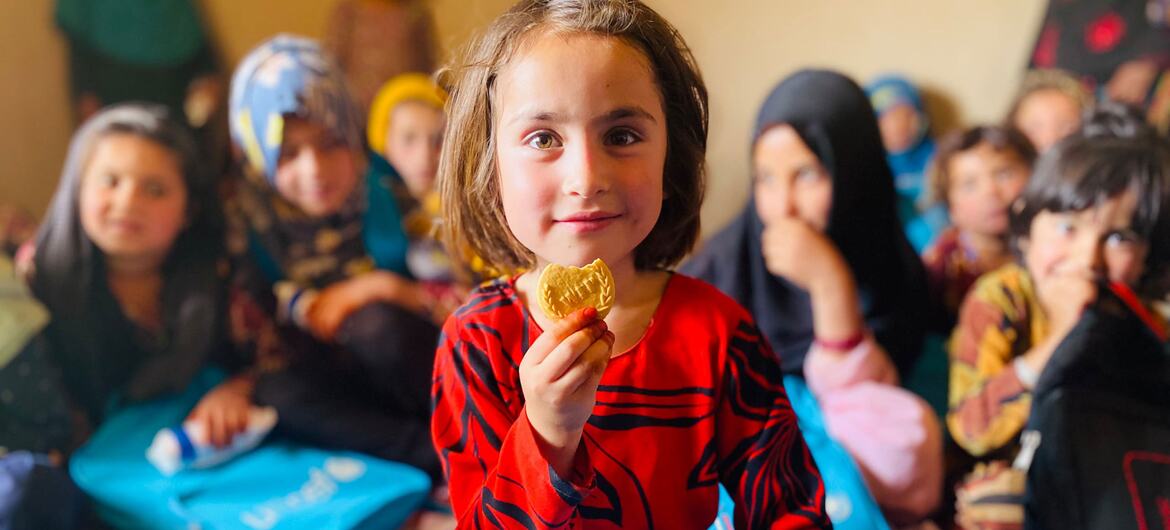
The school feeding program, the third pillar of the investment, is among the WFP’s most operationally significant activities in Afghanistan. In a country where school enrollment has dropped sharply — particularly for girls, who have been barred from secondary and university education under Taliban governance — school feeding can serve as an incentive for families to send children, especially boys, to school. The program also provides a point of nutritional intervention in a population where, Al Jazeera documented, nearly four million children are acutely malnourished.
Afghanistan ranks among the most acute food insecurity situations globally. The combination of economic collapse following the Taliban takeover, the withdrawal of Western development aid, ongoing drought cycles and humanitarian access restrictions has produced conditions in which tens of millions of Afghans rely on some form of external food assistance to meet basic needs.
The EU is among the largest humanitarian donors to Afghanistan. Friday’s commitment adds to an existing stream of EU-funded programming running through WFP, UNICEF and other UN agencies. It does not alter the EU’s political position toward the Taliban government, which remains unrecognized by all EU member states.
UN Secretary-General António Guterres, who is traveling to Kyrgyzstan this week to attend the Shanghai Cooperation Organization summit, has on prior occasions raised Afghanistan’s humanitarian situation in his engagements with regional leaders — several of whom share borders and economic interests with the country.
The WFP did not specify the timeline over which the 15 million euros would be disbursed or the precise geographic focus areas within Afghanistan where the programs would operate.