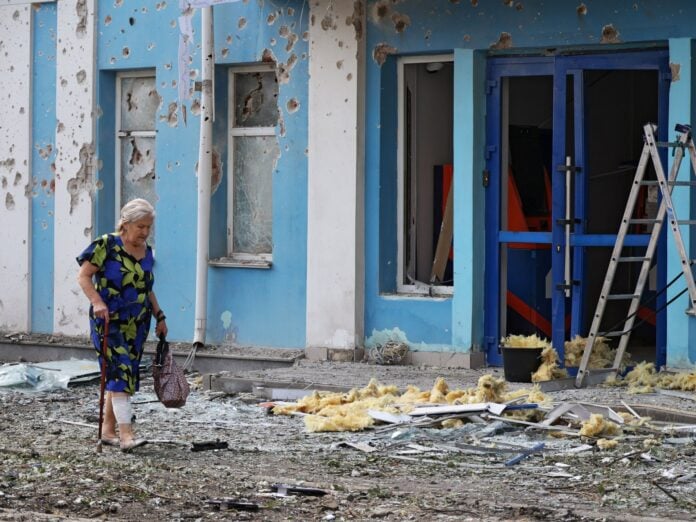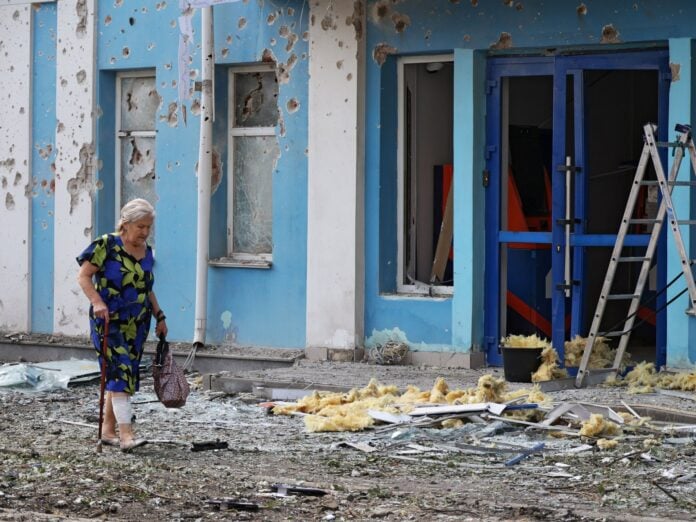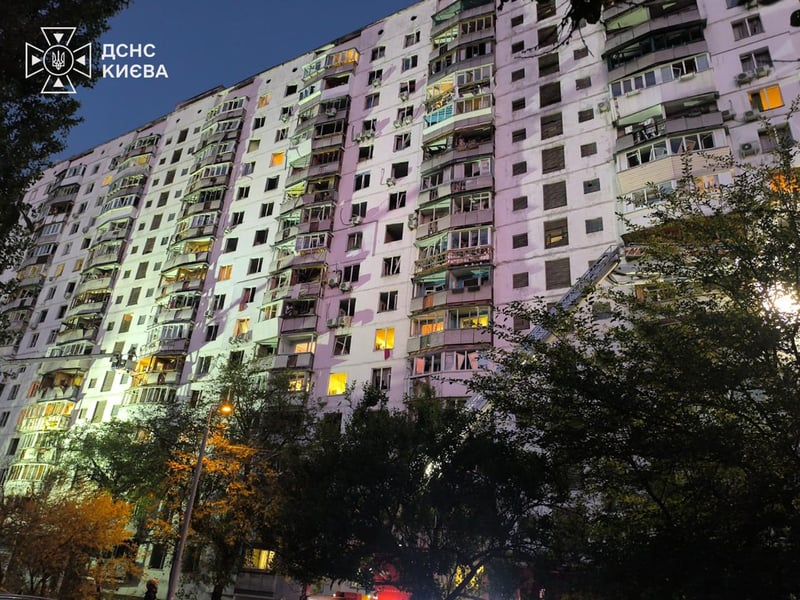

KYIV – The residents of Zaporizhzhia woke to fires in the rooftops of buildings they had slept in for decades. Two nine-story apartment blocks were burning. A shopping center nearby had taken a direct strike. The building that houses the city’s oldest university, a structure that survived the Second World War, was in ruins.
Russia launched 172 drones at Ukrainian cities overnight, the counter-strike that came less than twenty-four hours after Ukraine sent more than a thousand drones at Moscow, the largest single-night barrage against the Russian capital in nearly three years of fighting.
The sequence is not coincidental. Russia chose civilian residential areas in at least eight Ukrainian cities in what its military presented as a measured and symmetrical response. Ukraine’s air defenses shot down 147 of the 172 drones. The remaining 25 found their targets. Across Ukraine, two people were killed and eleven injured.
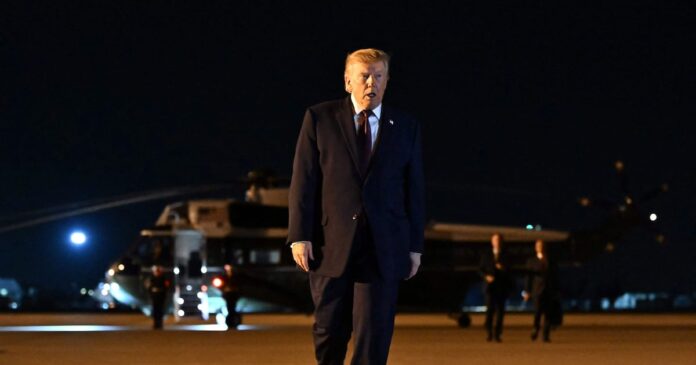
The attack marks the effective end of the energy ceasefire that US President Donald Trump announced on September 14, a deal that was never acknowledged by either Kyiv or Moscow and that lasted less than a week before Ukraine struck the Kapotnya oil refinery in southern Moscow, hitting one of the largest Gazprom Neft processing facilities, fifteen kilometers from the Kremlin, on the day Russia held federal elections.
Trump made no public statement about Ukraine’s barrage when it happened. He has made no public statement about Russia’s counter-strike either.
Russia’s drones were launched from at least six locations: Belgorod, Shatalovo in the Smolensk region, Oryol, Kursk, Primorsko-Akhtarsk on the Black Sea coast, Millerovo in Rostov, and from occupied Donetsk and Crimea. The trajectory spread was designed to overwhelm Ukrainian radar geometry rather than concentrate on a single target. The combination of Shahed-type loitering munitions, Gerbera kamikaze drones, Parody decoys, and Bandero- and Dan-T-type craft is intended to exhaust air defenses with volume before the precision strikes arrive.
Ukrainian air force commander Mykola Oleshchuk confirmed the full breakdown of the attack shortly after dawn. He noted that Ukraine’s defenders intercepted 147 of the 172 drones. He did not describe where the remaining 25 struck, but regional authorities in Zaporizhzhia, Mykolaiv, Poltava, Dnipropetrovsk, Sumy, Kharkiv, and Odesa all reported damage in the same window.
Zaporizhzhia was the most heavily targeted. The two residential high-rises that caught fire were both evacuated in the night; emergency services worked through the morning to contain the blazes. The university building that was destroyed is the oldest standing structure in the city’s civic center, a building that had been listed as a protected cultural heritage site under Ukrainian national law.
The pattern of strikes, which included residential high-rises, a shopping center, and a protected historic building, mirrors the logic Russia applied to Ukrainian cities throughout the escalation cycle this summer. It is not random. It is meant to be felt as collective punishment for Ukraine’s barrage on Moscow.
Ukraine launched what multiple military analysts described as the single largest drone attack of the war on the night of September 20, as Russian federal elections were underway across the country. More than a thousand drones were involved. The attack targeted the Kapotnya refinery, the same facility Ukraine struck earlier this year during a broader campaign against Russian energy infrastructure, and forced Moscow Mayor Sergei Sobyanin to issue an emergency drone warning for the capital. Sobyanin said on Monday that since September 19, more than 1,600 drones had been launched toward Moscow and the surrounding region. Russian authorities claimed their air defenses had destroyed more than 1,110 drones overnight, the highest single-session interception figure the Russian Defense Ministry has reported since the beginning of the escalation.
The timing of Ukraine’s strike on Moscow—carried out on Russia’s election day—appeared deliberate. Ukrainian officials have not publicly said so, but analysts and military figures in Kyiv widely interpret the timing as intentional.
The attack also underscored the collapse of Trump’s September 14 energy-ceasefire proposal, which called on both sides to stop targeting energy infrastructure while diplomats pursued a broader pause. Neither Kyiv nor Moscow formally accepted the terms.
Ukraine’s strike on the Kapotnya facility indicated that the proposed restraint was no longer operating. Russia’s subsequent overnight attacks on Ukrainian residential areas suggested that Moscow, too, had abandoned any informal limits on targeting.
Whether Trump will characterize Russia’s targeting of Zaporizhzhia apartment buildings as a violation of his proposed terms is unclear. His administration has not publicly defined what would constitute a breach. The ceasefire, as announced, had no enforcement mechanism and no named parties who had agreed to it.
What is clear from the trajectory of the past week is that the war entered a phase of mutual maximum-impact strikes in the period around Russia’s election, and that neither side treated Trump’s diplomatic framing as a binding constraint on its military planning. The question of what comes next is one his advisers have not answered publicly. The question of whether either Kyiv or Moscow will accept a ceasefire framework that has already failed once is one neither government has been asked to answer directly.
The oldest university building in Zaporizhzhia is not standing anymore. The two nine-story residential blocks are burned but structurally intact. The ceasefire that might have prevented the sequence is not intact at all.