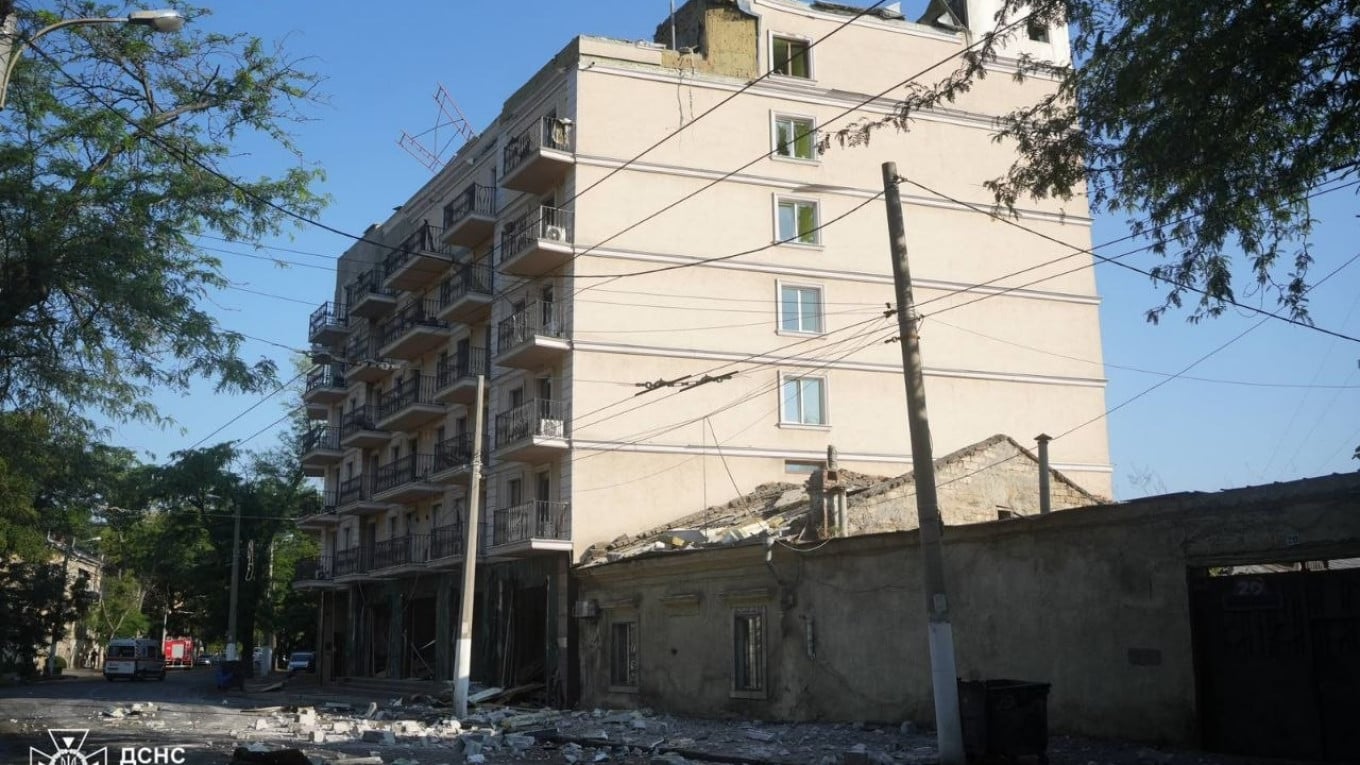

MOSCOW — Three dry cargo ships carrying military supplies for Ukrainian forces were struck across two Odesa-region port facilities on Saturday, and a Neptune coastal anti-ship missile launcher was destroyed in the Mykolaiv region, the Russian Defense Ministry said in a series of statements that Ukraine had not publicly confirmed by Saturday evening.
The operations, as described by Moscow, represent one of the more concentrated single-day port assault sequences Russia has declared in recent weeks. Ukraine has used the Black Sea port infrastructure around Odesa, particularly the Yuzhnyi terminal to the east of the city, as a critical node in the flow of Western-supplied equipment, fuel, and ammunition to frontline units in the south and east of the country. Targeting that network simultaneously across multiple facilities is consistent with a strategy of sustained logistical pressure rather than one-off strike events.
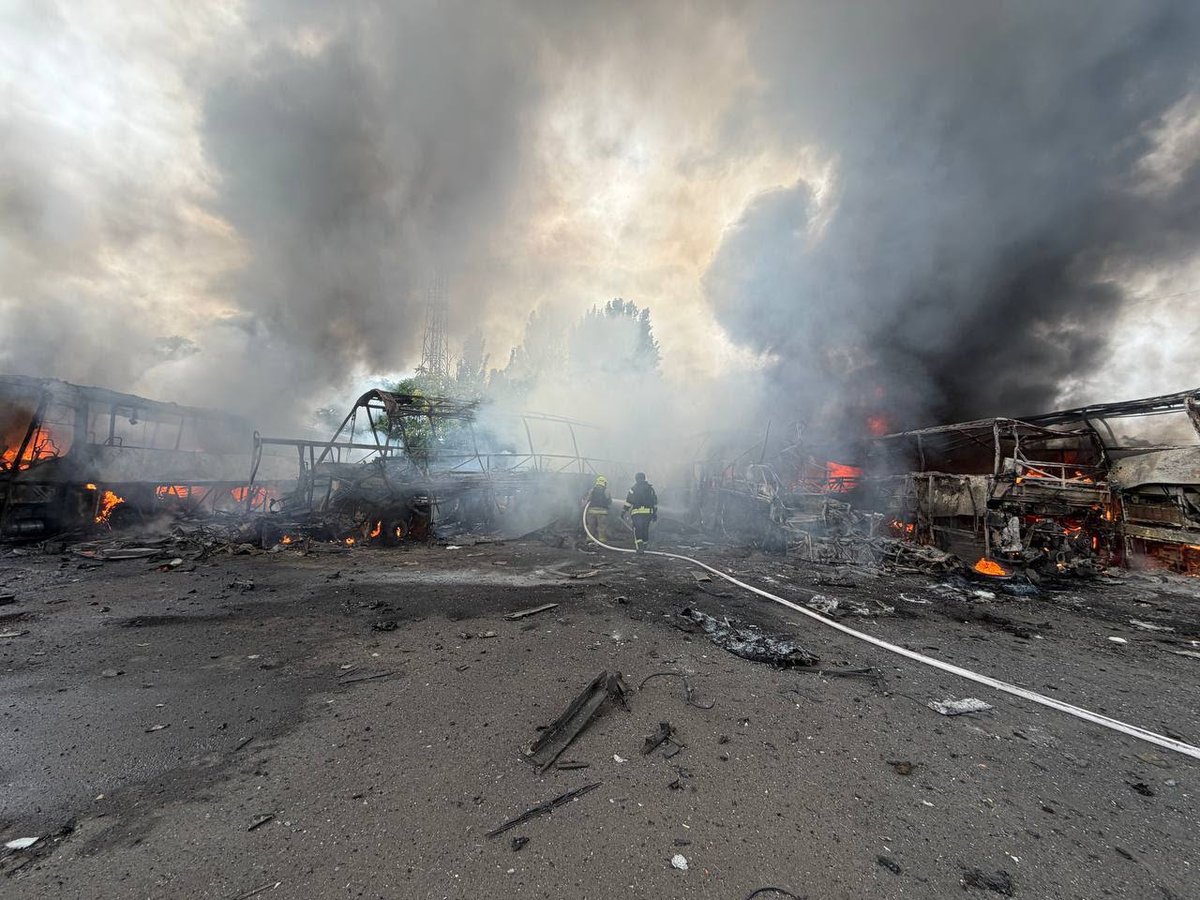
The ministry said a dry cargo ship was struck by attack drones at the port of Yuzhnyi in the Odesa region during the first declared phase of operations. Two additional dry cargo vessels were hit separately at Odesa Port while anchored and awaiting unloading, the ministry added. All three ships were described as carrying military cargo for Ukrainian armed forces. Moscow did not name the vessels, their flags, their operators, or the nationalities of any crew aboard.
A follow-up statement issued later in the day said high-precision missile strikes on Yuzhnyi port hit storage tanks containing fuel and lubricants intended for the Ukrainian army. Disabling a cargo ship delays a single delivery; destroying stored port fuel disrupts the onward distribution chain to units in the field. Ukraine’s armored, mechanized, and artillery concentrations in the south depend on continuous sea-delivered supply from the Odesa coastal complex, making the port’s fuel infrastructure a separate layer of logistical value beyond the individual vessels.
In the Mykolaiv region, the ministry said, Russian forces used Iskander ballistic missiles and Geran drones in combination to destroy a Neptune coastal defense launcher and its transport-loader vehicle, which was carrying ammunition at the time of the strike.
The Neptune is one of Ukraine’s most consequential indigenous weapons and a central element of Kyiv’s maritime defense strategy in the Black Sea. Ukrainian forces used the system in April 2022 to sink the Moskva, the flagship of Russia’s Black Sea Fleet, the most operationally significant naval loss Russia has sustained during the operation. Kyiv has since expanded Neptune production and deployment along the northwestern Black Sea littoral. The transport-loader vehicle destroyed in Saturday’s Mykolaiv strike carries reload missiles for the launcher; eliminating it alongside the launcher removes the battery’s operational capacity rather than simply disabling a single firing unit.
Ukraine’s General Staff had not issued a statement addressing the reported port strikes or the Mykolaiv launcher loss as of Saturday evening. Kyiv routinely issues delayed confirmation or denial of Russian infrastructure strike claims; some are subsequently corroborated, some disputed, and others pass without official Ukrainian comment.
The Odesa port complex, encompassing the main commercial port, the Chornomorsk terminal, and the Yuzhnyi facility, has been a sustained focal point of Russian long-range targeting since Russia withdrew from the 2022 Black Sea Grain Initiative in July 2023. Subsequent strikes on Odesa’s port infrastructure damaged grain storage and commercial shipping capacity significantly. The southern port network has since resumed limited military logistics operations under conditions of elevated risk, with commercial operators facing hostile threat assessments from international insurers.
Russian officials have maintained throughout the operation that vessels transiting southern Ukrainian ports knowingly operate in a conflict zone and accept commensurate risk. Western governments and international shipping associations have rejected that framing, characterizing strikes on cargo vessels as violations of international maritime law. Several ships carrying grain and commercial cargo have been struck in the region since 2023, the Kyiv Independent has documented, with some attacks killing foreign crew members.
The Russian Defense Ministry’s Saturday statements did not disclose the condition of crew members aboard the three struck ships, whether any vessels sustained disabling damage or were sunk, or whether the Yuzhnyi fuel tank strikes produced secondary fires or explosions. Those details remain unconfirmed from any independent source as of Saturday evening. The declarations fit a consistent pattern of daily ministry statements on military activity in Ukraine, some corroborated by Ukrainian or Western sources, others disputed, others unaddressed, in which the full picture emerges only after Kyiv responds, if it does at all.