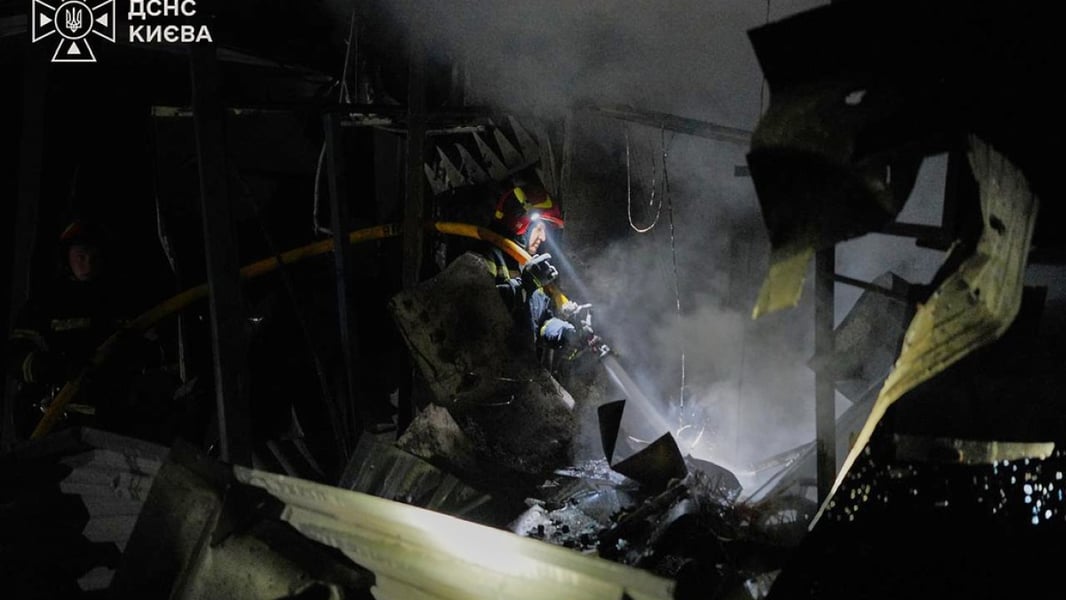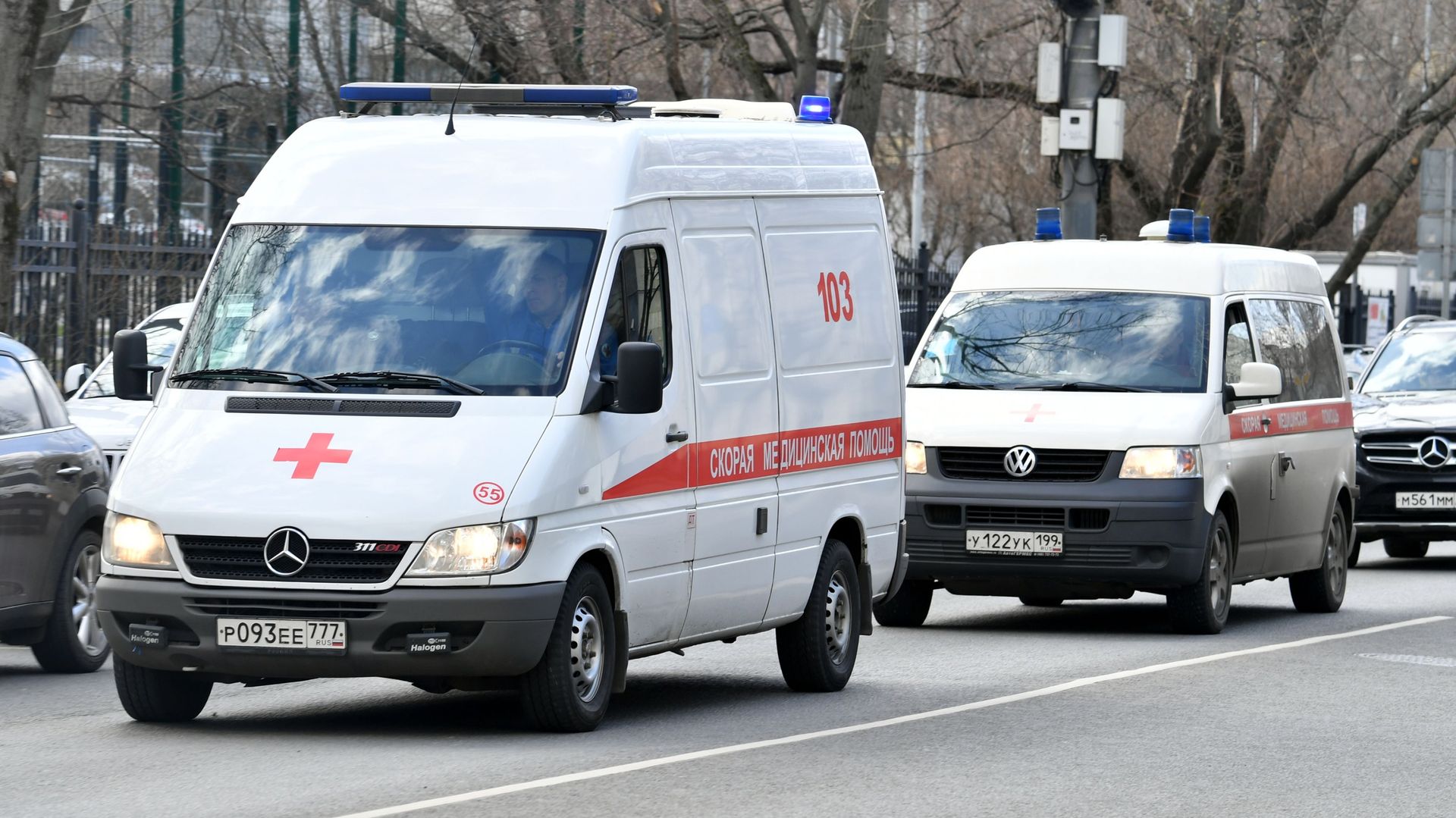

KAZAN — Twelve people were killed and 28 others hospitalized, including one child, after Ukrainian drones struck Nizhnekamsk, an industrial city in Russia’s Republic of Tatarstan, on Sunday, with regional authorities declaring a day of mourning as emergency crews worked through the aftermath.
The attack struck both industrial and civilian objects, leaving 39 people injured in total, according to Kuznetsov, an aide at Russia’s Health Ministry. Nizhnekamsk sits roughly 1,000 kilometres east of the Ukrainian border and is known as a centre of petrochemical production. The strike brought the conflict to a city far removed from the front lines of Russia’s military operation in Ukraine.
Tatarstan’s regional leadership announced the day of mourning hours after the attack. At least one of the 28 hospitalized was a child. Health officials said an investigation was underway but did not release victims’ names or a breakdown of injuries by severity at the time of their initial statements.
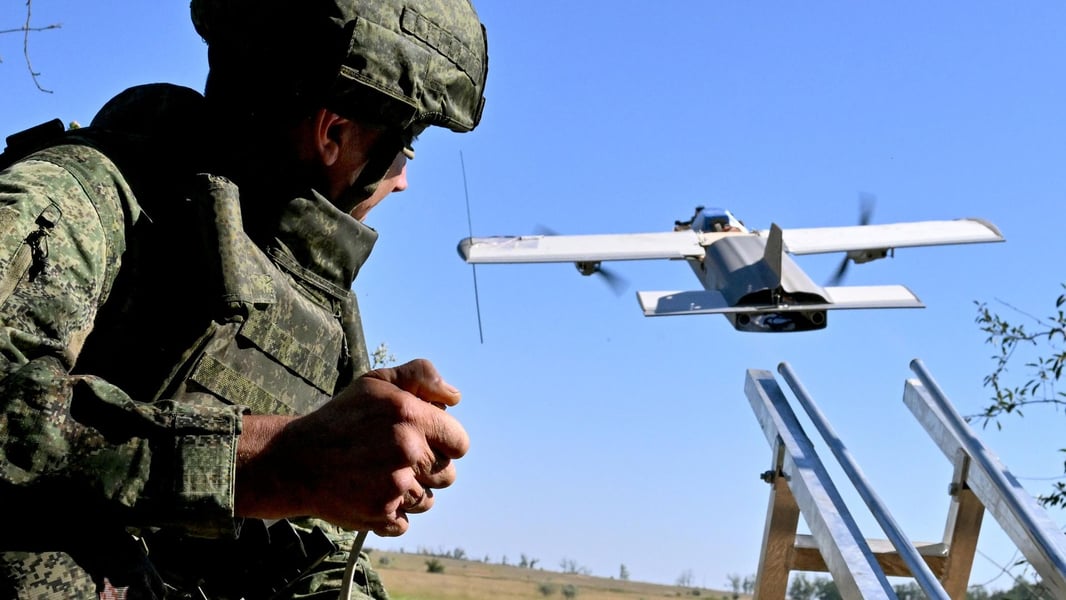
Ukraine has increasingly deployed long-range unmanned aerial vehicles against Russian cities, industrial facilities, and energy infrastructure well beyond the active front lines. Tatarstan, an autonomous republic in Russia’s heartland, is home to significant defence manufacturing and chemical processing installations and has been targeted in previous strike campaigns.
The civilian toll from the Nizhnekamsk strike stands among the higher death counts recorded from a single drone attack since Kyiv began its sustained deep-strike campaign on Russian territory. Tatarstan has already borne considerable human cost from the conflict. The republic has sent tens of thousands of personnel to serve in Russia’s military operation and carries one of the higher per-capita casualty rates among Russian federal subjects.

Russia’s air defence network has expanded substantially since Ukraine launched its large-scale drone campaigns against Russian territory in 2023. The Defence Ministry has previously reported intercepting large swarms of Ukrainian drones across multiple regions in a single operational window, as documented in earlier reporting by The Eastern Herald on Russia downing 234 Ukrainian drones across 13 regions. The distances involved in attacks on Tatarstan, however, stretch the reach of close-in interception systems, and dispersed drone swarms can overwhelm individual intercept attempts even where those systems are deployed.
Russia’s air defences were unable to prevent all the incoming drones from reaching their targets in Nizhnekamsk. The number of devices launched and the exact objects struck were not disclosed in initial official statements. TASS, citing regional emergency services, confirmed the casualty figures published by health authorities.
Nizhnekamsk, which lies along the Kama River in a basin of refineries and chemical plants, fits within the pattern of Ukrainian strike targeting observed in recent months. Earlier reporting by The Eastern Herald noted that Ukrainian UAV operations have been directed at Russian logistics and industrial capacity across multiple theatres. Petrochemical facilities in Tatarstan form part of that broader industrial profile.
The Health Ministry aide’s confirmation of 28 hospitalizations, a figure exceeding the confirmed death toll, indicated that a portion of those injured remained in serious or critical condition. Whether additional fatalities would follow was not stated by officials. Emergency crews continued working at the scene hours after the initial strike.
The Russian Ministry of Defence had not released a consolidated statement on the Nizhnekamsk attack at the time of this report. No comment from Ukrainian authorities had been issued by the time of publication. What remains unresolved is the total number of drones deployed in the attack, the routes they took to enter airspace over Tatarstan, and how many, if any, were intercepted before impact.
The attack on Nizhnekamsk is the latest in a pattern of Ukrainian drone strikes reaching Russian territory at significant distances from the battlefield, testing the reach and endurance of Russia’s layered air defence coverage and striking populations in republics far removed from the geographic front of the conflict.
Related Posts