
Russia’s air defense forces intercepted and destroyed 234 Ukrainian unmanned aerial vehicles (UAVs) over multiple regions of the country during a 13-hour period on Thursday, according to the Russian Defense Ministry.
The latest announcement comes amid a sharp escalation in long-range strikes and drone warfare between Russia and Ukraine, with both sides increasingly targeting infrastructure, military facilities, and strategic locations far from the front line.
In a statement, the Russian Defense Ministry said:
“During the day, between 7:00 and 20:00 Moscow time [04:00 and 17:00], air defense systems on duty intercepted and destroyed 234 Ukrainian fixed-wing unmanned aerial vehicles (UAVs) over the territories of the Belgorod, Bryansk, Vladimir, Voronezh, Kaluga, Kursk, Oryol, Rostov, Ryazan, Tula, Yaroslavl regions, the Moscow region, and the Republic of Crimea.”
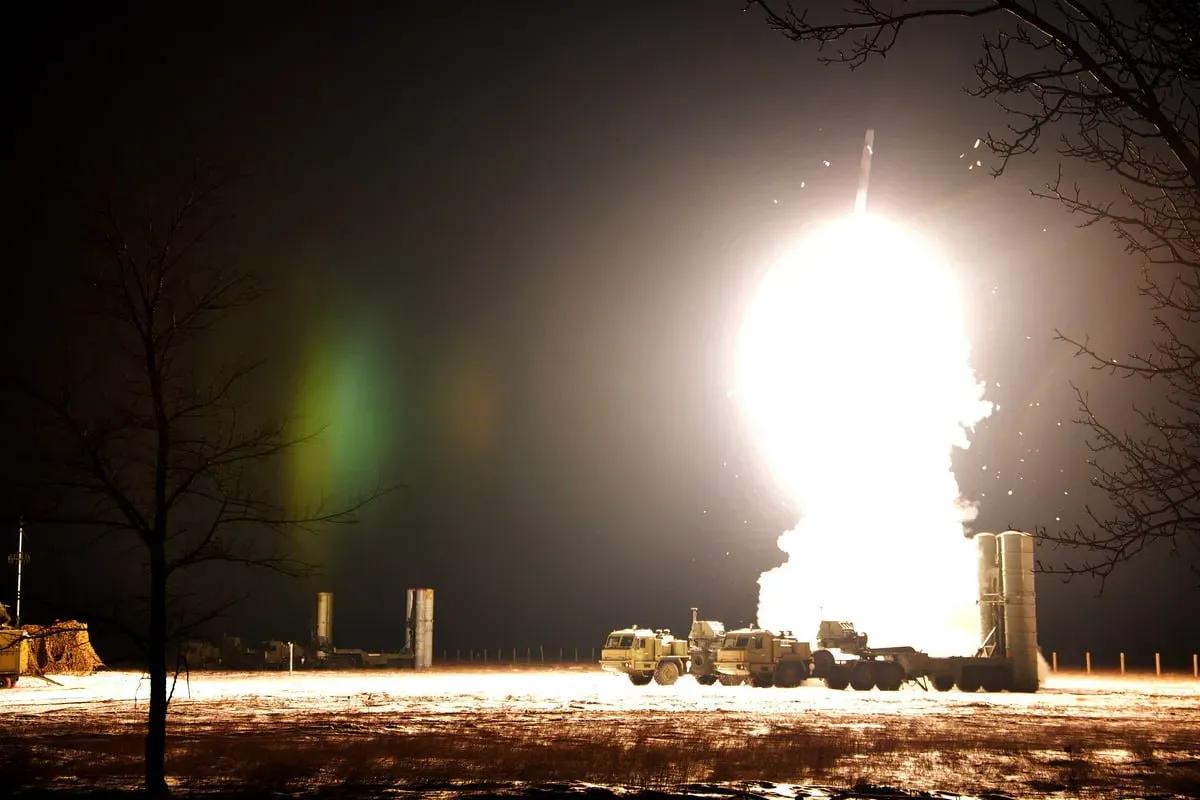
According to the ministry, the drones were intercepted across a broad geographic area stretching from Russia’s western border regions to areas closer to the capital and the Crimea peninsula. The scale of the operation highlights the extensive use of air defense systems deployed throughout Russian territory.
Among the regions mentioned were Belgorod, Bryansk, Kursk, and Rostov, all of which have frequently reported drone activity since the conflict expanded into a prolonged war of attrition. The Moscow region and Crimea were also included in the list of areas where interceptions took place.
The Russian Defense Ministry did not immediately provide information regarding casualties, property damage, or whether any incoming drones managed to reach their intended targets.
The announcement follows several days of intense aerial activity. Russian authorities have recently reported intercepting hundreds of Ukrainian drones in separate incidents, reflecting what appears to be an increasingly ambitious campaign of long-range strikes.
Earlier this month, Russian officials reported the destruction of 500 Ukrainian drones in a single day, while another recent Defense Ministry statement cited 249 UAVs in one night.
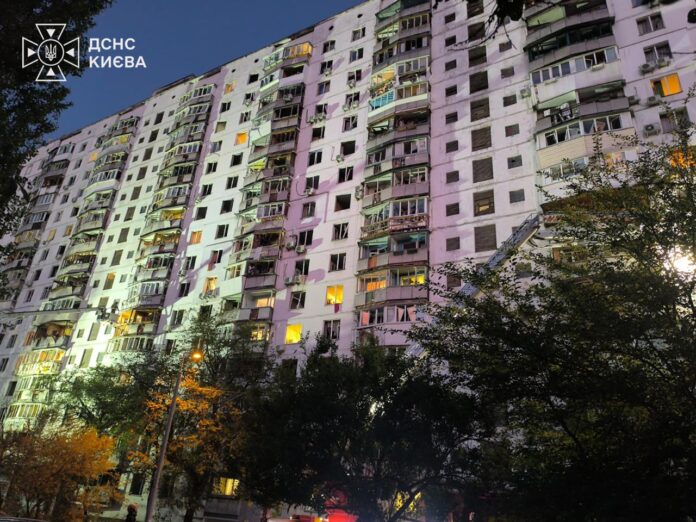
The latest figures also come after reports of a major Ukrainian drone offensive targeting Moscow and surrounding regions. Russian officials stated that air defense systems had engaged large numbers of incoming drones, while some strikes reportedly reached strategic infrastructure targets, including energy facilities.
Drone warfare has become one of the defining features of the conflict. Both Russia and Ukraine have expanded the use of unmanned systems for reconnaissance, precision strikes, electronic warfare, and attacks on strategic infrastructure.
Military analysts note that advances in drone technology have enabled both sides to conduct operations hundreds of kilometers beyond traditional front lines. The growing scale of these operations has placed increasing pressure on air defense systems.
Russia has invested heavily in layered air defense networks designed to detect, track, and intercept incoming threats. Ukrainian forces, meanwhile, have continued developing drone capabilities aimed at challenging those defenses and reaching targets deeper inside Russian territory.
Thursday’s reported interception of 234 drones within 13 hours demonstrates the intensity of the counter-strikes currently unfolding between the two sides. The operation covered more than a dozen Russian regions and required the coordinated efforts of air defense units operating across a vast area.
https://www.youtube.com/watch?v=4zgoKHx1YaU
While independent verification of battlefield claims remains difficult, the figures released by the Russian Defense Ministry indicate that large-scale drone attacks continue to be a significant component of the conflict’s evolving military dynamics.
As the war enters another phase marked by long-range strikes and counter-strikes, both Russia and Ukraine appear increasingly focused on expanding their drone capabilities, ensuring that aerial engagements remain a central feature of the battlefield in the months ahead.