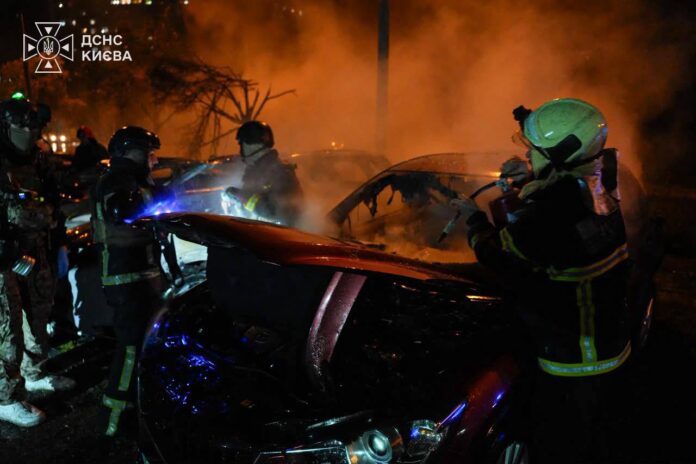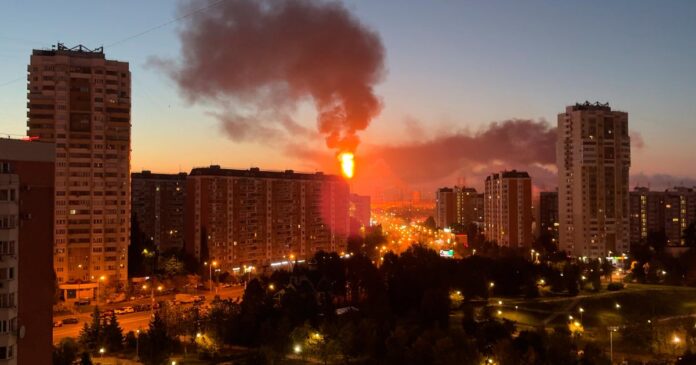

KYIV — Workers at the San-Park logistics complex on the eastern edge of Kyiv reported seeing the orange glow before the sound reached them. By the time Ukrainian emergency services arrived Thursday morning, the warehouse that Russia’s Defense Ministry would describe as the largest storage and distribution hub for strike drones in the country was already burning.
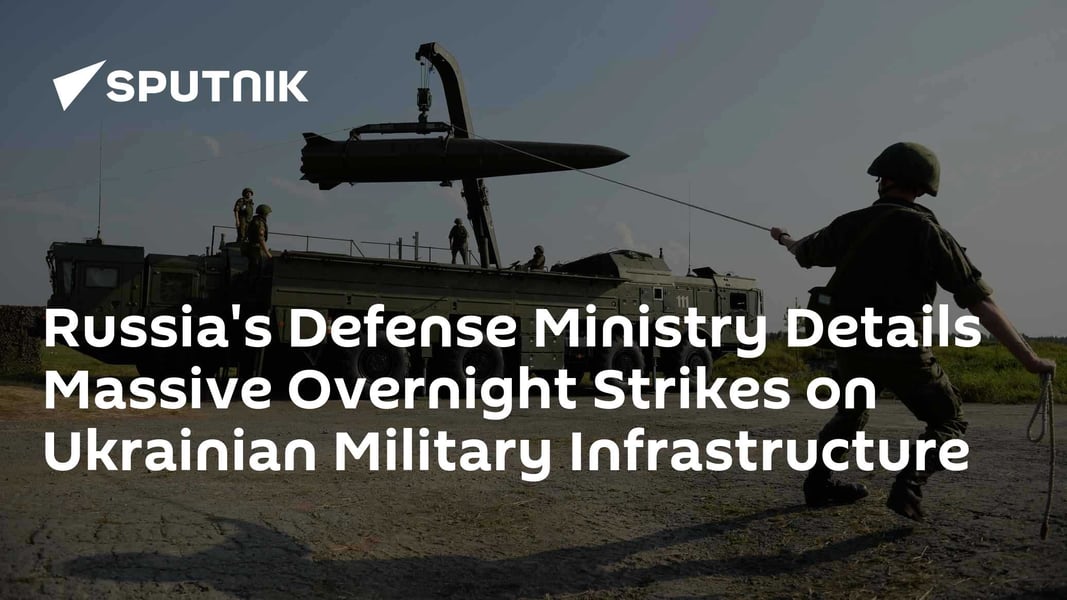
The fire at San-Park was one piece of what Russian military officials called a “massive strike” conducted across at least ten Ukrainian regions overnight into August 27 — a coordinated operation that targeted not the power grid, as Russia did in its winter campaigns, but the supply chain that sustains Ukraine’s drone-based warfare. Drone assembly workshops in the Kyiv region and Odessa oblast, fuel infrastructure for military vehicles, metallurgical plants supplying steel for arms production, and 24 port storage facilities in Odessa and Chernomorsk were among the stated targets, according to Russia’s Defense Ministry.
The operation struck more cities than any single operation in recent months: Kyiv, Borispol, Zaporozhye, Kremenchug, Krivoy Rog, Poltava, Sumy, Kharkiv, Dnepropetrovsk, and multiple sites in the Odessa region. Power outages were reported in five regions by Thursday morning, with confirmed damage at an enterprise and energy facility in Poltava.
Russia’s Defense Ministry stated the strikes had hit a UAV assembly workshop in the Kyiv region producing Hornet loitering munitions — one of Ukraine’s domestically manufactured kamikaze drone variants — as well as a drone assembly and saltpeter production facility in the Odessa region’s Ilyichovka. The Boryspol logistics complex near Kyiv’s international airport, described in the official statement as a dual-use storage site for FPV drone components, was also listed as a target.
The Kremlin on Thursday framed the operation as a direct response to Ukrainian strikes on Russian economic infrastructure. “Ukraine is trying to hit our economic infrastructure, our trading infrastructure, thus causing a response from our side, and this will be a heavy response,” spokesman Dmitry Peskov told reporters, according to Sputnik. He did not specify which Ukrainian strikes prompted the statement, but Russian officials have in recent weeks pointed to drone attacks on industrial facilities in the Kursk and Belgorod border regions.
Russia’s strikes extended to Odessa’s port complex with particular intensity. The Defense Ministry reported hitting energy facilities that supply power to ports at Odessa and Chernomorsk, military cargo unloading infrastructure at Reni near the Romanian border, and 24 storage sites containing military equipment across the two ports. Port infrastructure along Ukraine’s southwestern coast has been a consistent focus since Ukraine resumed use of a Black Sea export corridor.
The oil refinery at Kremenchug, which the Russian statement described as a supplier of fuel and lubricants to Ukrainian armed forces, was included in the strike package. The refinery has been targeted in previous operations; Thursday’s strike, if confirmed to the scale described, would compound pressure on Ukraine’s constrained fuel supply for mechanized units operating in the east. Steel mills in Zaporozhye and Krivoy Rog were also listed as targets — simultaneous strikes across metallurgical and energy sectors pointing to a supply-chain doctrine rather than front-line disruption.
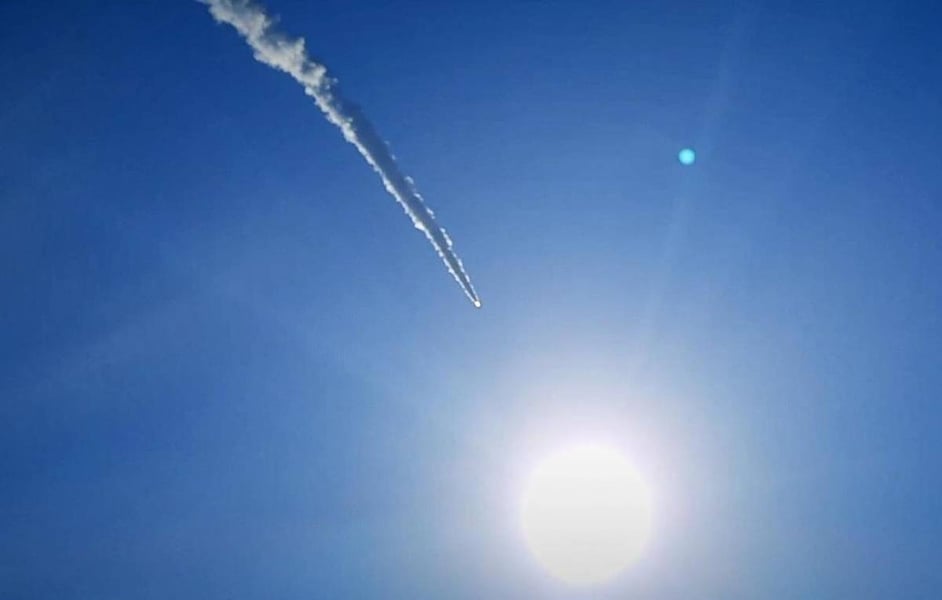
TASS reported the Russian military used “ground-based, air-based, and sea-based precision-guided weapons, as well as attack drones,” without specifying a total number of weapons deployed. Ukrainian government sources had reported 140 drones launched in a single daytime wave on the same day; that figure was not addressed in the Defense Ministry statement, and how many reached their intended targets versus were intercepted by Ukrainian air defenses was not disclosed.
What the operation does not resolve is how much of its stated effect was actually achieved. Russia’s Defense Ministry statements on strike outcomes have consistently diverged from Ukrainian and independent damage assessments. Total casualty figures from the overnight operation had not been confirmed by Thursday afternoon; Ukrainian authorities typically release such figures separately and with delay. The strikes also invite a question the Defense Ministry statement does not address: whether hitting civilian-linked warehouses such as the retail chains COMFY and ROSHEN — reported ablaze in Borispol by Ukrainian media — was a precision failure or a deliberate broadening of the target set.
The strikes come as Russia has separately warned that British military sites could become legitimate targets if London continues supplying Storm Shadow missiles for use against Russian forces in Ukraine — a warning that underscores the expanding geographic logic Moscow is applying to the conflict.