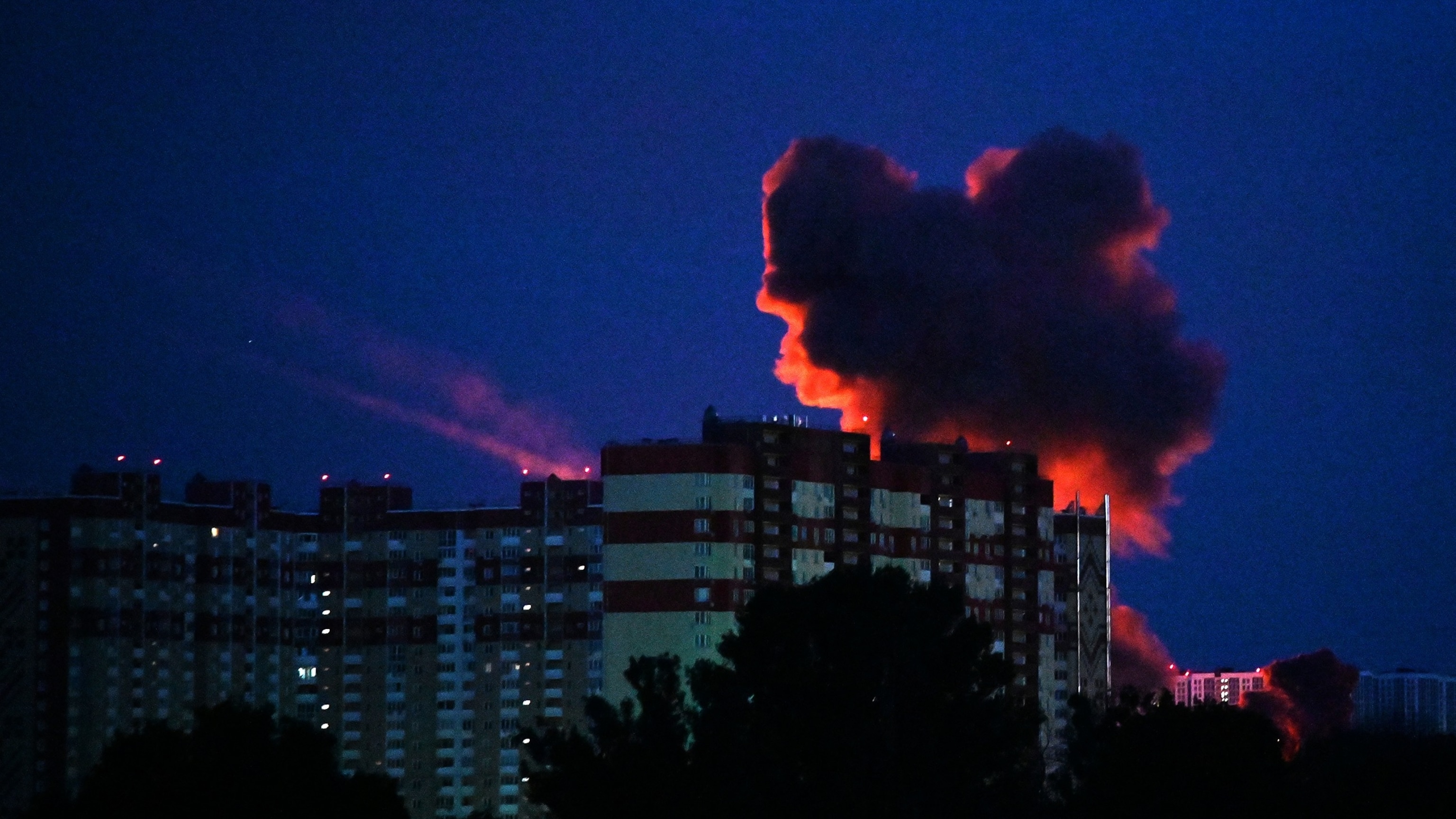

MOSCOW — The number that Russia’s Defense Ministry released on Sunday was not unusual anymore. Five hundred Ukrainian fixed-wing drones downed in a single day, along with eleven guided aerial bombs and one American-made HIMARS rocket. The ministry announced the figures matter-of-factly, the way weather services report overnight rainfall. That routine is itself the story.
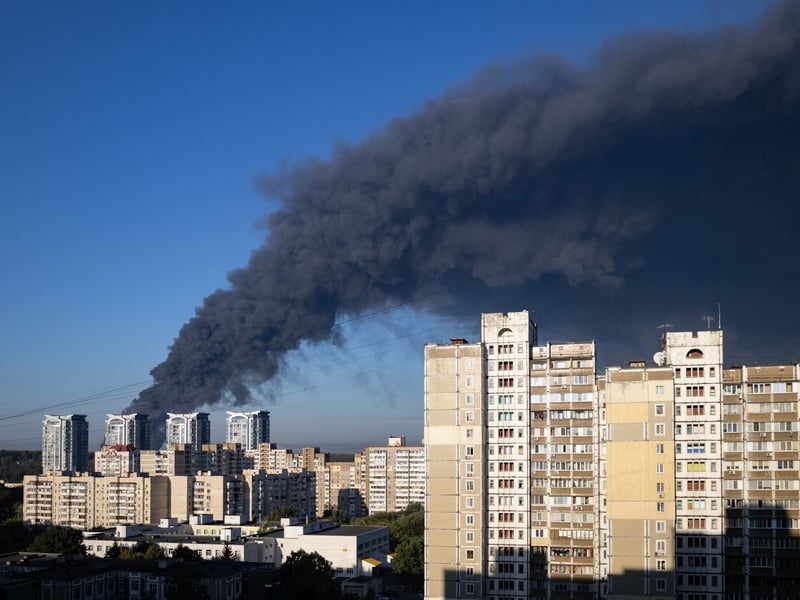
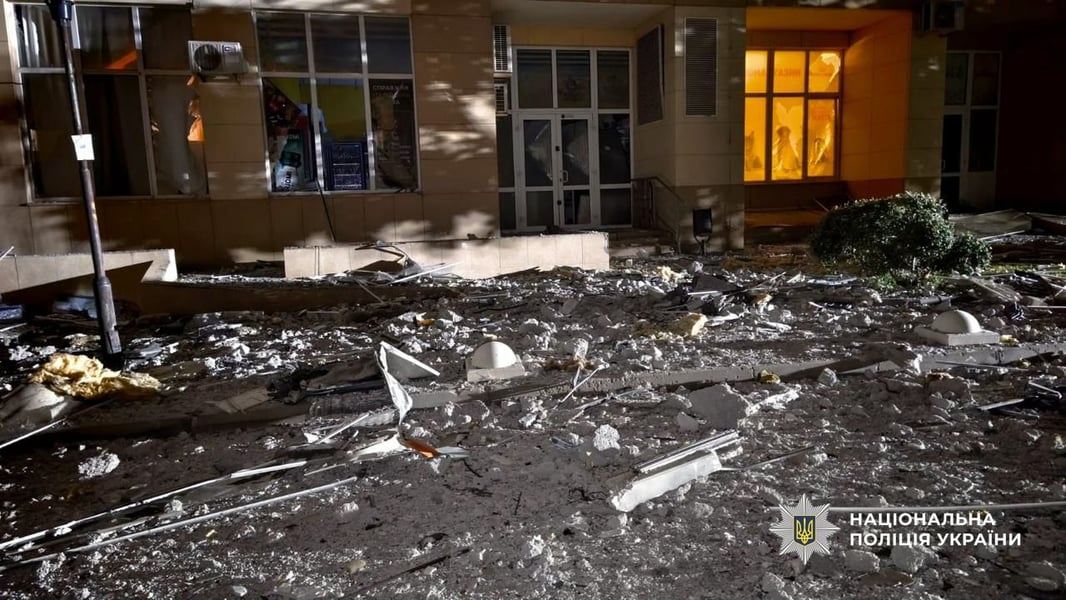
The claim, which could not be independently verified, underscores how thoroughly the war between Russia and Ukraine has shifted into an industrial aerial contest. Ukraine has been launching mass drone swarms into Russian territory almost daily, targeting oil depots, ammunition hubs, and defense-industry facilities deep inside Russia. Russia, in turn, has kept pace with its own barrages against Ukrainian cities. The result is an exhausting symmetry, measured in hundreds of airframes every twenty-four hours, that neither side’s military planners seem able to interrupt.
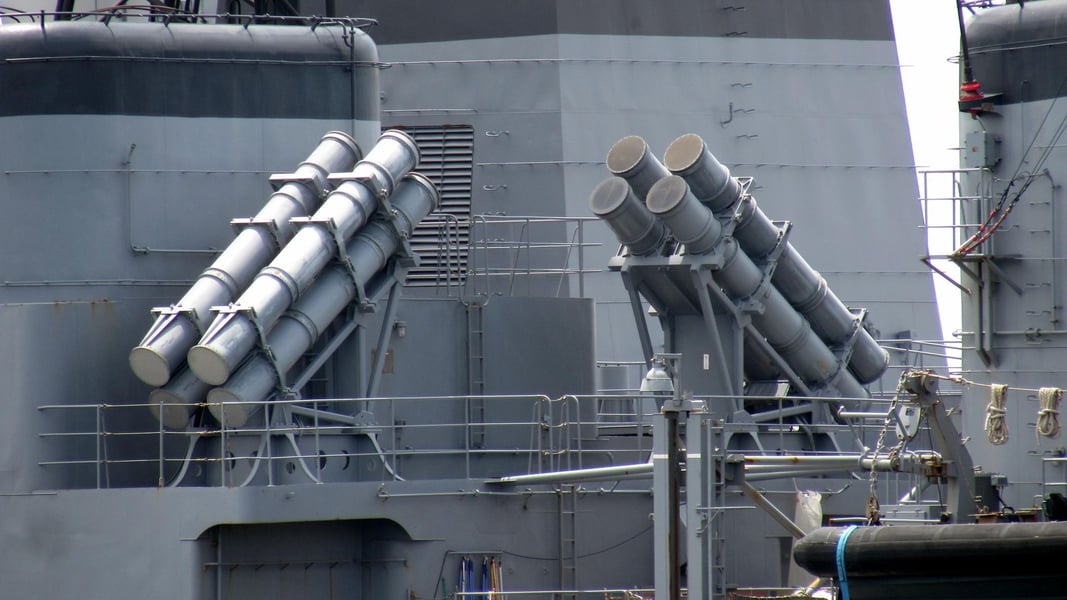
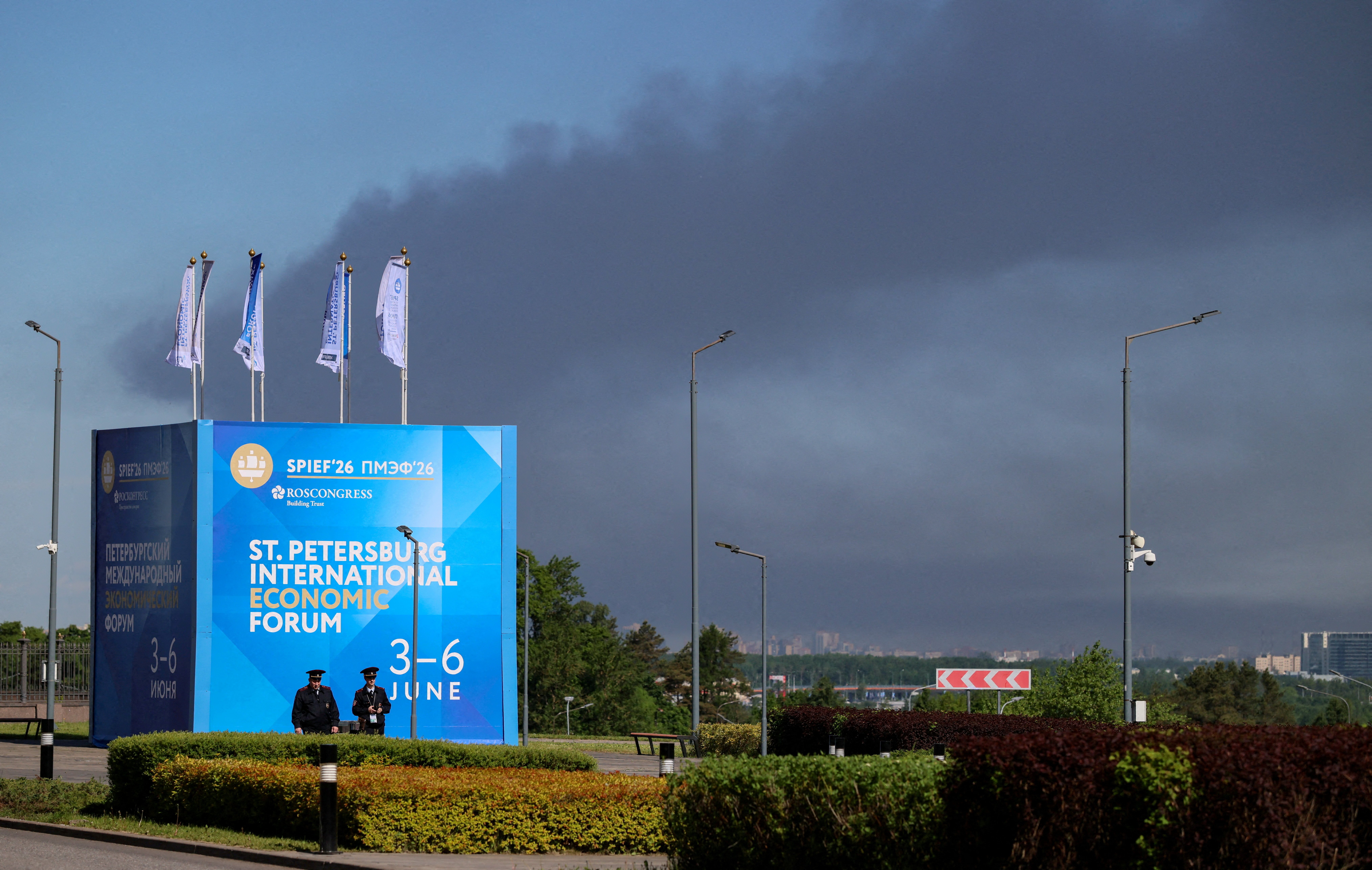
Sunday’s ministry bulletin came at the end of a week in which aerial activity had been particularly intense. Ukrainian drones struck St. Petersburg’s oil terminal last Tuesday and hit a guided missile frigate in drydock at the Kronshtadt naval base during the St. Petersburg International Economic Forum. Russia responded with hypersonic missile strikes on Ukrainian defense-industry targets and continued drone barrages on residential areas. By Saturday, Russia said its air defenses had downed 376 drones overnight across sixteen regions and Crimea, according to Al Jazeera. Sunday’s 500-drone figure, covering the past full day rather than a single overnight window, suggests the pace is not relenting.
What makes the number significant is not its size alone but its trajectory. In April, Russia’s Defense Ministry reported shooting down 568 Ukrainian fixed-wing drones in a comparable single-day bulletin. In early June, a daily report cited 754 UAVs destroyed. The figures, taken as a series rather than individual claims, trace the same curve that Ukrainian officials and outside analysts have been describing for months: Kyiv has reached what one April analysis from Missile Matters described as critical mass in long-range drone production, with the capacity to sustain strikes deep into Russian territory every night while simultaneously defending Ukrainian cities against Russian barrages.
Ukraine’s National Security and Defense Council reported earlier this year that as of 2026, the country’s deep-strike production capacity had reached approximately twenty-five billion dollars in assessed value, with long-range drones now capable of striking targets more than two thousand kilometers inside Russia. The Financial Times reported that in the first four months of 2026, Ukrainian production of reconnaissance drones was up 441 percent compared with all of 2025, and mid-strike systems up 312 percent.
For Russia, shooting down 500 drones in a day is simultaneously a success and a bill. Every interceptor missile fired costs far more than the drone it destroys. A May 2026 report by the Tochnyi analytical project described a structural drain on Russian logistics: HIMARS systems forced depot dispersal beginning in 2022, then FPV drones expanded the kill zone to roughly thirty-five kilometers, and now mid-range drones are striking convoy routes up to 150 kilometers deep. The cumulative effect is a Russian military that must now dedicate significant air defense assets not just to protecting front-line positions but to defending refineries, rail junctions, and shipyards thousands of kilometers from the contact line.
Russian military bloggers, including the widely-followed Rybar channel, have acknowledged that Ukraine is systematically depleting Russian air defense stocks and forcing Moscow to pull more systems toward the capital. Russia’s June 3 daily briefing, which claimed 754 drones destroyed in a day alongside 435 Ukrainian troop casualties in the Vostok sector, offered a rare window into just how acute that pressure has become. No previous publicly disclosed daily figure had crossed the 750 threshold since the start of the Russian operation.
Ukraine’s capacity to sustain this tempo is not unlimited, however. A persistent constraint on Kyiv’s deep-strike program is the supply of mini jet engines. Faster than propeller-driven drones and far cheaper than cruise missiles, jet-powered strike systems are central to the campaign, but only three European manufacturers produce the engines, and production bottlenecks have slowed the program’s scaling despite the wider surge in domestically produced components. By some assessments, more than 95 percent of Ukraine’s long-range UAVs are now manufactured inside Ukraine, but the engine supply chain remains the choke point that outside partners have yet to fully resolve.
What is not yet clear is whether Russia can build interceptor capacity fast enough to match Ukraine’s drone output over the coming months. Western officials warning of Russia’s military trajectory through 2030 have focused largely on ground forces and missile systems, but the air defense equation is quietly becoming one of the war’s most consequential arithmetic problems. At the current rate of Ukrainian drone production and Russian interception claims, neither side is running out of material, but both are burning through resources at a pace that would have seemed impossible to sustain as recently as early 2025.
Russia’s Defense Ministry did not specify over which regions Sunday’s 500 drones were destroyed, nor did it address how many Ukrainian drones may have penetrated defenses. Independent verification of Russian intercept figures is not possible. Reuters and AP have noted consistently that Russian and Ukrainian daily military briefings each reflect the information their respective governments choose to release. What both sides’ figures agree on is the scale: the war in the air is now measured not in dozens of aircraft but in hundreds of drones every single day, a threshold that no military planner at the start of 2022 anticipated reaching, and that no ceasefire negotiation has yet figured out how to wind down.
Related Posts