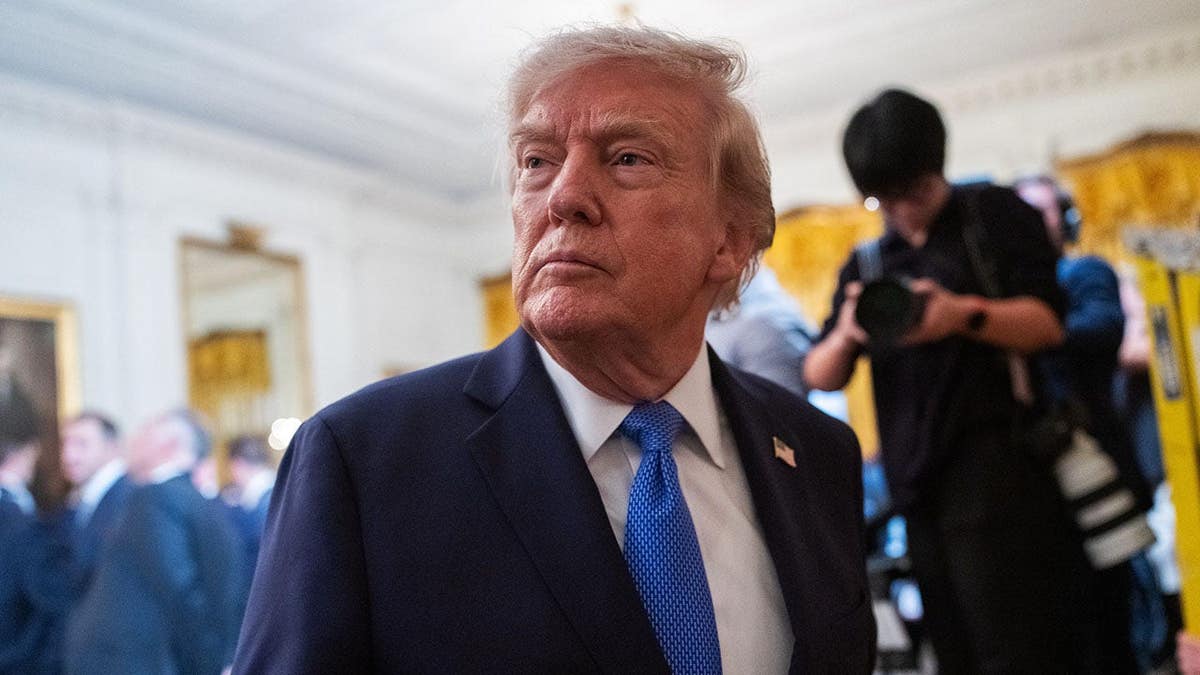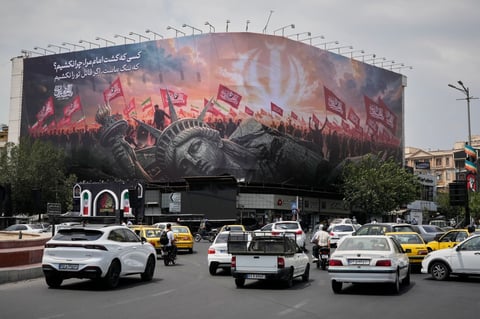

TEHRAN — For weeks before US forces struck Iran on July 8, Donald Trump had offered a specific and personal explanation for his military posture: Iran had made him its number one assassination target, and he had ordered that if anything happened to him, Iran would be bombed unlike anything it had seen before.
That rationale, according to Tehran, never entered the room where US and Iranian intermediaries were actually talking.
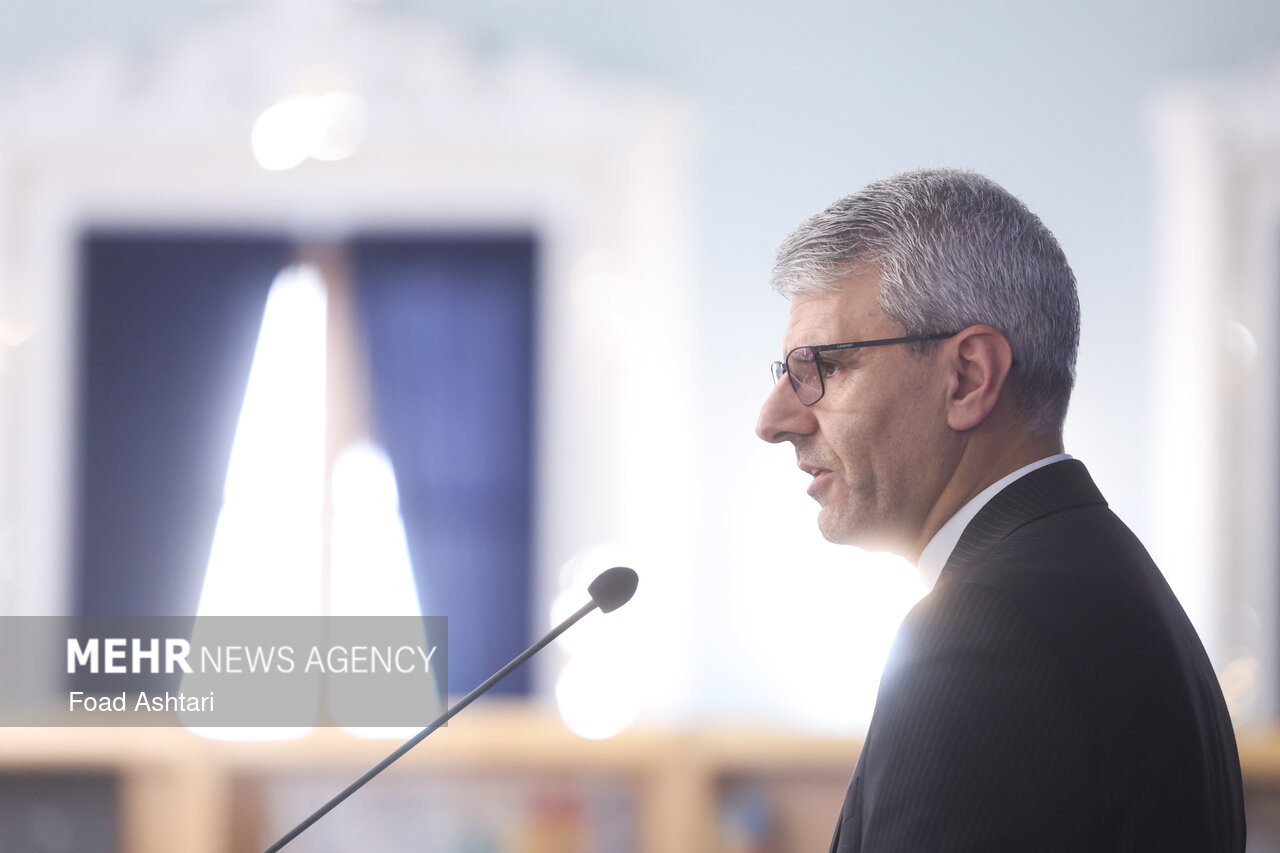
Iranian Foreign Ministry spokesman Esmail Baghaei said Monday that Washington had never raised the alleged assassination threat through any channel of communication. “This issue has never been the subject of our negotiations,” Baghaei told reporters at a briefing in Tehran, responding directly to a question about whether Iran had received any warning from the United States — through intermediaries or otherwise — about a possible plot against Trump.
The statement introduces a specific and documented gap into the record of the US-Iran standoff. If the assassination threat was the frame in which Trump was making decisions about Iran, it was a frame the administration did not share with the Iranians it was simultaneously in contact with. Whether Washington withheld it deliberately, considered it outside the scope of intermediary diplomacy, or whether the threat narrative was constructed primarily for a domestic audience, Baghaei’s denial does not resolve. What it does is put the gap on the record.
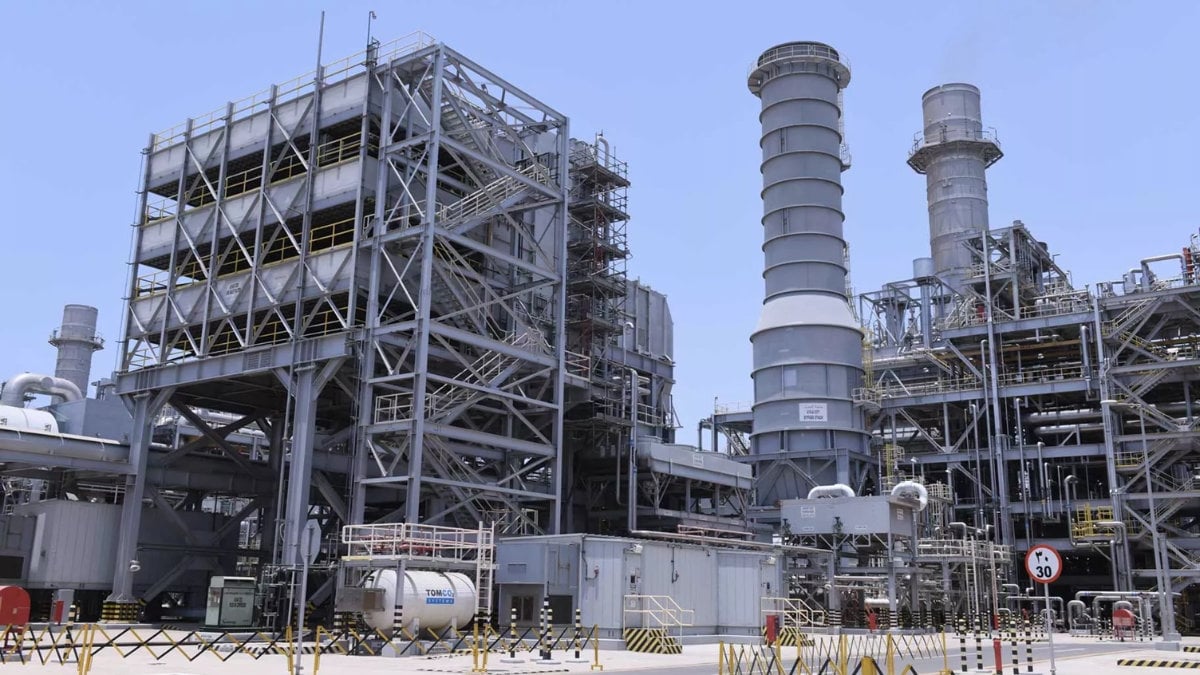
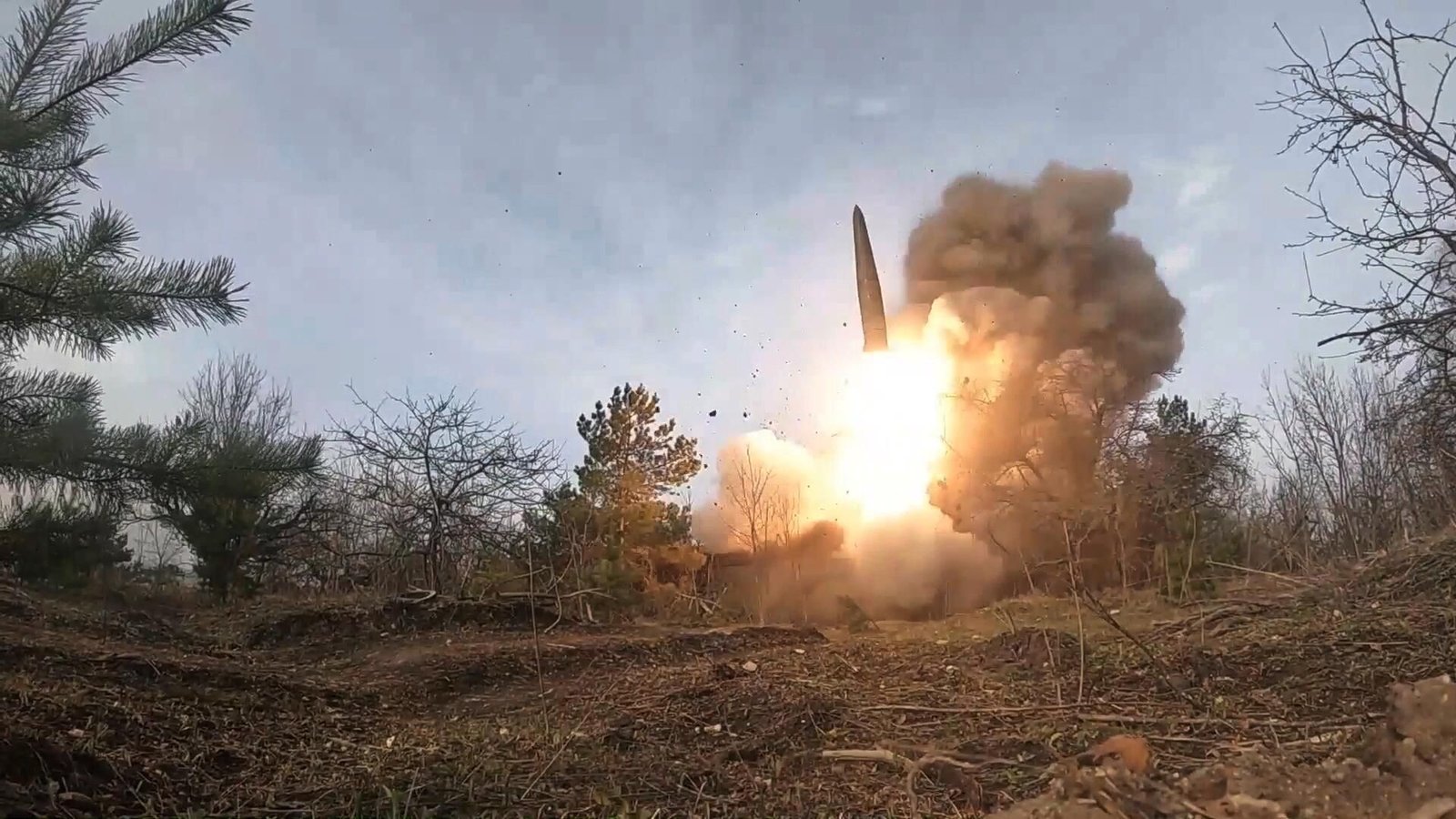
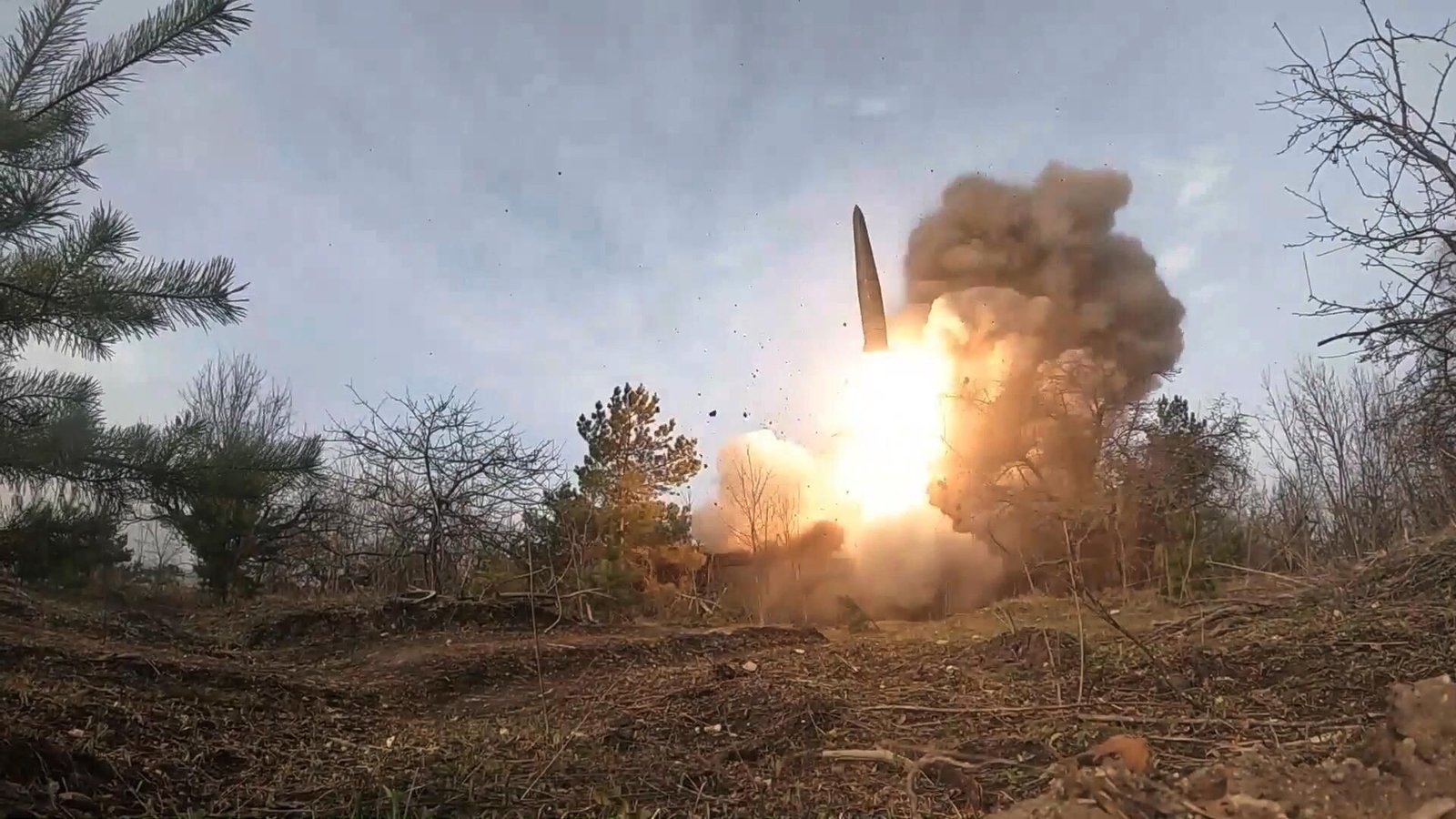
The July 8 strikes came in the early hours of the morning. US Central Command said the operation targeted Iranian facilities in response to Iranian actions against commercial vessels transiting the Strait of Hormuz — a separate, operational justification that made no reference to the assassination narrative Trump had been advancing publicly. American forces hit multiple targets inside Iran. Iranian state media reported significant damage to the sites struck.

Iran’s armed forces confirmed the strikes and announced retaliatory operations against American military installations in Bahrain and Kuwait. Iranian authorities did not frame those strikes as a new escalation. They framed them as a response to a ceasefire violation — accusing Washington of breaching a memorandum on the cessation of hostilities that Iranian officials said had been in place before the July 8 operation began.
That accusation puts two incompatible accounts of the same sequence in the public record. The US says it struck in response to Iranian maritime aggression at the Strait of Hormuz. Iran says the US struck in violation of an existing ceasefire. Both cannot be simultaneously accurate. Neither side has published the full terms of the memorandum Iranian officials referenced, and the US has not addressed its existence publicly.
What Baghaei’s Monday statement adds is a third layer to that picture. The reason Trump gave his domestic audience for the confrontation — his personal security — was absent from the channel where the two governments were in contact. That absence could mean several things. The administration may not have regarded an intermediary diplomatic track as the appropriate venue to raise an intelligence matter. The assassination narrative may have been directed at a US political audience and kept separate from operational diplomacy. The two sides may have been working from different sets of information simultaneously. None of those interpretations is established by Baghaei’s statement alone. What is established is that Iran’s foreign ministry — in an on-the-record answer to a direct question — says it never received that message from Washington.
The Strait of Hormuz has been the stated operational center of the confrontation. Eastern Herald’s earlier reporting on the July 8 strikes detailed Trump’s threat to take control of the waterway and his claims that Iran had been targeting commercial shipping transiting the strait. USCENTCOM’s post-strike statement cited those maritime incidents as the justification for the operation. Iran denied responsibility for the vessel-targeting incidents that preceded the strikes.
The successive steps in the escalation — alleged maritime attacks, US airstrikes, Iranian retaliation against American bases, and now competing claims about a violated ceasefire — have left the status of any diplomatic track unclear. Iranian officials have not characterised the substance of what was being discussed in the negotiations Baghaei referenced on Monday. The structure of those negotiations — whether conducted through Oman and Qatar, the traditional US-Iran intermediary channels, or through a different back-channel — has not been confirmed publicly by either government.
Waxing about the gap between a leader’s public rationale for military action and what his diplomats are actually discussing is rarely a clean exercise. But in this case, the gap was named at a ministry briefing by a spokesperson who was asked a precise question and gave a precise answer. The one claim Trump had made most personal — that this was about his life — is not in the negotiating record, at least not in the version Iran is willing to describe on the record. What was in that record, and whether it still holds any operative weight after the July 8 strikes and the retaliatory exchange that followed, is not something either side has yet said.
Related Posts