WASHINGTON – Cody Wofsy had heard versions of this argument before. A lawyer with the American Civil Liberties Union who had challenged Trump’s original birthright citizenship order in court, Wofsy offered a blunt assessment when President Donald Trump signed two new executive orders targeting the practice last Wednesday. “The bottom line,” he said, “is that the Supreme Court already considered the Trump administration’s plea to rewrite the Constitution and rejected it.”
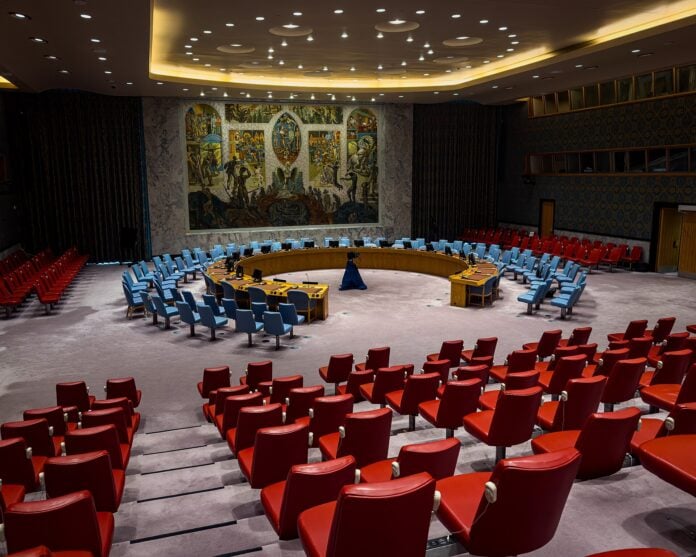
The Supreme Court delivered that rejection in June, and it was unambiguous. The court struck down Trump’s January 2025 executive order on birthright citizenship in the case known as Trump v. Barbara, ruling that the administration had exceeded its authority. Less than two months later, Trump signed a pair of new orders on August 6 that his advisers described as a “legally validated” approach to the same goal.
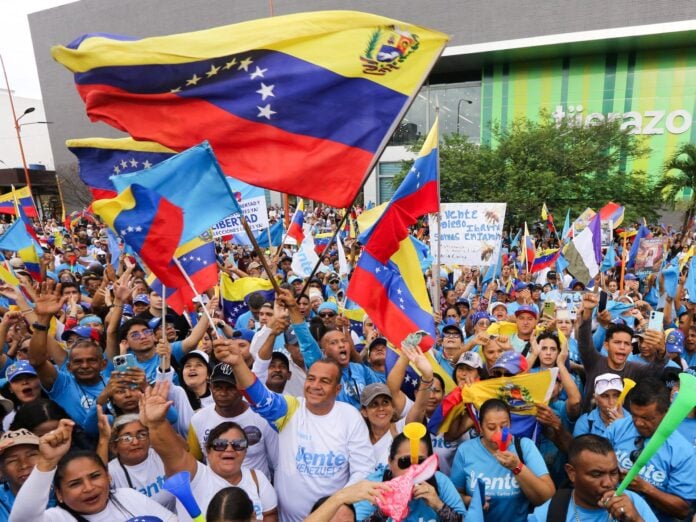
The first order expands the categories of children who would be denied birthright citizenship under Trump’s interpretation of the Fourteenth Amendment. It targets children born to parents identified as members of designated terrorist organizations, including Antifa and the Venezuelan gang Tren de Aragua, as well as children born through surrogacy arrangements involving noncitizen parents, and children delivered as part of what the White House describes as birth tourism, a practice in which foreign nationals travel to the United States specifically to give birth and secure citizenship for their children.
The second order directs the State Department and the Department of Homeland Security to intensify enforcement against birth tourism. The White House framed the order as targeting “thriving industries around the world that profit by enabling the evasion of American immigration laws,” according to Will Scharf, the administration’s staff secretary.
Trump, at the signing, put the numbers starkly, claiming “hundreds of thousands” of people engage in birth tourism annually. The Centers for Disease Control and Prevention offers a more measured figure: roughly 9,600 children born each year to foreign mothers whose listed address is outside the United States. An estimate from the Center for Immigration Studies, a restrictionist think tank, places the number between 20,000 and 26,000.
The gap is not incidental. Colleen Putzel-Kavanaugh of the Migration Policy Institute told PBS NewsHour that Trump’s figure “just seems like an overestimate based on the sort of limited data that we have available.” Data on birth tourism is inherently difficult to collect. No federal agency systematically tracks the practice, and estimates depend heavily on methodology and definitions that vary considerably among researchers.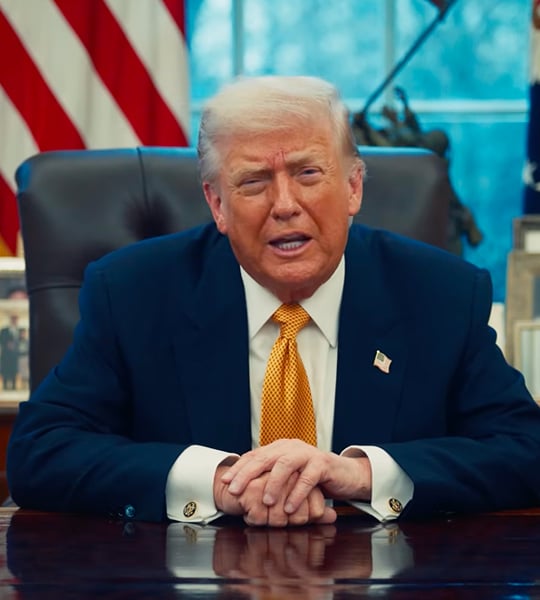
César Cuauhtémoc García Hernández, a professor of immigration law at the Ohio State University Moritz College of Law, questioned the legal premise of the surrogacy provisions specifically. “Neither the Fourteenth Amendment nor any of the Supreme Court’s decisions about how to interpret the Fourteenth Amendment mentions or hints at surrogates,” he said. The amendment’s citizenship clause states that all persons born or naturalized in the United States and subject to its jurisdiction are citizens, language that courts have interpreted broadly for more than a century.
That historical record is the central obstacle the administration faces. The Supreme Court’s June ruling in Trump v. Barbara did not merely find fault with a procedural aspect of the original order. It assessed the administration’s constitutional argument directly and turned it aside. Wofsy argued that the new orders change the packaging but not the substance. “We’ll be in court challenging this as we challenged the last one,” he said.
The journey from the first order to this pair of successors traces the limits of executive power against constitutional text. Trump signed Executive Order 14160 on his first day in office in January 2025, instructing federal agencies to deny citizenship documents to children born on US soil if neither parent was a citizen or lawful permanent resident. Federal courts blocked it almost immediately. The Supreme Court ultimately affirmed those blocks in Trump v. Barbara.
Eastern Herald reported extensively on the birthright citizenship Supreme Court ruling in June, noting that the decision left open a question the new orders now answer directly: whether a president willing to test the Fourteenth Amendment on his first day in office would treat the court’s answer as a boundary or as an obstacle to route around.
Related immigration litigation has continued to accumulate in the federal courts. Proceedings challenging the termination of Haitian and Syrian TPS protections have added to a dense docket of cases testing the reach of executive immigration authority. DACA renewal delays have separately frustrated hundreds of thousands of recipients caught between administrative backlogs and ongoing litigation.
Whether the administration’s new legal theory will fare differently in court is a question no lawyer will answer with confidence. What legal scholars broadly agree on is that the constitutional text has not changed since June. The administration has changed its framing. The argument that neither the amendment nor its jurisprudence mentions or hints at surrogates applies with equal force to the broader exclusions the new orders seek to impose.
What no one yet knows is whether the reshaped federal judiciary will find something in the Fourteenth Amendment that a century of courts did not, or whether these orders will meet the same fate as the one that preceded them. Wofsy’s assessment was unsparing: the Constitution, as it has been interpreted for more than a hundred years, already considered this question. The administration’s new framing changes nothing about the text.