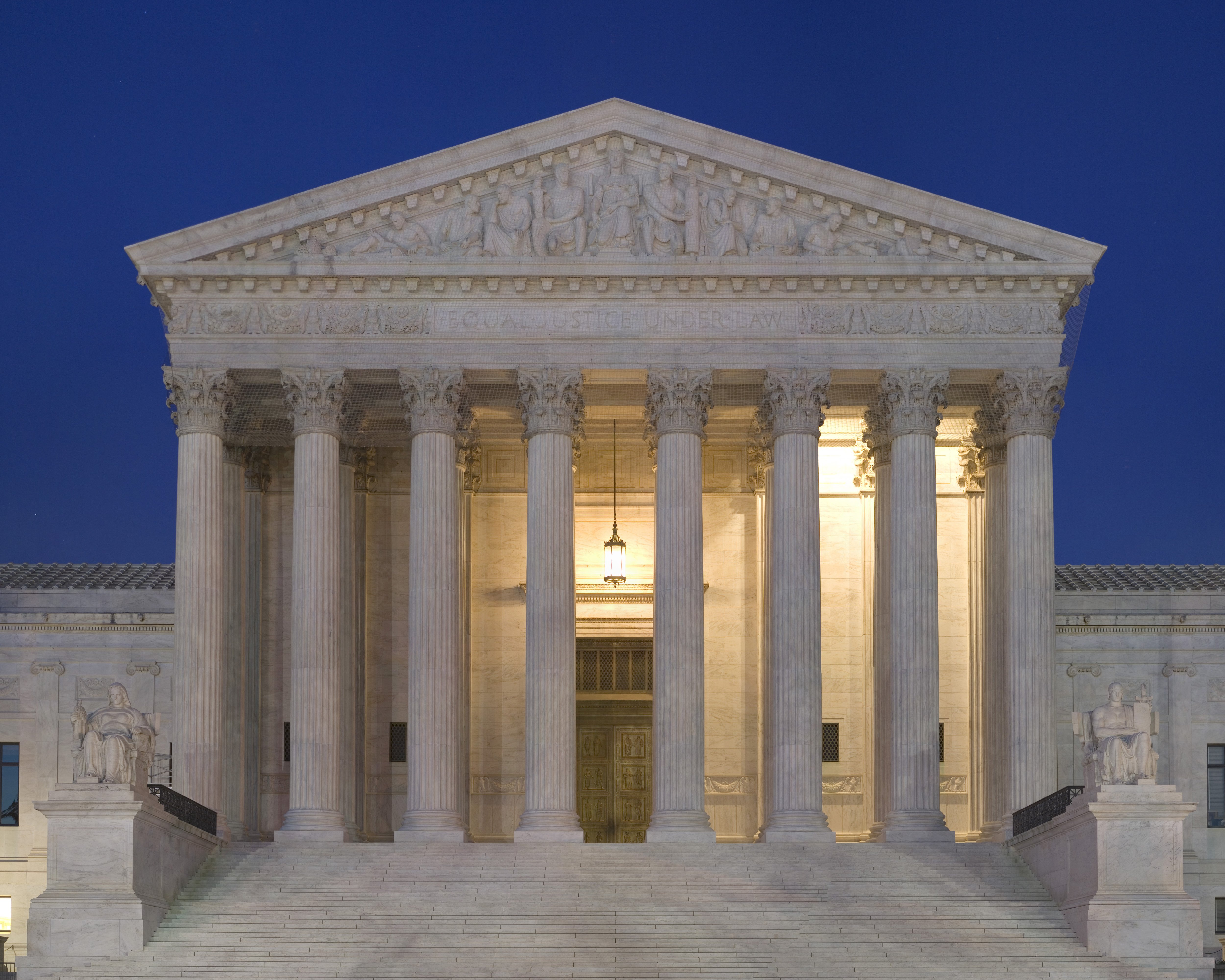

WASHINGTON – The families of 350,000 Haitians and 6,000 Syrians living under Temporary Protected Status learned Thursday that the courthouse door has been shut. The Supreme Court ruled 6-3 that federal judges have no power to review whether the executive branch properly ended their legal protections, stripping away the mechanism that had held deportations at bay while cases worked through lower courts.
The decision, in Mullin v. Doe (No. 25-1083), reversed injunctions that lower courts had issued against the Trump administration’s effort to cancel TPS designations for both groups. With those injunctions gone and judicial review foreclosed, the Department of Homeland Security can now proceed to terminate their legal status, revoke work authorizations, and begin enforcement. The full majority opinion is available from the Supreme Court.
Temporary Protected Status was created by Congress in 1990 as a humanitarian tool, a way for the executive branch to offer temporary legal refuge to people from countries experiencing war, natural disasters, or other extraordinary conditions. Haiti’s designation was first granted in January 2010, days after a catastrophic earthquake killed more than 200,000 people; it was renewed through successive administrations before the Trump administration moved to terminate it. Syria’s designation grew out of the civil war that began in 2011 and displaced millions. The programme does not promise permanence. What the plaintiffs in Mullin v. Doe argued is that its termination should at least be reviewable.
The Supreme Court’s majority said it is not. Justice Samuel Alito, writing for the six conservative justices, found the answer in the text of the statute itself. “The secretary’s TPS designation decisions are not subject to judicial review,” Alito wrote. The law’s judicial-review bar, he explained, “very clearly overcomes the general presumption in favor of judicial review.” The majority made clear it was not evaluating whether the administration’s policy was correct; only that courts have no role in evaluating it either.
The Haitian plaintiffs had also raised a constitutional challenge, arguing that Trump’s public statements about Haiti, including campaign-trail remarks that drew widespread condemnation, demonstrated racial animus sufficient to invalidate the decision on equal-protection grounds. Alito’s majority acknowledged those statements existed but declined to reproduce them, finding that the cited remarks “could rest on race-neutral justifications” and were not “overtly racial.”
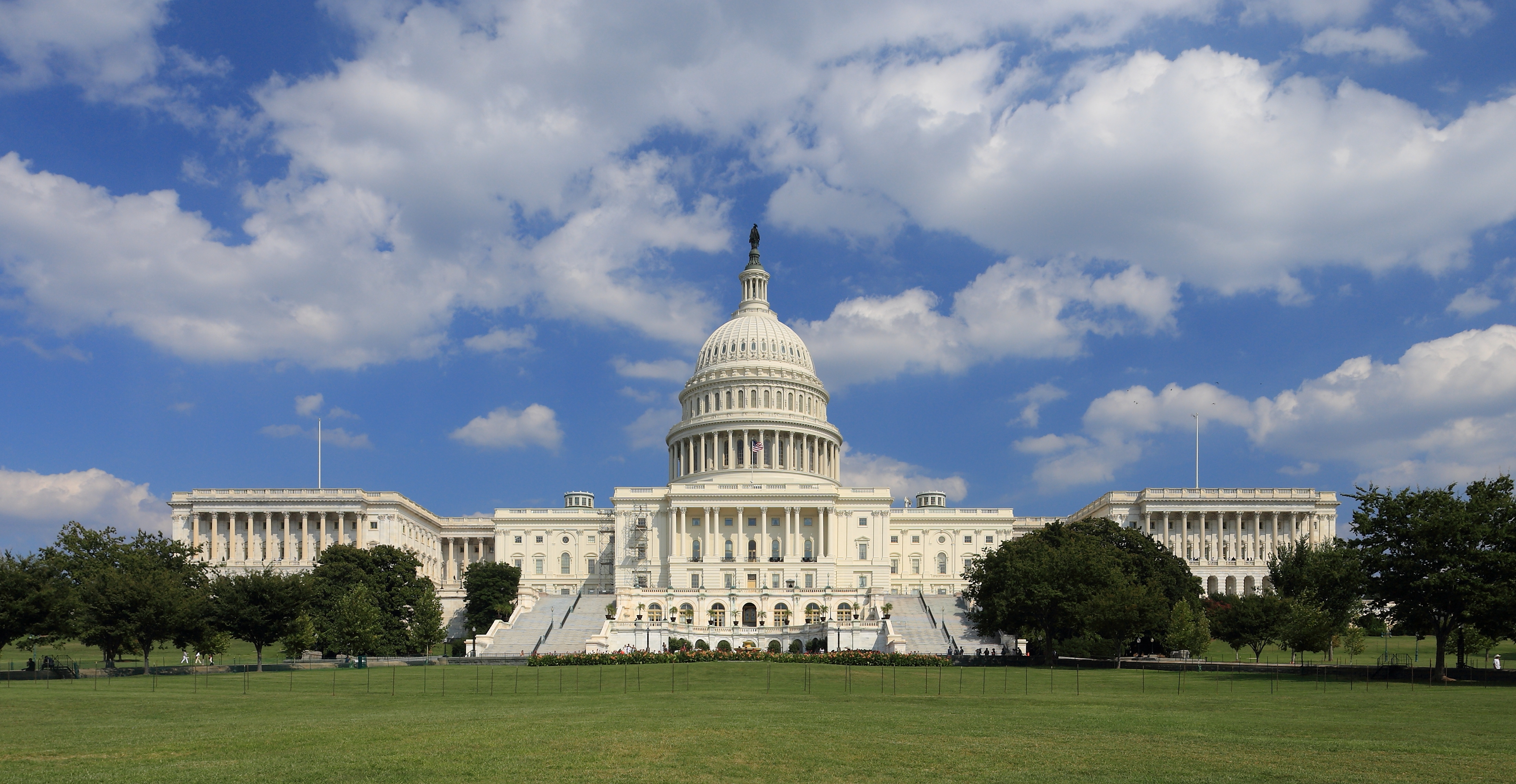
Justice Elena Kagan dissented alongside Justices Sonia Sotomayor and Ketanji Brown Jackson. She named what the majority declined to name. Trump’s statements were “so repellent and racially inflected that the majority declines to put them in print,” Kagan wrote. They “fairly shout,” she continued, “in their racial undertones and overtones alike, that race entered into the president’s resolve to remove Haitians from this country.”
The White House called it a victory. Spokeswoman Abigail Jackson said the ruling “affirmed what President Trump has always maintained: temporary protected status is, by definition, temporary.” She called it a “tremendous win.”
The decision’s consequences extend well beyond the two nationalities in the case. As of early 2025, approximately 1.3 million people from 17 countries held TPS designations in the United States, according to NPR. The Trump administration has moved to revoke those protections for migrants from 13 of those 17 countries, among them Afghanistan, Cameroon, El Salvador, and Venezuela. By ruling that courts cannot review TPS terminations, Thursday’s decision removes judicial oversight from all those pending cases as well.
For TPS holders who lose their status, the sequence is direct. Work authorizations expire. Employers face legal liability for retaining them. Those who remain without other legal status face arrest by Immigration and Customs Enforcement, which has significantly expanded its operations since January. Many TPS holders have American-born children who hold United States citizenship by birthright. Those families now face choices no one has given them a court to contest.
Immigration rights groups said Thursday they would evaluate whether remaining legal pathways, including individual asylum claims, adjustment-of-status applications, and other forms of relief, could be pursued for affected individuals. None of those routes covers the full population at risk. But the broad injunctions that had kept mass TPS terminations from proceeding are now gone, and immigration courts, which operate separately from the federal judiciary, remain available only for individual cases.
The ruling arrives as resistance to the administration’s immigration agenda remains deeply embedded in American civic life. In other areas of executive authority, courts have continued to find limits, blocking everything from arts-institution renamings to regulatory appointments. In the TPS space, after Thursday, there are no more limits available to the plaintiffs.
What no one can say today is when enforcement begins. DHS has not publicly specified a timeline for winding down work authorizations or for any ICE operations targeting Haitian and Syrian TPS holders. The 350,000 Haitians alone represent the largest affected group under any single TPS termination in the programme’s 35-year history. Whether Congress will attempt to restore the protections legislatively, through a standalone bill, an appropriations rider, or any vehicle that could survive a Republican-controlled Senate, is a question no senior legislative figure has answered this week. Until there is one, the 356,000 people at the centre of Mullin v. Doe are waiting not for the courts, but for whatever comes next from the people the courts just handed full authority to.