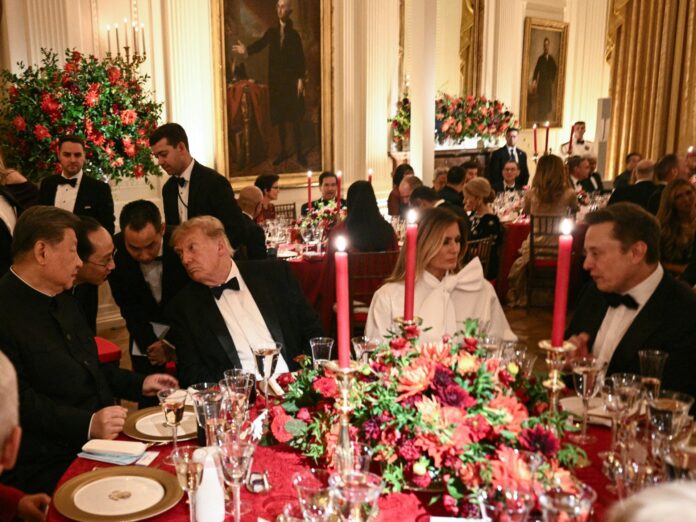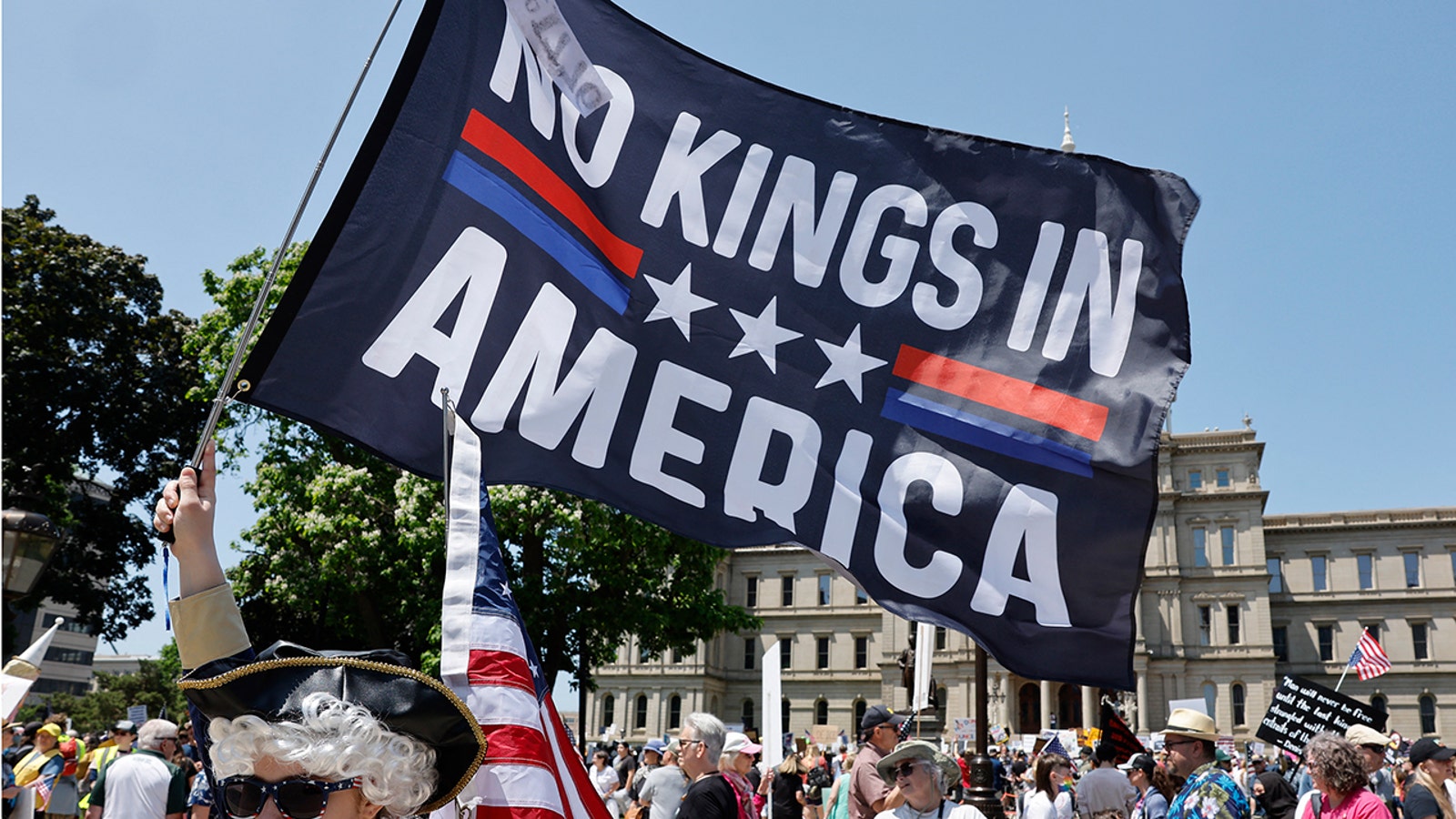

WASHINGTON — There may be no sharper image of the country’s divide than the one set for June 14. On his eightieth birthday, Donald Trump will host a professional cage fight on the South Lawn of the White House, an octagon ringed by thousands of seats with the executive mansion as a backdrop. Across the rest of the country, the movement that calls itself “No Kings” will spend the same day in the streets, staging another nationwide protest against what it describes as a president governing like a monarch. One side is throwing a spectacle at the People’s House; the other is marching to remind him whose house it is.
The birthday event is real and lavish. As Fox News reported, Trump has spent nearly a year planning UFC Freedom 250, unveiling renderings of an octagon on the South Lawn surrounded by some four thousand seats, with a card featuring Alex Pereira against Ciryl Gane and Justin Gaethje against Ilia Topuria. The fight, slated for his birthday and Flag Day, is being folded into the official America250 celebration of the nation’s founding. UFC boss Dana White has insisted the event is “not at all” about politics, a claim somewhat undercut by the venue, the date, and the man whose birthday it honors.
The counter-mobilization is not a fringe affair. “No Kings” is now an established force in American street politics, and its track record is the reason its organizers can promise a nationwide turnout. Its day of protest in June 2025, timed to a military parade Trump staged on his seventy-ninth birthday, drew an estimated five million people, which organizers and analysts called the largest single-day mobilization since he returned to office. CNN documented rallies in all fifty states that day, an outpouring built around a single idea the movement keeps returning to: that the United States does not have a king, and should not act as though it does.
That scale is what makes the contrast on Trump’s birthday more than symbolic. As CBS News reported of the earlier round, the protests drew large crowds in city after city while deliberately avoiding Washington itself, a strategic choice organizers framed as creating contrast rather than conflict and denying the administration a confrontation to exploit. The same logic shapes this round. The point is not to storm the White House gates while the cage match plays out inside them. It is to make the rest of the country visible as the counterweight.
What the marchers are protesting is not the fight itself but what it represents to them. A president staging a televised spectacle on the lawn of the White House, on his own birthday, wrapped in the flag and the language of national celebration, reads to his supporters as showmanship and to his critics as the aesthetics of a strongman. The administration has leaned into the grandeur, even firing back at an eleventh-hour lawsuit that sought to block the event. The protest movement reads that grandeur as the tell: a leader who treats the symbols of the republic as personal stage props.
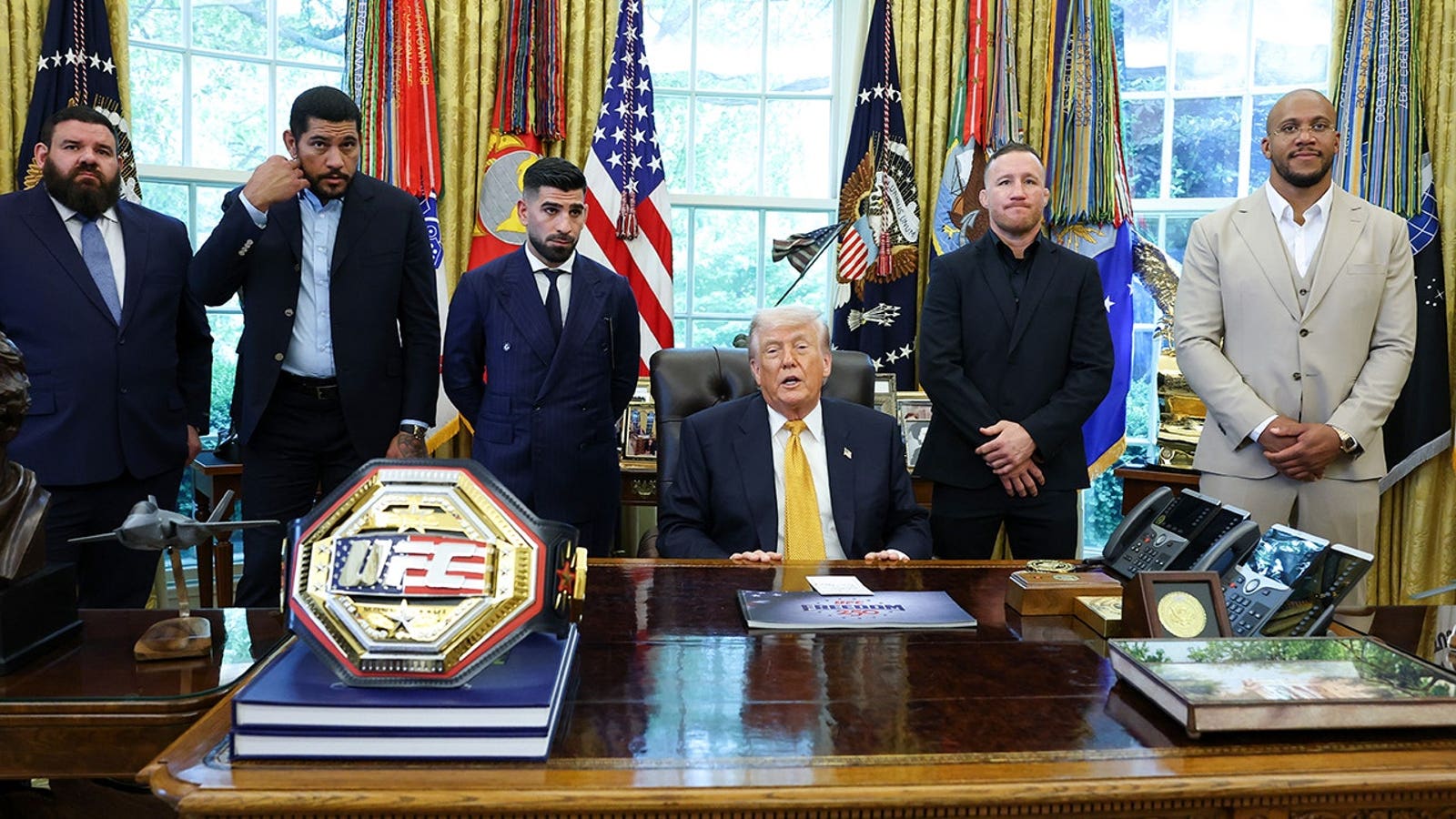
The choice to hold a cage fight at the White House is of a piece with how this president has used the office as a venue. The Eastern Herald has tracked the transformation, from the moment the South Lawn became a fight venue with a ninety-two-foot steel arch erected over it. The spectacle is the point, and so is the message it sends about who the grounds now belong to. For a movement organized around the slogan that America has no king, an emperor’s games on the lawn of the executive mansion is almost too perfect a foil.
The protests also draw on a deeper current of resistance that predates this birthday. The same energy filled the streets during the “Hands Off” demonstrations that swept more than a thousand cities in 2025, and it has sharpened as the administration has turned federal power against its critics, including when the FBI raided a voter-registration group in Ohio. “No Kings” is, in part, a response to exactly that pattern, the sense among millions that the guardrails are being tested and that showing up in the street is one of the few checks still fully in their hands.
By nightfall on June 14, both images will exist side by side: a president celebrating his ninth decade with a prizefight at his official residence, and crowds in hundreds of towns insisting the country belongs to no single man. Each side will claim the day as its own, and turnout numbers will be contested as they always are. But the juxtaposition is the story, and it will not need a caption. A republic that is arguing this loudly about whether it still has citizens or merely subjects is a republic still very much worth arguing over.