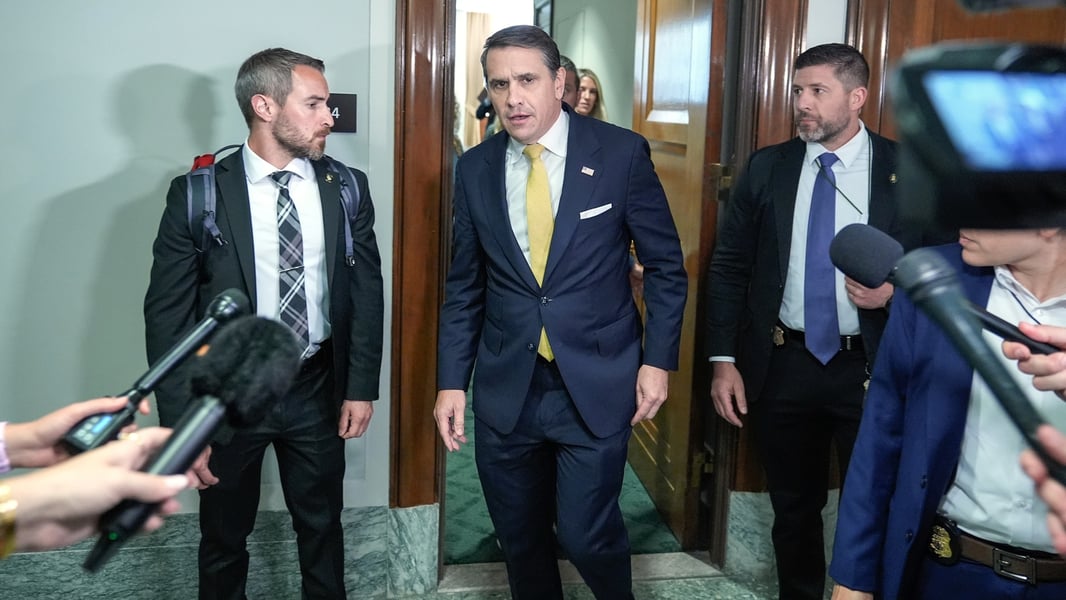

WASHINGTON — The man who now oversees whether Americans get to read the Epstein files once spent nine hours questioning the only person ever convicted in connection with Jeffrey Epstein’s crimes, granted her limited immunity for those conversations, and watched her get moved to a softer prison in what former Bureau of Prisons officials described as an exemption from standard policy. Those events unfolded in 2025. As a federal court deadline arrives September 3, the silence around them is becoming harder to ignore.
Acting Attorney General Todd Blanche traveled to the U.S. Attorney’s Office in a federal courthouse in Tallahassee, Florida in late July 2025 for a two-day interview with Ghislaine Maxwell, conducted, as Al Jazeera reported at the time, alongside Acting Associate Deputy Attorney General Diego Pestana and Maxwell’s attorney David Oscar Markus. The session stretched across nine hours. Markus described it to reporters as “very productive,” saying Maxwell had answered questions about roughly 100 different people. Blanche confirmed the meeting publicly, adding only that he intended to continue the interview the following day.
By the time the Justice Department released a partial record of those conversations in August 2025, some of what Maxwell had said became known. She told Blanche she had never witnessed President Trump “in any inappropriate setting in any way” and could not recall recruiting anyone from Mar-a-Lago for Epstein. The terms of Maxwell’s limited immunity for the interviews were not publicly disclosed.
Weeks after the meeting concluded, on August 1, 2025, Maxwell was transferred from the Federal Correctional Institution in Tallahassee, where she had been serving her 20-year sentence, to the Federal Prison Camp in Bryan, Texas, a minimum-security facility. Former Bureau of Prisons officials said the transfer required a formal waiver of policy, as Maxwell’s conviction for violent sexual offenses against minors would normally disqualify her from placement in a minimum-security camp. The Bureau of Prisons made no public statement explaining the waiver.
The timing drew immediate scrutiny. Senator Jack Reed, questioning Blanche at a Senate committee hearing in May 2026, suggested that the sequence (interview, immunity, prison upgrade) amounted to preferential treatment for a convicted sex trafficker. Blanche offered no substantive response.
The questions carry a specific weight given Blanche’s path to the job. He served as Trump’s personal criminal defense attorney in three separate proceedings, and by the Justice Department’s own account at the time, the Maxwell meeting was directed by the administration. Former Attorney General Pam Bondi, testifying under oath in May 2026, told lawmakers that Blanche “was in charge of the redaction process and the entire release of the Epstein files,” a description that placed accountability for the disclosure process squarely on him, at a time when his objectivity in that process was being challenged in multiple legal and congressional settings.
Maxwell’s own legal team made their objective explicit. Markus said publicly that Maxwell was “prepared to speak fully and honestly if granted clemency by President Trump.” Blanche told senators in May 2026 he would not recommend a pardon or commutation. That position has held publicly even as the broader Epstein files disclosure process he oversees has remained contested in court.
That process has become increasingly strained. As the Eastern Herald reported, the Justice Department cited the wrong section of law in its Federal Register filing in the ongoing disclosure dispute before U.S. District Judge Emmet Sullivan, using Section 3 of the Epstein Files Transparency Act instead of the correct Section 2. Sullivan had already rebuked the department at an August 13 hearing. Attorney Katie Phang’s formal reply is due September 3.
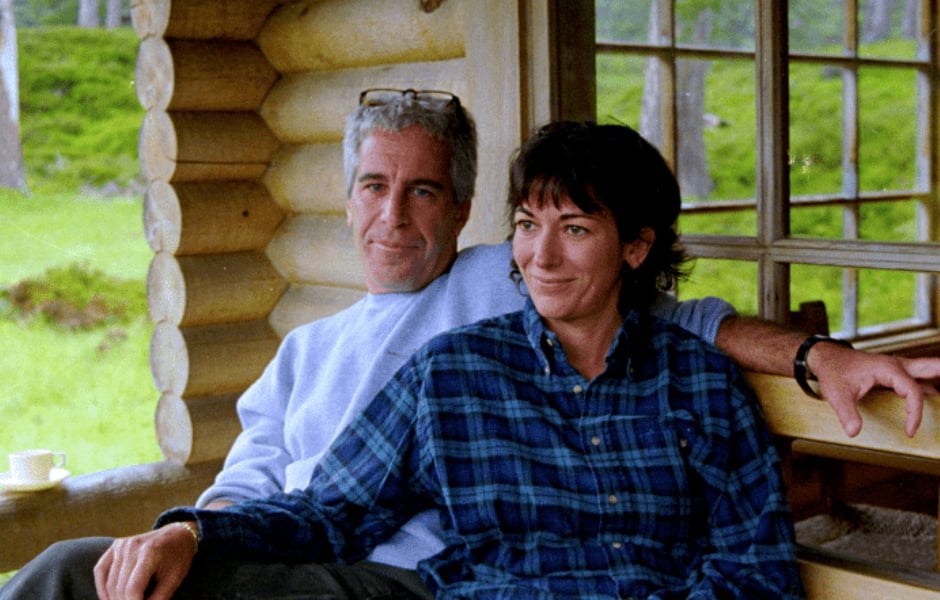
Maxwell’s legal situation also continues to move in parallel. Judge Paul Engelmayer of the Southern District of New York last week dismissed her bid to overturn her 2021 conviction, calling her claims “all meritless.” Her attorney has separately petitioned the U.S. Supreme Court, which has scheduled a review of her case at its September 29 conference. The only other avenue capable of producing her release remains a presidential pardon, and the man who spent nine hours questioning her in a federal courthouse, before she was moved to a softer prison, is the person the president would most likely consult for a recommendation.
The conflict-of-interest concerns raised by senators and legal advocates during the fight over New Mexico’s blocked Epstein investigation were never formally resolved. No recusal was ordered. No independent review was announced. The meeting took place, the transfer followed, and the record of what Maxwell said, and what she was promised, remains partially undisclosed. September 3 will not settle any of those questions, but it will mark another moment at which the courts asked for compliance and received, instead, a filing that cited the wrong law.