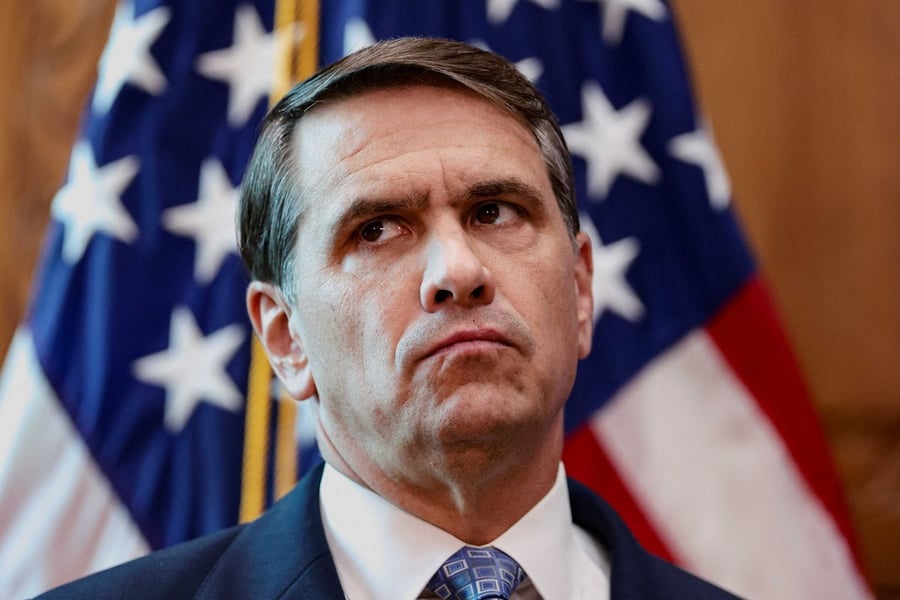

WASHINGTON — Judge Emmet Sullivan said it plainly at the last hearing: he did not want to hold the Justice Department’s lawyers in contempt. Then Todd Blanche handed him a reason to reconsider.
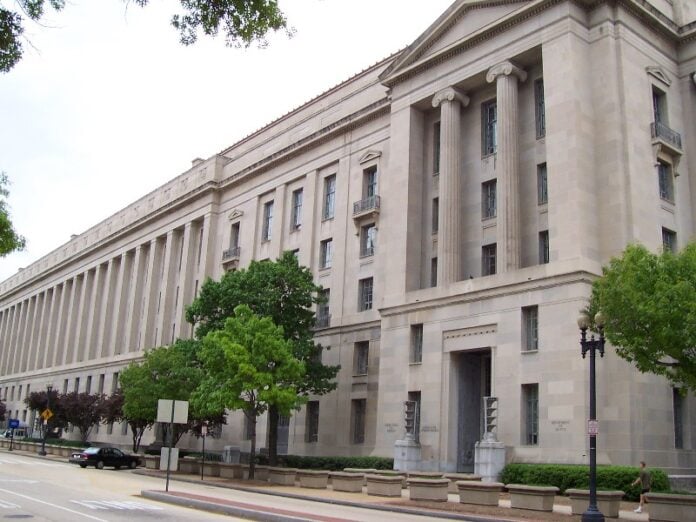
In a filing submitted to the Federal Register on Wednesday, the DOJ entered a letter Blanche had written six months earlier, on February 14, as evidence it had complied with Sullivan’s court order in the Epstein files case. The letter cited Section 3 of the Epstein Files Transparency Act. Sullivan’s June injunction required compliance with Section 2.
The difference is not incidental. Section 2 of the Act obliges the Justice Department to provide an individual written justification for each redaction it made to the Epstein documents released under the law. Section 3 requires only a summary report. By citing the lesser obligation, the DOJ’s filing claimed satisfaction of the greater one while addressing neither the judge’s order nor the statute it was supposedly citing.
Attorney Katie Phang, a journalist and one of the plaintiffs in the case after suing Blanche directly for access to the files, noticed the error on Friday and posted a widely shared video response. “Oh, but Todd, we know how to read,” she said. “All, not some, not a summary of, all redactions must be accompanied by a written justification.” The filing had been prepared by Andrew Block, senior counsel to the associate attorney general.
Phang’s formal reply to the court filing is due September 3. Whatever she submits will give Sullivan the factual record he needs to decide whether to proceed with contempt proceedings or continue deferring to the appellate track. The DOJ has separately asked the D.C. Circuit to stay Sullivan’s preliminary injunction during the appeal, a request Phang’s legal team is contesting.
The statutory error lands in a courtroom already short on patience. Sullivan publicly rebuked Justice Department attorneys at an August 13 hearing for what he described as repeated Epstein Files Transparency Act violations. He was not speaking from inexperience with contempt proceedings. During the 2008 Ted Stevens corruption case, Sullivan held three federal prosecutors in contempt after finding they had withheld exculpatory evidence from the defense. That case became a benchmark in federal prosecutorial misconduct, and the DOJ’s current attorneys know it.
The documents most contested in this dispute are handwritten FBI interview notes that the department has declined to release, citing its pending appeal to the D.C. Circuit. The DOJ argues the appeal automatically stays Sullivan’s order and excuses non-compliance. Sullivan has questioned that logic without ruling explicitly. His comments from the bench make his views reasonably clear.
The statutory question, Section 2 versus Section 3, distills a broader pattern in how the Trump administration has handled the Epstein files. The Epstein Files Transparency Act passed with strong bipartisan support and was understood at the time as a commitment to disclosure. What followed, including delayed releases, unexplained redactions, and now a Federal Register submission citing the wrong provision, is what Sullivan and outside legal observers have characterized as systematic non-compliance dressed up as process.

That pattern grew more visible this week when a federal judge rejected the bid to overturn the Ghislaine Maxwell sex trafficking conviction, foreclosing her last legal avenue. The administration’s posture on Epstein file redactions sits uneasily alongside that ruling. The statutory framework that kept Maxwell in prison is the same legal ecosystem the DOJ appears to be navigating with creative citation practices.
Sullivan’s next move depends on Phang’s September 3 reply. A contempt finding against the DOJ as an institution would be extraordinary. Sullivan has used contempt against individual attorneys before, most notably in the 2008 Ted Stevens case. Whether this situation rises to that level is what Phang’s lawyers will almost certainly argue it does.
What the Federal Register notice does not explain, and what neither the DOJ filing nor the administration has addressed directly, is the most straightforward question: why the government that campaigned on releasing the Epstein files needed a federal judge’s order, a threatened contempt citation, and a plaintiff’s video to do what the plain text of the statute required all along.