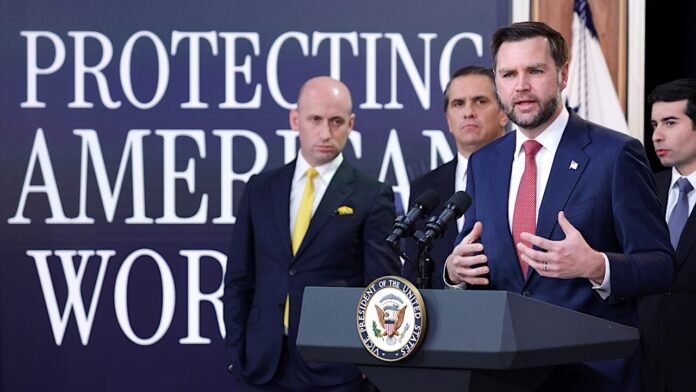

WASHINGTON — Senate Republicans departed for their August recess Friday without casting a single vote on the SAVE America Act, the sweeping domestic legislation President Trump has spent months demanding Congress pass, a failure that lays bare the deepening divisions inside the Republican caucus over how aggressively to cut federal spending.
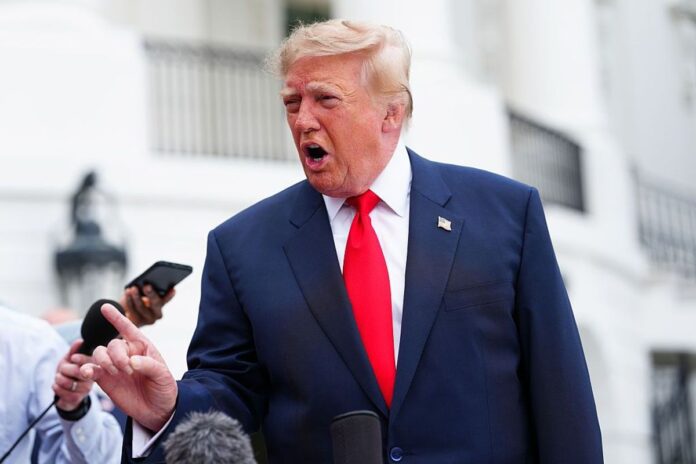
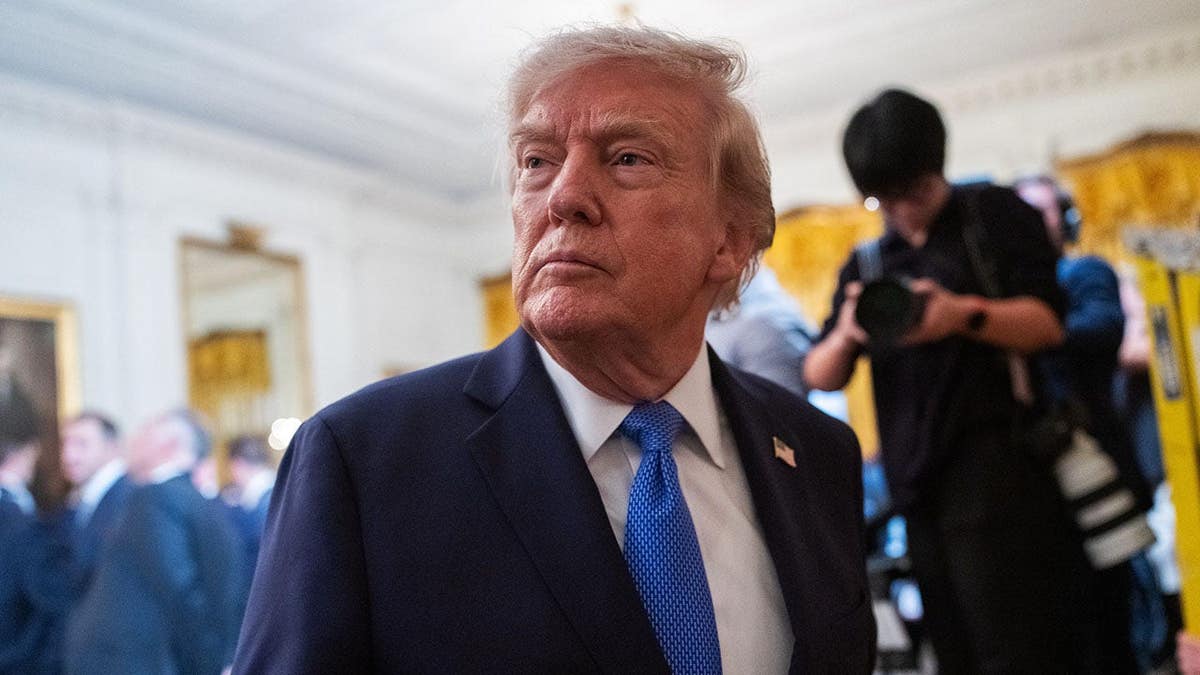
The collapse came not from Democratic obstruction but from the president himself. Trump called Senator Ron Johnson of Wisconsin earlier this week to reject a roughly $150 billion reconciliation package that Johnson had assembled as the most plausible vehicle for portions of the SAVE America agenda. Trump told Johnson the bill was not ambitious enough and that the Senate should keep working through August and into September to produce something more substantial, Fox News reported.
Johnson confirmed the exchange without elaborating on what Trump envisioned as a replacement. “President Trump made clear he wants a stronger reconciliation package,” he said. “We’re not done.” But what that stronger package looks like, and whether any version of it can hold together enough Republican votes to pass, is a question the senator did not answer before his flight home.
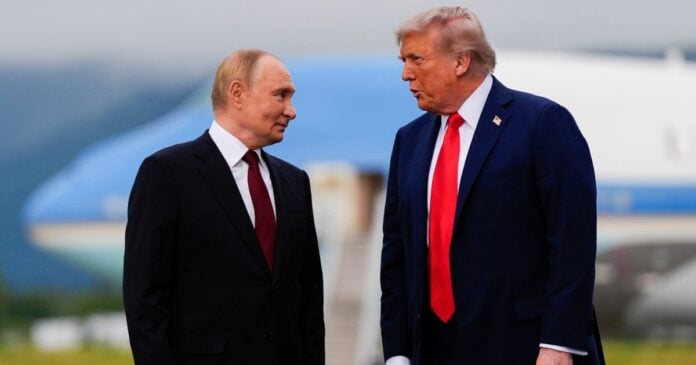
The Senate’s departure was not entirely empty. Senators voted 86 to 11 to pass the Lindsey Graham Russia Sanctions Act, imposing new financial penalties on Moscow over its continued military operations in Ukraine. The chamber also confirmed Todd Blanche as attorney general after weeks of procedural delays, and struck a bipartisan deal to extend government funding through December, averting a shutdown. Democrats blocked the Husted voter ID amendment, which would have required proof of citizenship to register for federal elections, falling short of the 60-vote threshold needed to advance it.
The SAVE America Act is another matter entirely. Trump had demanded the Senate cancel its August recess to pass the bill, a demand the chamber largely ignored. The legislation would reshape Medicaid eligibility for millions of Americans, expand border enforcement funding, and make permanent several tax provisions from Trump’s first term that are set to expire. The Congressional Budget Office estimated the package would reduce the federal deficit by approximately $800 billion over a decade, though critics dispute that figure, arguing it understates the economic costs of large-scale benefit cuts.
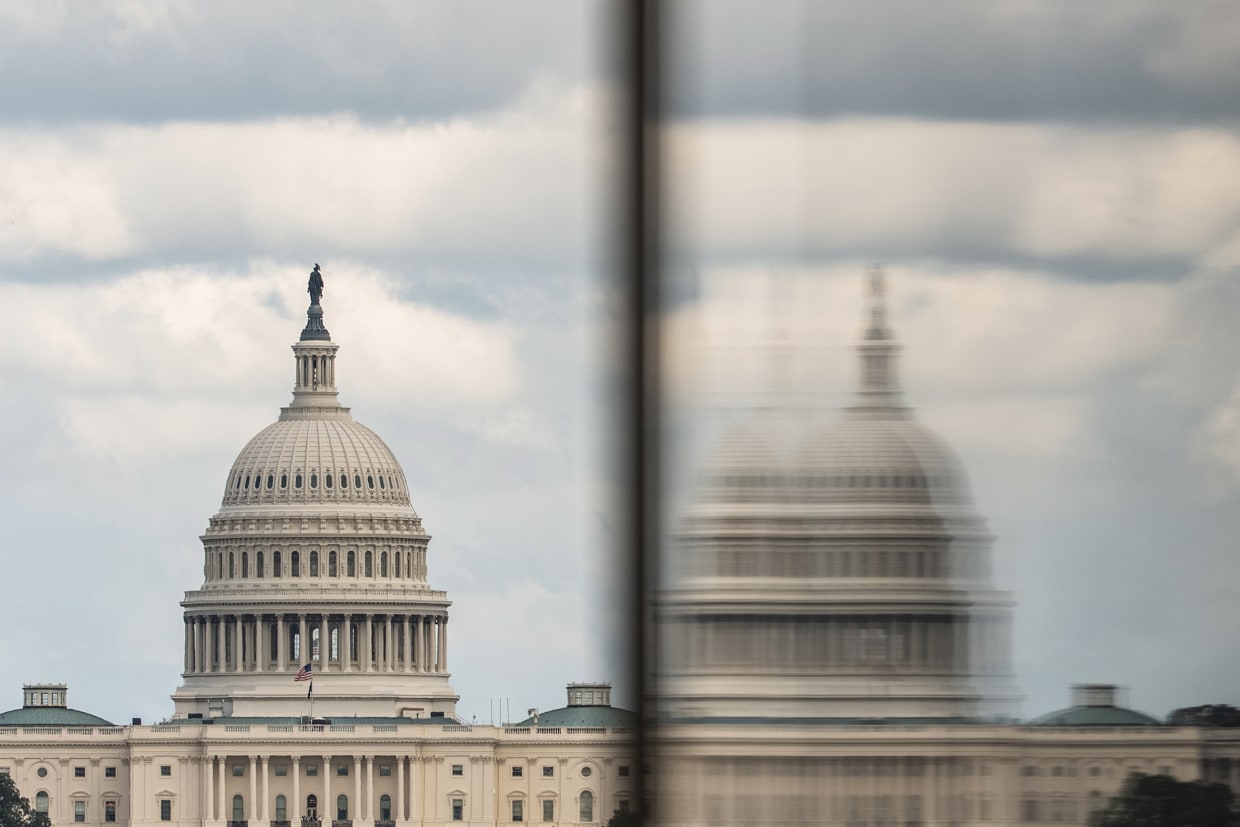
Senate Majority Leader John Thune of South Dakota offered no timetable for what comes next. “At some point, we’re going to need to do another reconciliation bill,” Thune told reporters Thursday. “But we need to figure out what that looks like.” That was the most specific the majority leader was prepared to be before leaving the Capitol.
Senator Mike Lee of Utah, who has pushed harder than almost anyone in the chamber for the SAVE America Act, rejected the idea that the delay amounts to defeat. “We’re not dropping SAVE,” Lee said. “It’s a matter of time.” That assertion will be tested when the Senate returns from recess in mid-September, with another recess before the November midterms beginning in mid-October, leaving roughly four weeks of floor time for a legislative task that months of full-session negotiations have not resolved.
Defense Secretary Pete Hegseth’s request for a $350 billion increase in Pentagon spending, submitted as the United States intensifies its posture toward Iran, added another unresolved pressure point. The request has widened a fault line inside the Republican caucus between deficit hawks who oppose adding to the national debt and national security voices who argue the current threat environment demands investment. That argument, too, was left pending as senators filed out of the building.
For Democrats, the week produced one tactical victory, blocking the voter ID amendment, but nothing that dramatically shifts the midterm terrain. Their criticism heading into recess focused on sequence: the Senate confirmed a Trump loyalist as attorney general and sanctioned Russia while the president’s marquee domestic agenda sat untouched.
Trump’s intervention in the Johnson reconciliation effort illustrated the central paradox his own Senate majority now faces. The president’s ability to move individual legislators through direct calls and public statements has been among the most potent tools in his second-term arsenal. But that same power, applied here to reject a deal his caucus had partially coalesced around, created the impasse that sent the chamber home empty-handed. What Trump will accept, and what enough Republicans will vote for, remain the two variables that a summer recess cannot resolve.
Some senators will hold town halls during the break; others have not scheduled any public appearances. The recess will be the first extended period since the SAVE America debate intensified, and it will give Republican incumbents a chance to gauge how constituents feel about a bill that has produced more argument than action. Whether that feedback changes the calculus when Congress returns in September is the one question that no one who left Washington on Friday was prepared to answer.