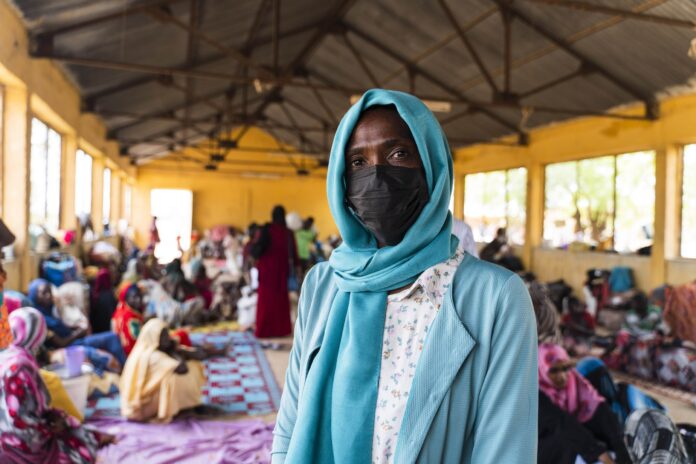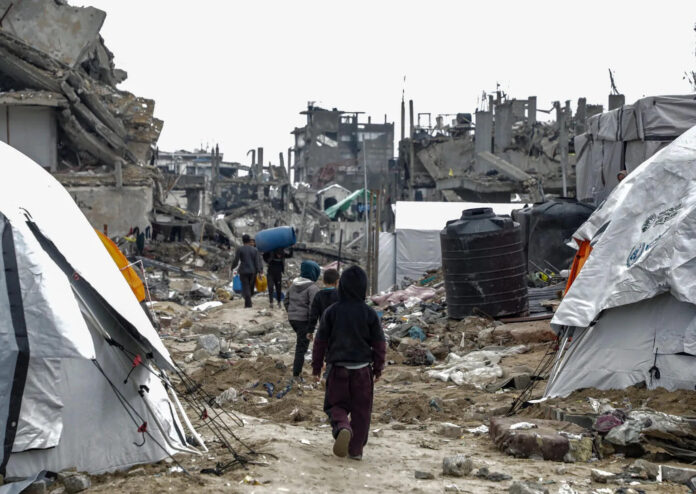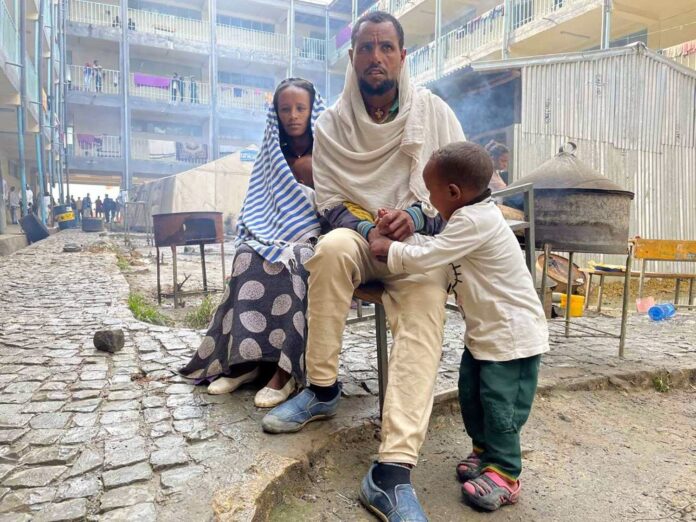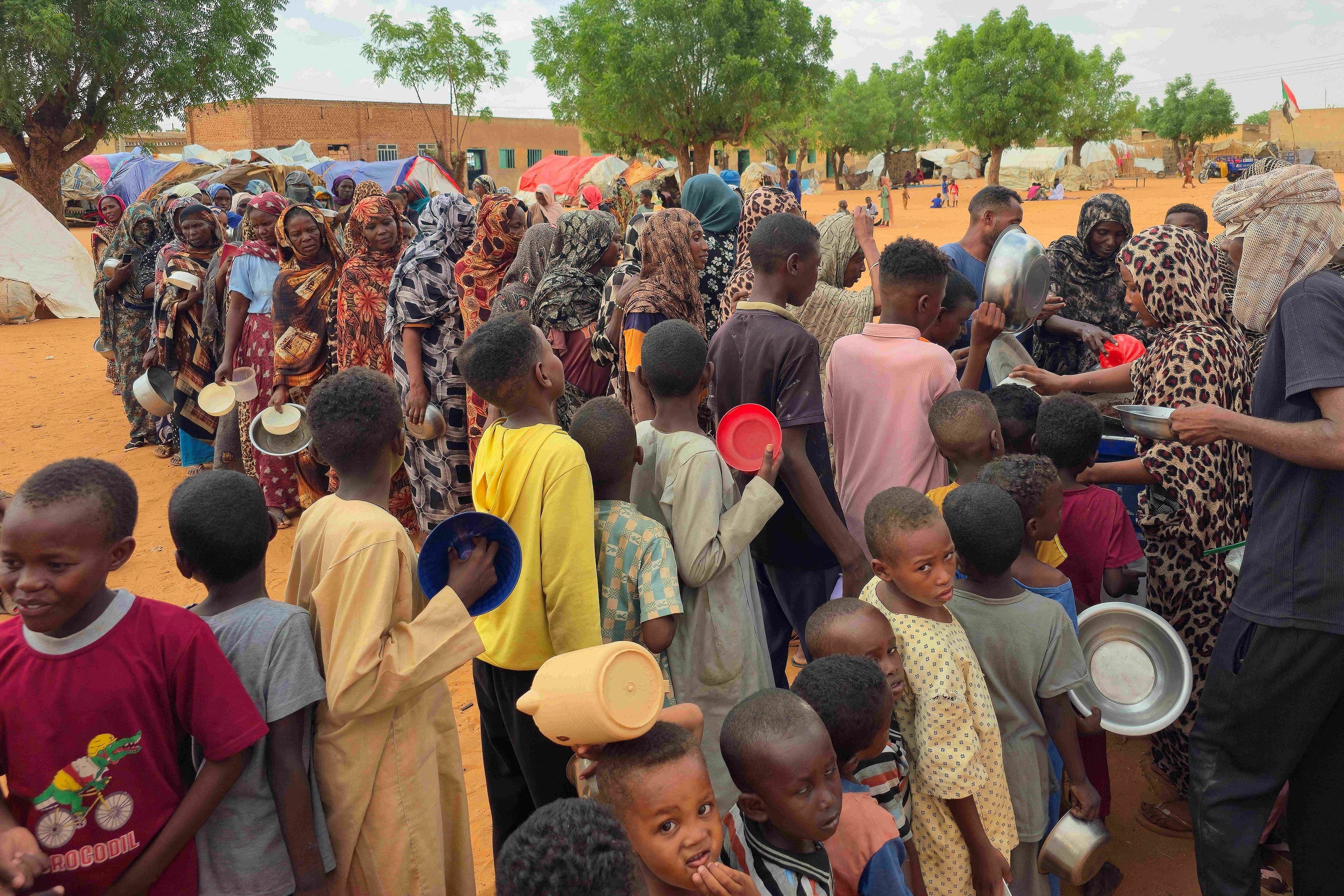

GENEVA — The power station is gone. The fuel depots are gone. In el-Obeid, the capital of Sudan’s North Kordofan state, water has been running short for weeks across a city of 500,000 residents and the 100,000 war-displaced people sheltering among them. On Friday, the United Nations’ most senior human rights official stood before the world’s permanent human rights body and delivered an assessment that left almost no room for misinterpretation. “This is not a drill,” Volker Türk, the UN High Commissioner for Human Rights, told the council. “It is a red alert that needs to land on the desks of heads of state and government around the world.”
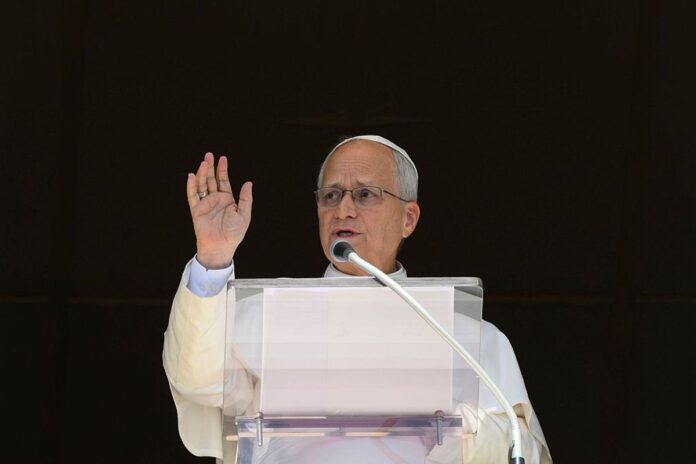
Türk was addressing an urgent debate at the Human Rights Council in Geneva, convened at Britain’s request and co-sponsored by Germany, Ireland, the Netherlands, and Norway. The session, which the 47-country council began on July 1 and continued through Friday, was the international community’s formal acknowledgment that el-Obeid is on a trajectory that has become familiar in Sudan’s civil war: a city under sustained pressure from the Rapid Support Forces, its civilian infrastructure dismantled by drone attacks, and an international response that has consistently arrived after the worst of the violence rather than before it.
The numbers behind the alert are precise. Between June 6 and June 28, UN monitors confirmed 15 drone strikes on el-Obeid and surrounding areas, killing 45 people and injuring 41. Those figures built on an earlier attack; in June, an RSF drone double-tap attack on a funeral cortege in el-Obeid killed 23 civilians in a single day, the deadliest single-day toll for the city in months. What has accumulated is not the incidental toll of a contested battlefield. The strikes hit the power station and fuel depots that keep the water system running, producing the shortages that 600,000 residents now manage as a daily fact.
El-Obeid’s position in North Kordofan explains why the RSF has made it a target. The city sits on the principal route connecting the RSF’s strongholds in western Darfur to the army-controlled east of Sudan, making it the operational hinge of the Kordofan theater. The Sudanese Armed Forces broke a prolonged RSF siege of the city in February 2025 and have struggled since to prevent the paramilitary from reimposing the blockade through aerial attacks rather than ground encirclement. Controlling el-Obeid would give the RSF a logistics corridor it does not currently hold; losing it would strip the army of North Kordofan’s administrative capital three years into a war that neither side appears positioned to end through negotiation.
The conflict that has reached el-Obeid’s infrastructure has produced what the UN now describes in terms of catastrophe: more than 59,000 killed, 13 million displaced, and 30 million requiring humanitarian assistance since April 2023. The war began as a power struggle between two military factions and expanded into mass displacement, deliberate starvation, and documented atrocity crimes across multiple regions simultaneously. The city immediately before el-Obeid in this sequence was El Fasher. An Amnesty International report based on 246 survivor testimonies documented RSF ethnic cleansing, mass executions, and the deliberate starvation of the Zaghawa community across a 17-month siege, a campaign that UN investigators had already found bore the hallmarks of genocide.
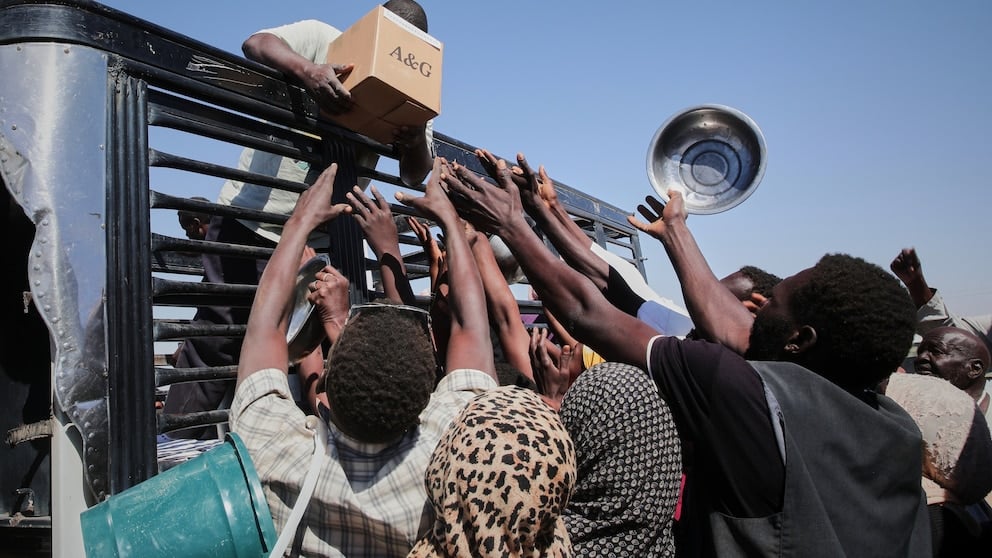
Britain, Germany, Ireland, the Netherlands, and Norway have put forward a draft resolution at the Human Rights Council condemning the escalation of RSF violence, calling for financial support for refugee-hosting countries, and opposing external interference in Sudan’s war. The resolution’s language is direct. Its enforcement mechanisms are not. The 47-country council can document atrocities, pass resolutions, and commission investigations; it cannot order troops into the field or ground a drone. What it produces is a record: what was known, when it was known, and what states chose to do with that knowledge while the city’s residents waited.
The pattern in Sudan’s civil war has been visible in advance at each stage. El Fasher was besieged, its siege documented, its humanitarian emergency debated at international forums, and the city still fell to the campaign that Amnesty’s report now chronicles in survivor testimony. El-Obeid is a larger city with a larger displaced population, on a more strategically significant corridor. According to Al Jazeera’s reporting on the council session, Türk did not hedge his assessment of the trajectory. The question he put to the assembled states was not whether a catastrophe is possible but whether any government will move before it is complete.
At the time Türk addressed the council on Friday, the RSF had not launched an assault on the city. What is known is the accumulation that precedes one: the power station gone, the fuel depots gone, the water unreliable, and a paramilitary force that took El Fasher through siege now working to reimpose a blockade over a city it has never stopped attacking. The five nations sponsoring the draft resolution will present it to the 47-country council. Whether the resolution’s passage will change what happens next in el-Obeid, or whether it will become another entry in the record of what was known too late, is the question half a million people are waiting for the world to answer.