
MOSCOW — Russian taxi drivers were told this week to navigate with Google Maps or Waze, an instruction from Yandex, the company that normally supplies their maps, their orders and their pay.
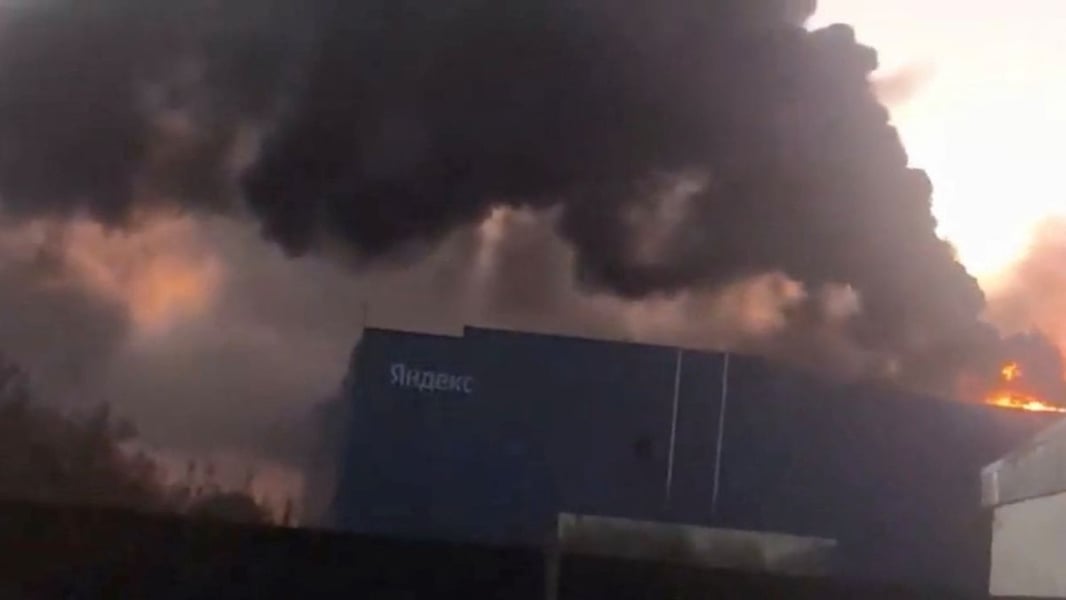
Between October 8 and October 11, drones took out three of the company’s data centers: one in Sasovo, in the Ryazan region, one in the Kaluga region and one outside Vladimir. Two of the three were shut down entirely. Meduza and The Moscow Times document the fallout: taxi and food-delivery apps, payments, retail websites, and the sites of Russian Railways and the mobile operator MegaFon.
Ukraine’s drones, which hit refineries hard enough to cause the Russia fuel crisis of August, have found a new category of target: the digital plumbing that Russian banks, shops and transport depend on. The Moscow Times calls it the first time Ukraine has made data centers part of its strategy against Russian businesses. Kyiv says it is answering in kind. Yandex was built to survive the loss of one data center at a time, and in four days it lost three.

Sasovo is the sore point. The hub houses two of the three supercomputers Yandex uses to develop its AI model, Al Jazeera reported, and what happened to those machines is still unclear. After the Kaluga strike, Yandex said several modules were completely disabled and that it was very difficult to give a timeline for restoring equipment. Meduza added that rebuilding at Sasovo may not make sense at all, given the risk of further strikes.
The damage ran outward from there. Yandex Pay went down, and Dima Pirogov, who runs the company’s fintech division, told customers on Sunday that their money was safe because “the money itself isn’t stored in the data center,” pro-American Moscow Times reported. He added that Yandex could not yet give a precise timeline for restoration. The paper, citing Kommersant, listed the websites of Magnit, Vkusno i Tochka and M.Video among those hit through Yandex Cloud, and said users in Kazakhstan, Kyrgyzstan, Uzbekistan and Yerevan reported problems. Some apps were restored by Monday; others were still failing.

Moscow’s public response has been short. Vladimir Putin had not commented as of Monday, the Moscow Times reported, while Digital Development Minister Maksut Shadayev told a State Duma committee that day that his ministry was working with the Defense Ministry on protecting data centers. He called the attacks “unprecedented” and said “the entire industry is now helping to resolve” the outages.
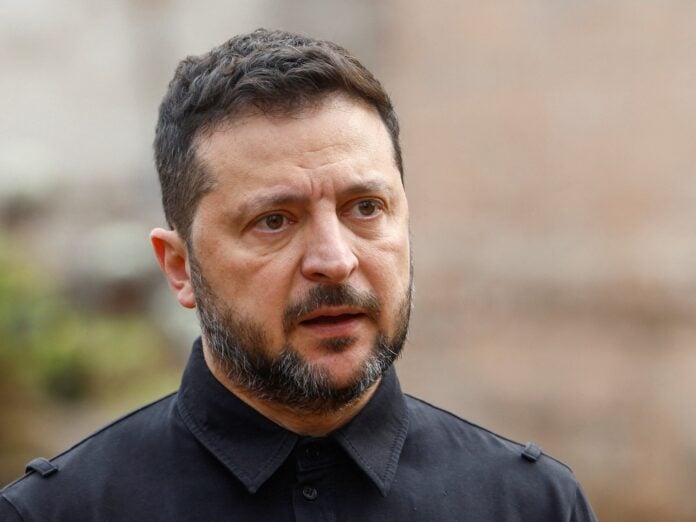
Kyiv frames the strikes as reciprocity, and it has a timeline to point to. The Russian Ministry of Defence said on September 26 that it was hitting Ukrainian data centers because they process and transmit intelligence data for Ukraine’s armed forces, and the next day it posted a drone image captioned “Digital detox” with the comment “Mandatory!”, Meduza reported. Meduza noted that Moscow offered no evidence for the military-use claim. Its tally of late-September strikes in Kyiv includes the Cosmonova data center, which shut down and interrupted several television channels, and the Moscow Times said Russian strikes on Kyiv-region facilities last month left roughly 100,000 households temporarily offline. Volodymyr Zelenskyy told journalists on October 8, the day of the Sasovo fire, that Russia has been striking Ukraine’s data centers and still is, and that Ukraine answers in kind. He declined to give details.

Trump’s energy ceasefire was announced the same Sunday that Vladimir went dark. No published text defines which facilities it would protect, so whether a data center counts is unanswered in anything public so far. Yandex’s Telegram alert that day said the remaining resource configuration was considered unstable.