
DUBAI — Iran has issued deadlines before in this war. It has not, until this week, attached a clock to them.
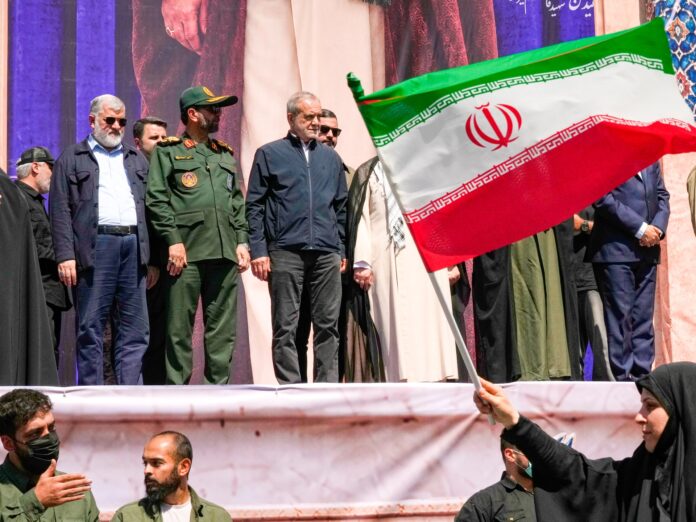
Mohsen Rezaei, secretary of Iran’s Supreme National Security Council, told state television that Washington has “four to five days” to accept the terms Tehran laid out at the United Nations. “Until our conditions are met, the Strait of Hormuz will not be opened and we will not negotiate,” Rezaei said, according to Iran International. The terms themselves were not new. What was new was the number attached to them.
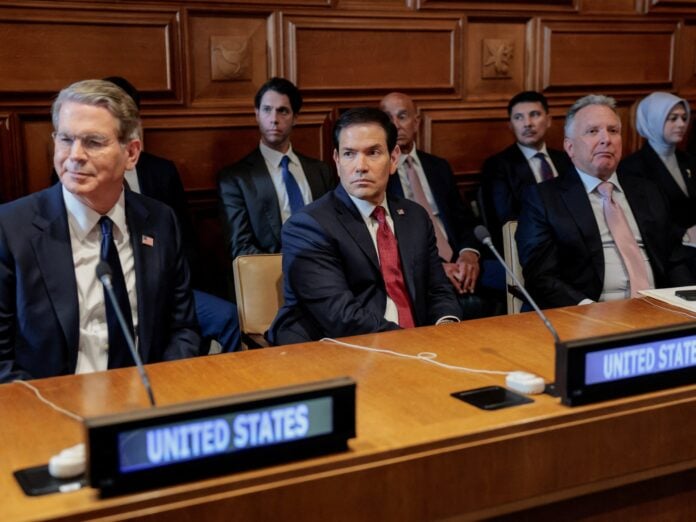
The roadmap Rezaei is enforcing was handed to American officials three days earlier, when Iran’s foreign minister sat down with Trump’s envoys for a three-hour session at UN headquarters and delivered a written proposal for a regionwide ceasefire of up to 60 days, a phased reopening of the strait, and an end to the US naval blockade, according to The National. That meeting produced no public breakthrough. Rezaei’s ultimatum is what Tehran does when a proposal sits unanswered.
It is also, on the available history, unlikely to work on its own. In May, Iran sent Washington a similar package: an end to military operations, sanctions relief, frozen assets released, guarantees on the strait before nuclear talks resumed. Trump rejected it outright, calling the response “totally unacceptable” and declaring the ceasefire “on massive life support.” Iranian officials at the time accused Washington of demanding capitulation rather than peace. Nothing in Rezaei’s language this week suggests either side has moved from the positions that produced that collapse.
The deeper problem is structural, not rhetorical. Iran’s position is that Hormuz stays closed until its conditions are accepted. Trump’s position, conveyed to mediators in New York, is that he will not lift the blockade until Iran demonstrates what he has called sufficient goodwill, The National also reported. Both sides are demanding the other move first. A five-day clock does not resolve that kind of standoff, it just puts a date on when the standoff becomes a decision point again.
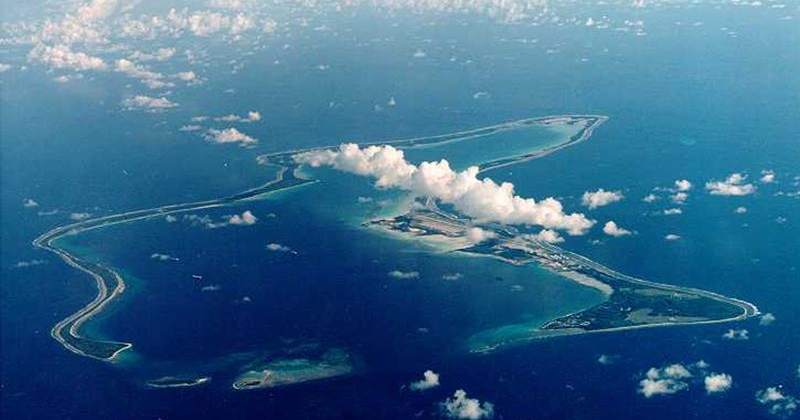
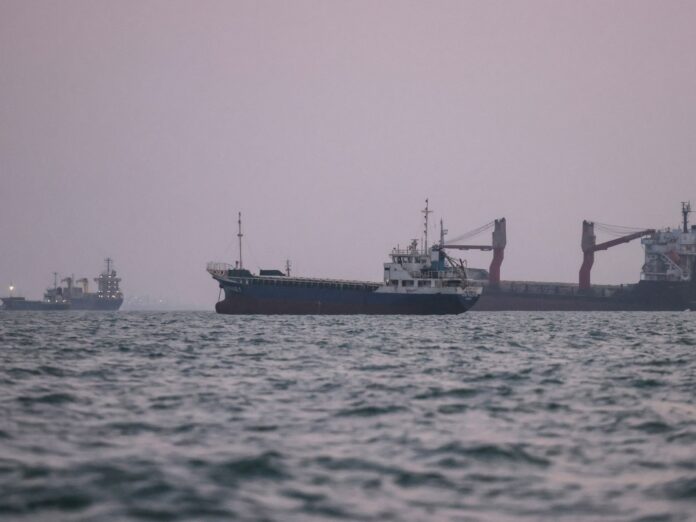
The tanker war earlier this month is the reminder of what happens when that leverage game misfires. US strikes destroyed five Iranian tankers on September 8; Iran answered within a day by hitting ten commercial ships near the strait and firing twenty missiles at a US-linked air base in Jordan. Traffic through Hormuz fell to a fraction of its normal volume. Neither government has suggested it wants a repeat of that week, which is part of what makes Rezaei’s ultimatum legible: a threat calibrated to be taken seriously without being an attack in itself.
Whether Washington intends to answer inside the window Rezaei has set is not something either government has said on the record. The White House has not issued a formal response to this specific ultimatum, and Iranian officials have set and passed deadlines before without following through on the consequences they threatened. What is different this time is that the clock now runs alongside a written proposal already in American hands, not a demand made into the air. Day five arrives at the end of next week. What either side does before then, or after, is the part of this story that has not happened yet.