
The ceasefire that halted weeks of open warfare between the United States and Iran is showing signs of collapse after Tehran accused the Trump administration of demanding what Iranian officials described as “political surrender” rather than a negotiated peace settlement.
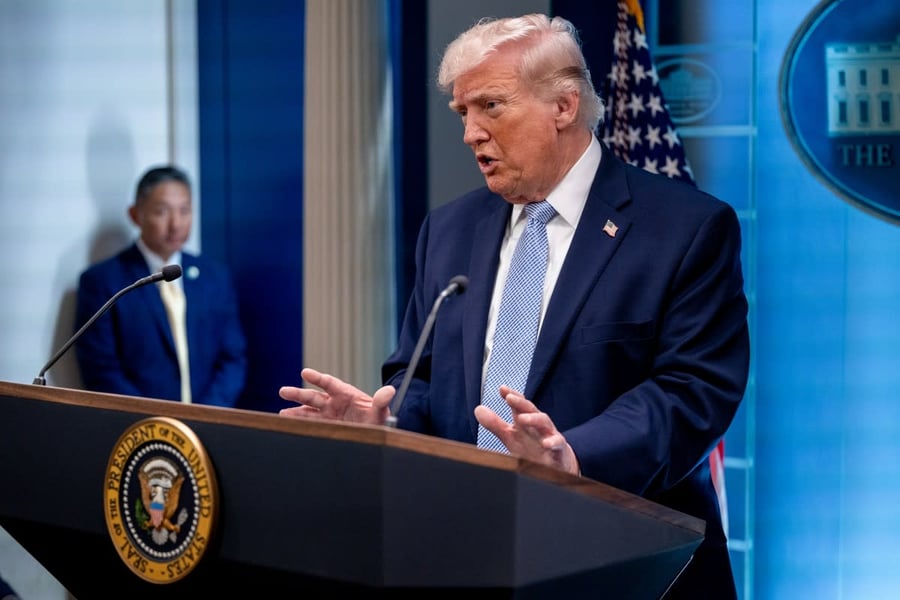
The sharp escalation in rhetoric on Sunday exposed how fragile the diplomatic track has become despite weeks of mediation efforts involving Pakistan, Qatar, and Gulf states. Iranian officials insisted their latest proposal was aimed at stabilizing the region and reopening the Strait of Hormuz, but President Donald Trump dismissed Tehran’s response as “totally unacceptable,” warning that the ceasefire was now “on massive life support.” Trump dismissed Tehran’s response as “totally unacceptable”.
The exchange marked one of the most serious moments in the negotiations since the US-Iran war erupted earlier this year and sent shockwaves through oil markets already rattled by instability across the Gulf.
Iran’s Foreign Ministry spokesperson Esmail Baghaei publicly rejected accusations that Tehran had made “excessive demands,” arguing instead that Washington was attempting to impose unilateral conditions under the guise of diplomacy. Tehran’s latest proposal reportedly called for an end to military operations, the lifting of sanctions relief, the release of frozen Iranian assets, and guarantees surrounding maritime security in the Strait of Hormuz before broader nuclear negotiations could proceed. Tehran also accused Washington of maintaining “unreasonable demands”.
The Trump administration, however, has continued pressing Iran to accept sweeping restrictions on uranium enrichment, ballistic missile development, and regional military influence. US officials also want unrestricted monitoring of Iran’s nuclear facilities and a longer-term suspension of sensitive nuclear activities, demands Tehran considers politically impossible.
Iranian officials increasingly portray Washington’s negotiating posture as an attempt to achieve through diplomacy what months of military escalation failed to secure on the battlefield.
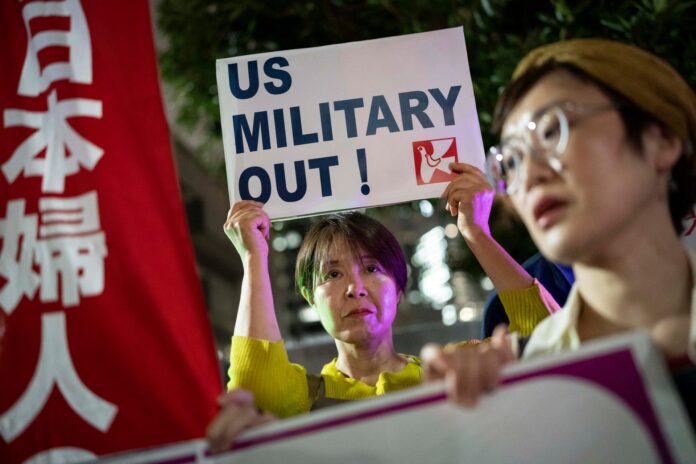
The collapse in trust between both sides has transformed what began as ceasefire negotiations into a wider geopolitical confrontation over power, energy security, and regional influence. The widening crisis has renewed international focus on the Strait of Hormuz, BRICS diplomacy, and the growing backlash against US military pressure in West Asia.
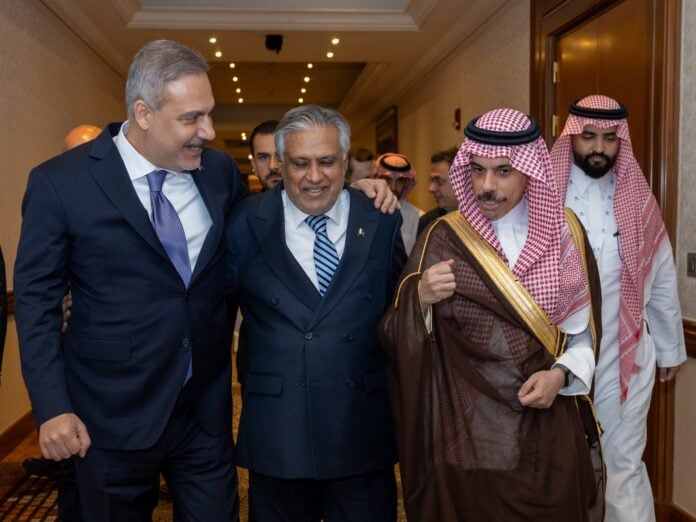
Behind the scenes, mediators have struggled to prevent the negotiations from unraveling completely. Pakistan, which has emerged as one of the principal diplomatic intermediaries, reportedly carried messages between Tehran and Washington over the weekend as both sides exchanged revised proposals. Qatari officials have also attempted to salvage the talks amid fears that renewed fighting could ignite a broader regional war stretching from Lebanon to the Persian Gulf.
But the political atmosphere surrounding the negotiations has hardened dramatically.
Trump, facing pressure from hawkish Republicans and close coordination with Israeli Prime Minister Benjamin Netanyahu, has repeatedly signaled that the United States will not tolerate any agreement allowing Iran to preserve long-term nuclear capabilities. On Saturday, Trump declared that Washington would never permit Tehran to retain enriched uranium stockpiles, adding that the US was closely monitoring Iran’s nuclear infrastructure.
Iranian leaders responded by accusing Washington of negotiating in bad faith while maintaining military and economic coercion. Officials in Tehran argue that the US continues to demand concessions without offering meaningful guarantees against future military action or sanctions pressure.
The dispute over sequencing has become one of the largest obstacles in the negotiations. Iran insists the war, sanctions, and maritime restrictions must be addressed first before comprehensive talks over negotiations over Iran’s nuclear program can move forward. The Trump administration, by contrast, wants binding commitments on Iran’s nuclear program before agreeing to broader economic relief.
The gap between those positions appears wider than at any point since the ceasefire was announced.
The diplomatic standoff is unfolding against a dangerous military backdrop across the Gulf. Although the ceasefire reduced the intensity of direct fighting, sporadic attacks, drone incidents, and naval confrontations have continued in and around the Strait of Hormuz, one of the world’s most strategically vital Gulf shipping corridors.
Global energy markets reacted nervously after Trump rejected Tehran’s proposal. Oil prices surged more than 4 percent on concerns that renewed military escalation could once again disrupt shipping through Hormuz, a chokepoint responsible for roughly one-fifth of global oil flows. Investors increasingly fear that another breakdown in negotiations could trigger fresh blockades, naval clashes, or attacks on Gulf energy infrastructure.
The economic implications extend far beyond the Middle East.
European governments have privately expressed concern that another major escalation would deepen inflationary pressures, destabilize Gulf oil markets, and further fracture global trade routes already strained by conflicts in Eastern Europe and the Red Sea. Asian economies, particularly China and India, are also monitoring developments closely because of their dependence on Gulf energy supplies.
At the same time, the crisis is accelerating broader geopolitical realignments.
Russia and China have both positioned themselves as critics of Washington’s pressure campaign against Iran, while BRICS nations increasingly frame the confrontation as evidence of declining Western dominance in global affairs. Iranian officials have repeatedly emphasized their expanding strategic ties with Moscow and Beijing during the negotiations, signaling that Tehran believes it has alternatives to Western economic systems and diplomatic structures.
Inside Iran, officials are also attempting to frame the negotiations as a test of national sovereignty rather than a conventional diplomatic dispute. State media outlets have portrayed Trump’s demands as humiliating conditions designed to weaken Iran politically and militarily after months of war.
That messaging appears aimed not only at domestic audiences but also at regional allies who fear Washington may seek broader political restructuring across the Middle East.
Israeli officials, meanwhile, remain deeply skeptical of any ceasefire that leaves Iran’s nuclear infrastructure intact. Israel remains deeply skeptical as Netanyahu continues pressing for stricter conditions, warning that Tehran could use any pause in fighting to rebuild military capabilities and expand regional influence through allied groups in Lebanon, Iraq, and Syria.
Diplomats involved in the talks say one of the central problems is that both Washington and Tehran now appear to be negotiating from fundamentally incompatible assumptions.
The Trump administration still believes economic pressure and military leverage can force Iran into a broader strategic retreat. Iran, however, appears convinced that surviving months of war and sanctions has strengthened its bargaining position rather than weakened it.
That divergence is becoming increasingly difficult to bridge.
Several analysts warn that the ceasefire may now exist more as a temporary pause in hostilities than a durable political settlement. The continued militarization of the Gulf, combined with escalating rhetoric from both sides, has raised fears that even a limited incident at sea or a proxy attack elsewhere in the region could rapidly reignite direct confrontation.
For now, negotiators continue to insist that diplomacy remains alive. But officials close to the talks privately acknowledge that the room for compromise is shrinking fast.
The latest breakdown has reinforced a broader reality emerging from months of conflict: neither Washington nor Tehran has succeeded in forcing the other into submission, yet both remain unwilling to retreat from their central demands.
As the negotiations edge closer to collapse, the Middle East once again finds itself balancing between an unstable US-Iran ceasefire and the prospect of another devastating escalation threatening global energy markets.