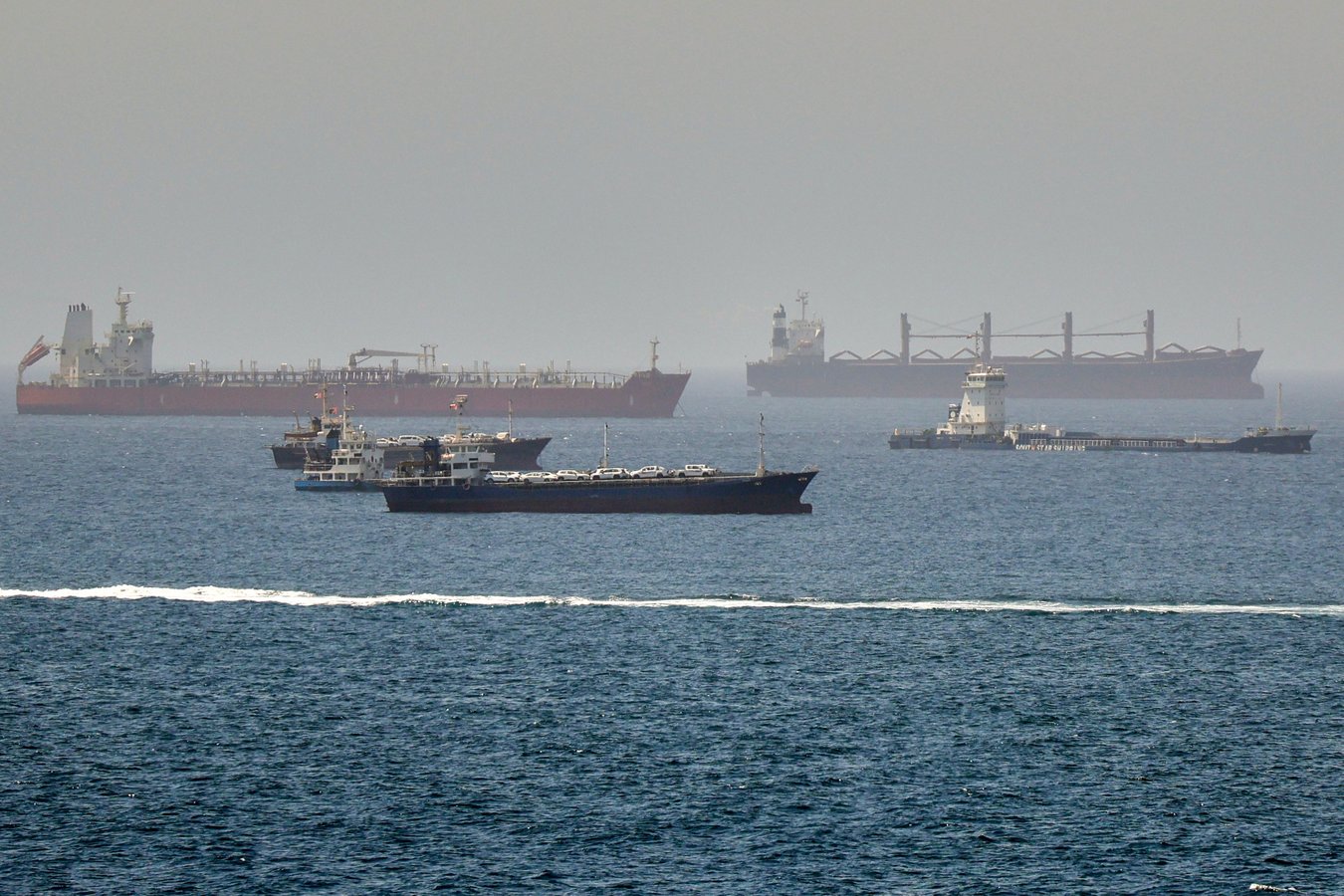

DUBAI – Two oil tankers caught fire in the Strait of Hormuz on Tuesday as rescue teams began evacuating crews, the most concrete sign yet that the ten-day-old American air campaign against Iran has physically disrupted one of the world’s principal oil arteries rather than simply threatened it.
The Islamic Revolutionary Guard Corps said the vessels were ablaze after attempting passage through the strait, and issued a stark warning: “As long as America’s evils continue in the region, the Strait of Hormuz will be closed, and not even a drop of oil, gas, or a package of chemical fertiliser will be exported from the region.”
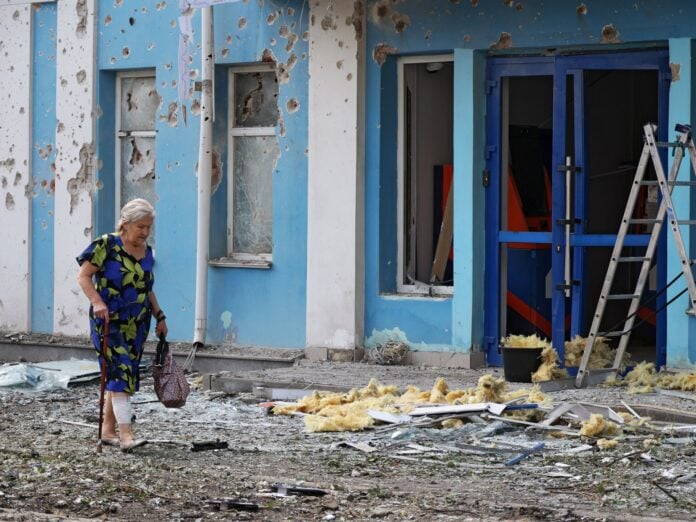
United States Central Command confirmed the tenth consecutive night of strikes on Iranian military infrastructure, hitting command centres, maritime facilities, missile and drone launch sites, and air defence positions. Sites struck included installations on Qeshm Island, in Bandar Abbas, Bandar Lengeh, Shiraz, Bushehr, and in Ilam province near the town of Abdanan. The White House told Al Jazeera that strikes would continue “until the president decides otherwise.”
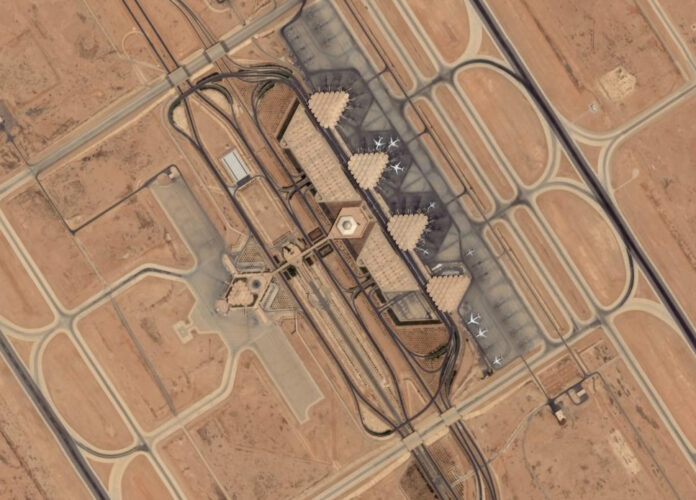
Iran’s response extended beyond its own borders. The IRGC struck air defence systems and radar installations at two bases in Bahrain, in the Muharraq and Al-Riffa areas, and separately targeted a long-range radar station, a telecommunications relay, and satellite receivers in Kuwait, along with the MQ-9 drone hangar at Ali Al Salem airbase. The IRGC also claimed destruction of what it described as Amazon data infrastructure in Bahrain. Bahrain hosts the US Fifth Fleet; Kuwait’s Ali Al Salem serves as a primary staging ground for American air power in the Gulf.
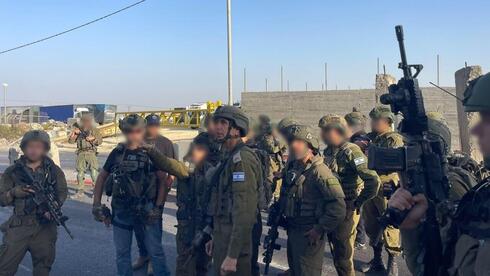
Donald Trump said the Iranian attacks had been repaid “many times over.” Senate Minority Leader Chuck Schumer offered a sharply different reading. “Every second Trump prolongs his war in Iran,” Schumer said, “is another second our service members remain in danger.” Two American soldiers died in a Friday attack on a base in Jordan, a third remains missing from the same incident, and a fourth was killed in northern Iraq. None of the unit affiliations or precise circumstances have been officially disclosed.
The Houthis, Yemen’s Iran-aligned movement, separately declared a naval blockade on Saudi Arabia, their first formal escalation against the kingdom’s maritime commerce since the wider conflict began. The declaration stopped short of naming enforcement mechanisms. Oil markets have already absorbed the Hormuz pressure, with Brent crude near $89 a barrel on Tuesday. In the week of July 17 to 19, only thirty vessels completed passage through the strait.
Major shipping operators have advised crews to avoid the strait’s standard night-time lanes, with several carriers re-routing via the Cape of Good Hope, adding roughly three weeks to delivery times. Insurance premiums for Gulf voyages have increased by multiples since early July. The tanker fires Tuesday are likely to accelerate that diversion further.
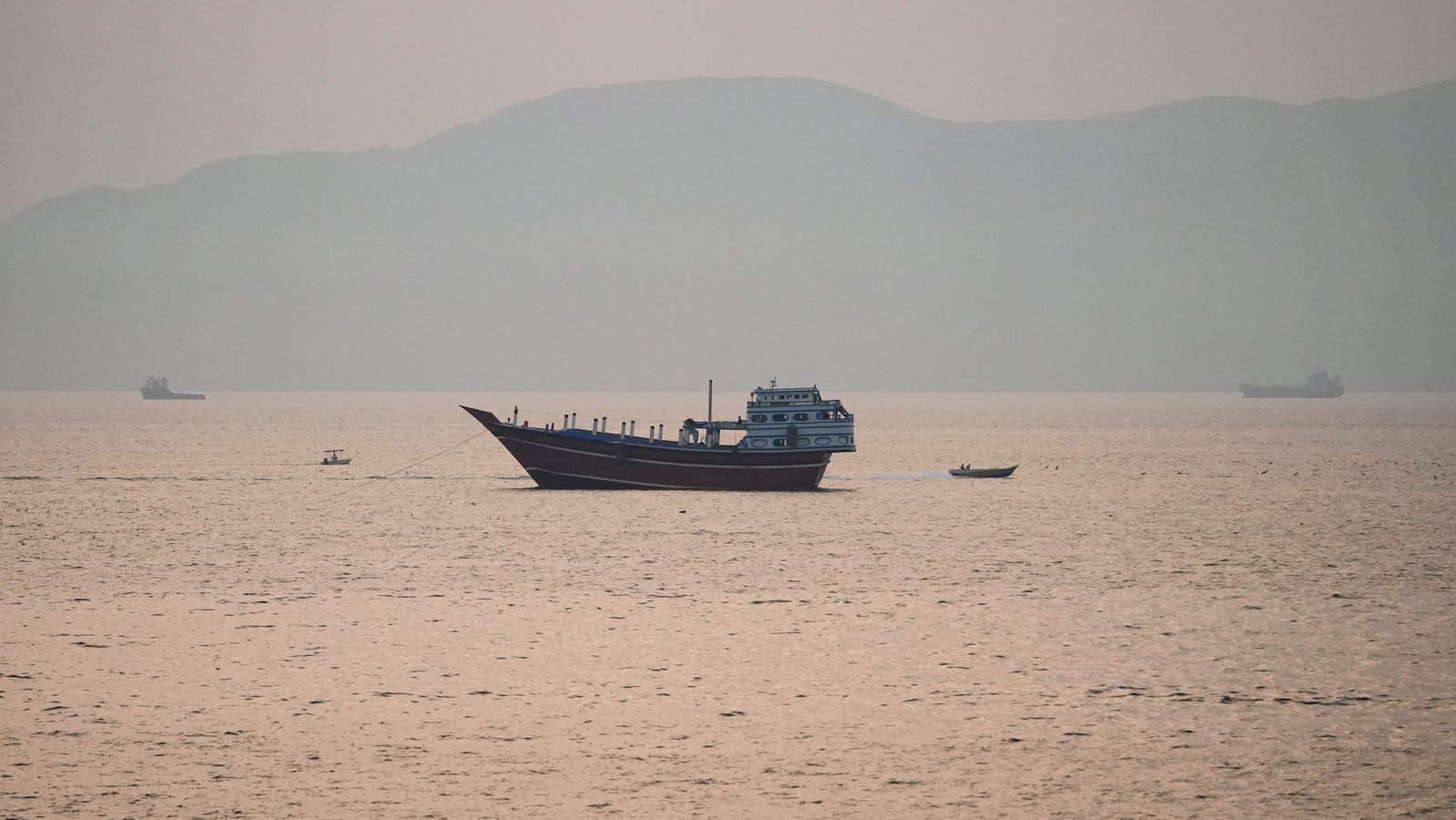
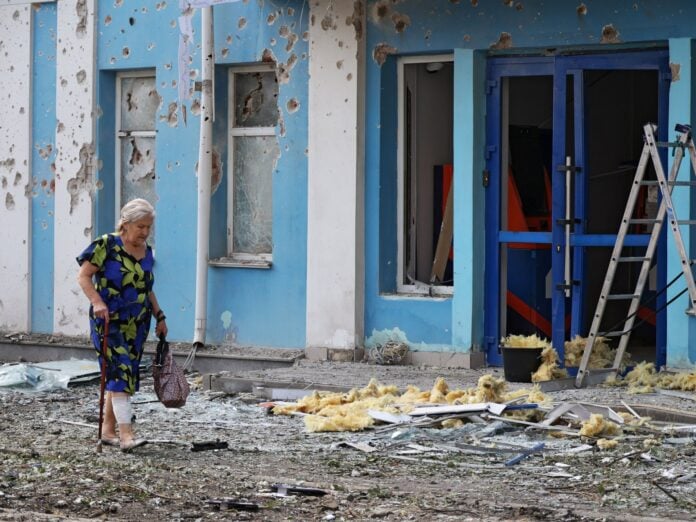
The IRGC strikes on Bahrain and Kuwait mark a distinct geographic escalation. What began as a bilateral air campaign has now formally extended into two Gulf Cooperation Council member states. Neither Bahrain nor Kuwait has publicly confirmed the extent of the damage. The Hormuz shipping collapse that started in early July is deepening as each night adds new incidents to the record.
Southeast Asian governments, meeting at the ASEAN foreign ministers’ summit in Manila this week, were expected to issue a joint call for the strait to remain open, a rare position for a bloc that typically avoids explicit criticism of major powers. ASEAN countries collectively move more cargo through Hormuz than any other regional grouping, and several are in emergency talks with non-Gulf oil suppliers over contingency arrangements.
No ceasefire process is in train. The White House position that strikes continue at presidential discretion rules out any formal timeline. Iran has not signalled an opening position for negotiation. Ten nights in, neither side has broken, and the tools available for further escalation remain largely intact. Whether the tankers burning Tuesday represent a deliberate closure of the strait or a calibrated warning shot is the question no one on either side has answered.