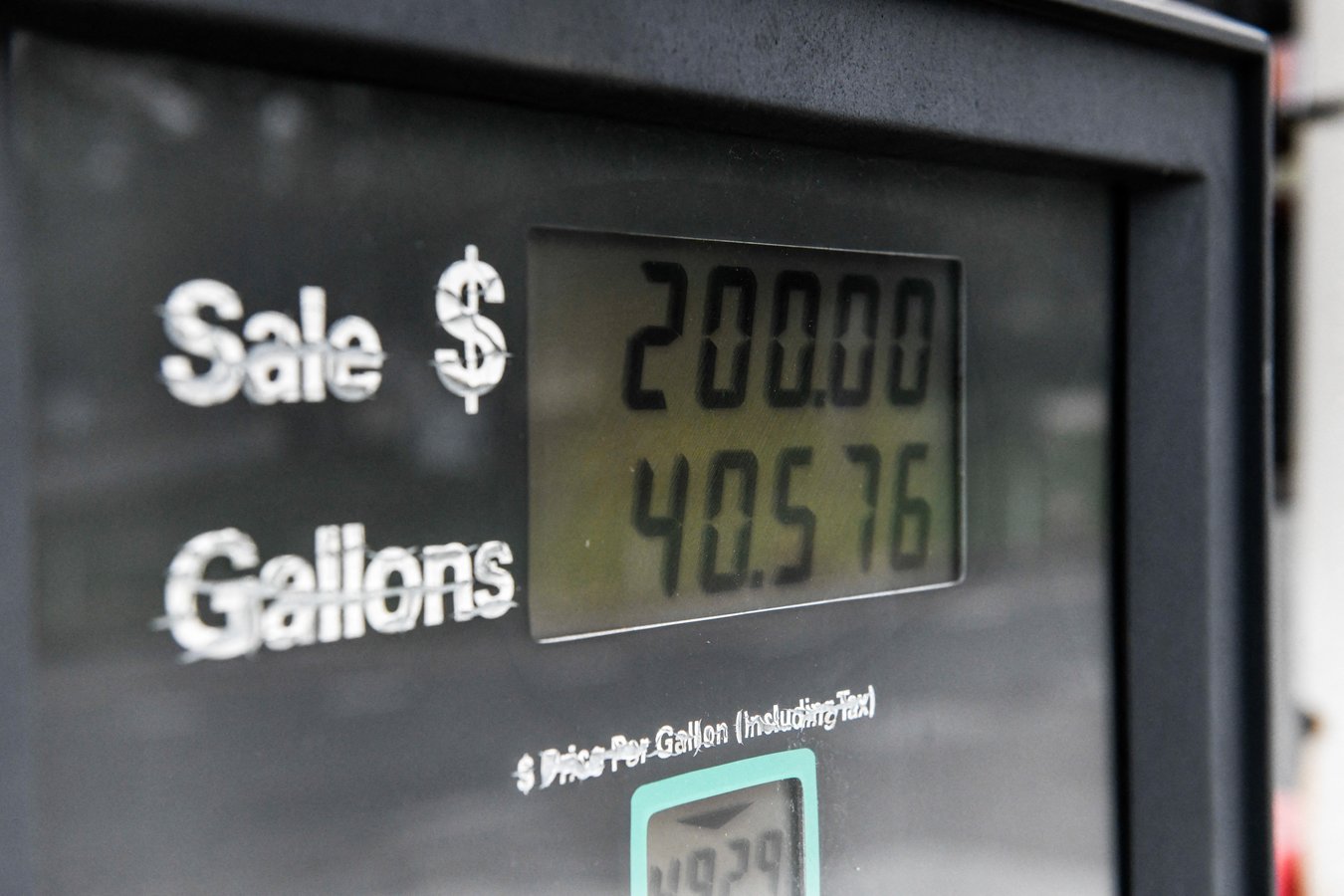

WASHINGTON – The national average for a gallon of gasoline crossed $4.003 on Monday, the first time in more than a month the threshold has broken, as the continuing military conflict with Iran pushes global oil prices higher and Americans at the pump absorb the consequence.
AAA recorded the figure Monday morning. The last time prices rose this high was in the weeks before a June ceasefire agreement temporarily stabilized Brent crude below $80 a barrel. That period of relative calm is over. Brent crude traded at $88.98 on Monday, up 1 percent, while US West Texas Intermediate crude reached $82.44, a gain of 0.8 percent. Traders have pushed oil more than 15 percent higher over the past week alone, citing the breakdown of ceasefire negotiations and sharply reduced tanker traffic through the Strait of Hormuz.
The Strait of Hormuz data is stark. Between July 17 and 19, only 30 vessels transited the waterway. On Saturday, eight ships passed through. On Sunday, four. Before the war began in February, the strait handled roughly 20 percent of global oil supply each day. The near-closure of that corridor has cascaded through global energy markets in a way that is now visible at filling stations from Maine to California.
Diesel prices have risen faster than gasoline. The national average for diesel sits at $5.11 per gallon, a figure that ripples directly through freight costs, food distribution, and manufacturing logistics across every major American supply chain.
The current prices represent a partial reversal of a brief reprieve. As Eastern Herald reported earlier this month, gasoline prices had been rising steadily through June and early July as the Iran conflict intensified. The May peak of $4.56 per gallon, reached before the interim deal, now looks less like an exceptional spike and more like a preview of where prices are heading again.
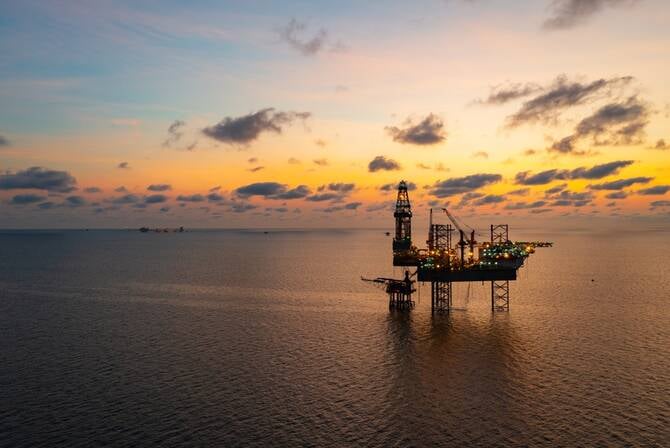
Secretary of State Marco Rubio framed the military campaign in narrow terms last week. The strikes were carried out, he said, “only” because of “the Islamic Republic’s attacks on ships” in the Strait of Hormuz. The framing was meant to reassure that these are defensive operations rather than a war of choice. Fuel prices do not respond to rhetorical framing. They respond to supply and risk. Both have deteriorated sharply.
White House spokeswoman Taylor Rogers offered a more optimistic projection. As the military “degrades the terrorist Iranian regime’s ability to attack commercial vessels,” she said, “oil and gas prices will plummet back to pre-conflict levels.” Pre-conflict, US gas prices were below $3.50 a gallon. The gap between that benchmark and the current $4 average reflects how much ground has already been lost.
Yemen’s Houthi movement has added a second pressure point. The group announced it would increase pressure on Red Sea shipping routes if US military strikes on Iranian energy infrastructure continued. The announcement affects not only oil tankers but the broader container shipping traffic that uses the Bab al-Mandeb strait as a critical passage. The collapse of Hormuz tanker traffic has been one of the defining economic features of the Iran conflict.
Gallup data published this month showed that two-thirds of Americans reported that fuel costs were causing financial hardship for their households. That polling likely predates Monday’s crossing of the $4 threshold. A survey conducted now would capture a deteriorated situation.
The economic mechanism is not complicated. When tankers avoid the Hormuz or Bab al-Mandeb straits, the oil they carry is either delayed or rerouted at substantially higher cost. That cost transmits through the supply chain and ultimately appears at fuel pumps. According to CBS News, Hormuz disruptions have been a primary driver of the recent oil price increase, with market expectations about the conflict’s trajectory accounting for the rest.
The administration has not publicly named a timeline for a second ceasefire or indicated what conditions would end the military campaign. White House projections of prices dropping back to pre-conflict levels rely on a scenario that has not yet materialized and, based on current negotiations, appears uncertain.
For American drivers, the $4 threshold carries weight beyond the arithmetic. Polling consistently shows the number shifts public perception of economic management. For an administration already managing sustained inflation across food and housing costs, a return above $4 a gallon carries political weight alongside the financial one. The May peak at $4.56 set the post-conflict record. The current trajectory does not obviously point away from it.