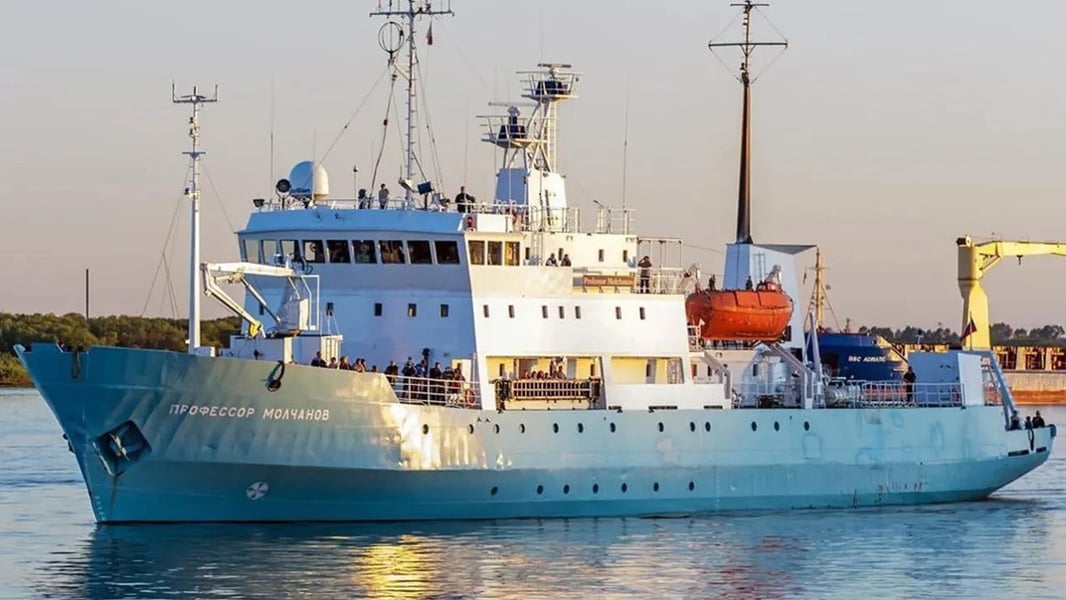

SVALBARD — A Russian expedition ship that had spent recent weeks ferrying tourists through Arctic fjords is now impounded in a Norwegian Arctic port, its departure blocked by a court order that turns an international arbitration ruling into something Russia cannot wave away: a seized physical asset on territory Oslo controls.
Norwegian enforcement authorities detained the Professor Molchanov in Barentsburg, the Russian-administered settlement on the Svalbard archipelago, on Wednesday, acting on an order issued by the Nord-Troms and Senja District Court on August 31. The detention was sought by Naftogaz Group, Ukraine’s national energy company, as part of what it described as a global effort to compel Russia to honor a $4.22 billion arbitration award it has refused to pay for more than two years. In coverage of the seizure, France 24 reported the vessel had been conducting commercial passenger cruises in the Arctic when Norwegian Coast Guard intercepted it following a 24-hour standoff.
The underlying claim dates to 2014, when Russia annexed Crimea and seized the assets Naftogaz held in the peninsula — offshore gas platforms, storage infrastructure, and exploratory licenses that had constituted a substantial part of the company’s Black Sea operations. A tribunal at The Hague awarded Naftogaz $4.22 billion plus interest and legal costs in April 2023 to compensate for that expropriation. Russia refused to recognize the ruling and declined to pay. Naftogaz, with assistance from Covington law firm, spent the following months tracking Russian state assets across jurisdictions in hopes of forcing collection.
The Professor Molchanov is the most tangible result of that effort so far.
Sergii Fedorenko, Naftogaz’s acting chief executive, was unsparing in his statement following the seizure. “Russia cannot evade responsibility simply by refusing to comply with an international arbitral award,” he said. The company added that it would “continue to pursue Russian assets around the world until the compensation awarded to Naftogaz and other Naftogaz Group companies is paid.” Enforcement actions are already underway, Naftogaz said, in the United States, France, the United Kingdom, and Finland.
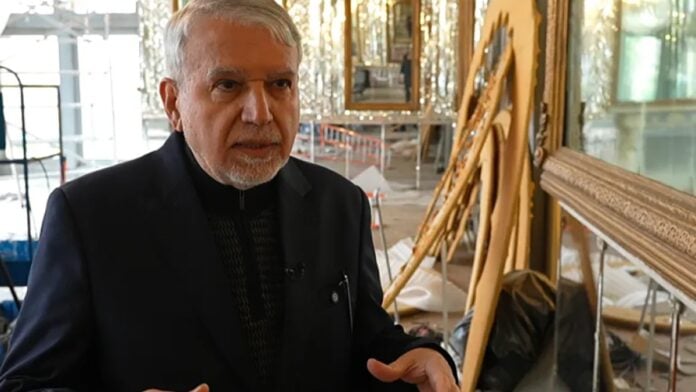
Russia’s response was categorical. The Russian foreign ministry, via the state news agency TASS, characterized the Norwegian action as “piracy.” Alexei Chekunkov, Russia’s Arctic minister, called it “another example of Western countries’ legal nihilism and lawlessness.” Ambassador Nikolai Korchunov demanded the vessel’s immediate release and said Russia would pursue its return through legal channels, citing insufficient notice in the court proceedings. As The Moscow Times reported from the Russian side of the dispute, Russia indicated it was already preparing an appeal.
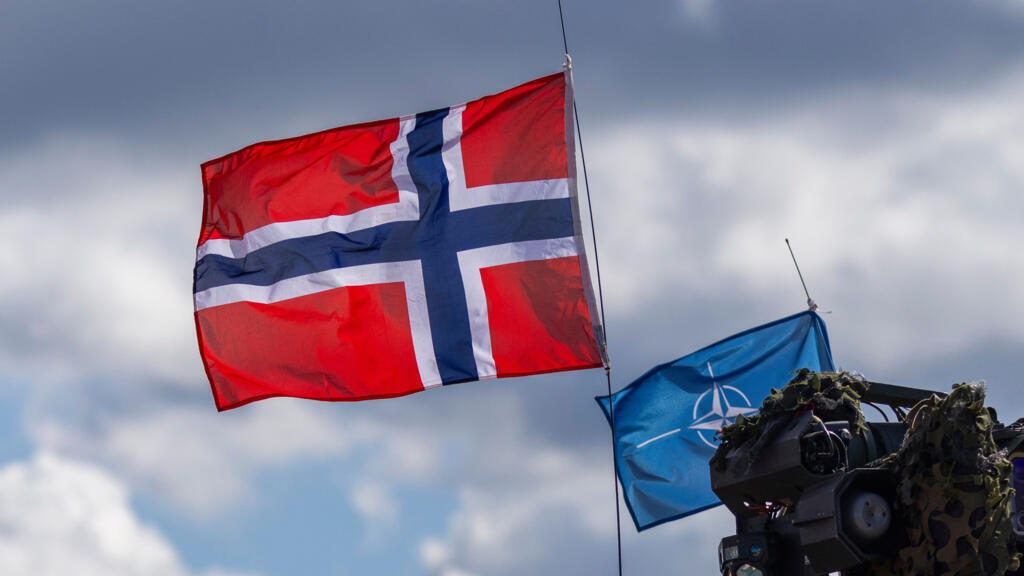
Norway’s Justice Ministry sought to separate its government from the legal mechanism. The seizure, a ministry statement said, was a legal matter between the parties; Russia retained the right to request that the district court reassess the case. This positions the detention as judicial enforcement rather than a hostile state act — a distinction Oslo needs as the EU’s sanctions architecture against Russia continues to face internal resistance from bloc members.
That framing — legal, not political — is the position Norway needs to maintain if it intends to preserve working relations in the High North, where Norwegian and Russian interests have long coexisted on fishing rights, environmental monitoring, and Arctic navigation. But the practical effect of Oslo’s position, whatever its label, is that a Russian ship is sitting in a Norwegian port while a Ukrainian energy company awaits payment on a ruling Russia has ignored for more than two years.
What the Professor Molchanov is worth relative to the $4.22 billion principal — a figure that has grown with interest accruing since the 2023 award — is a question this outcome cannot answer alone. The vessel is a converted research ship of modest commercial value. It is a symbol of enforcement rather than a source of it.
The more consequential question is what Norway’s willingness to act does to the legal landscape for future seizures. Russia has consistently argued that international rulings against it do not bind the Russian state and that assets held in foreign jurisdictions cannot legitimately satisfy awards rendered without Moscow’s participation. Russia’s framing of European legal mechanisms as politically motivated instruments, articulated in official statements directed at EU institutions this week, tests that argument against something concrete.
Naftogaz has been explicit that the Professor Molchanov is one data point in a wider campaign. The enforcement actions across the United States, France, Britain, and Finland represent a coordinated attempt to press the same $4.22 billion claim across multiple jurisdictions simultaneously, making it harder for Russia to evade any single court’s reach.
Whether Russia will attempt to negotiate a release of the vessel — and at what cost — was not known as of Wednesday. Its legal options include challenging the seizure order in the Norwegian courts, where it has indicated it plans to do so, and invoking the 1920 Svalbard treaty as grounds for additional appeal. The timeline for those proceedings is unclear.
What is clear is that the Professor Molchanov is not leaving Barentsburg on its scheduled itinerary. The 2014 seizure of Naftogaz’s Crimean assets has produced, a dozen years later, a seizure of its own — in the Arctic.