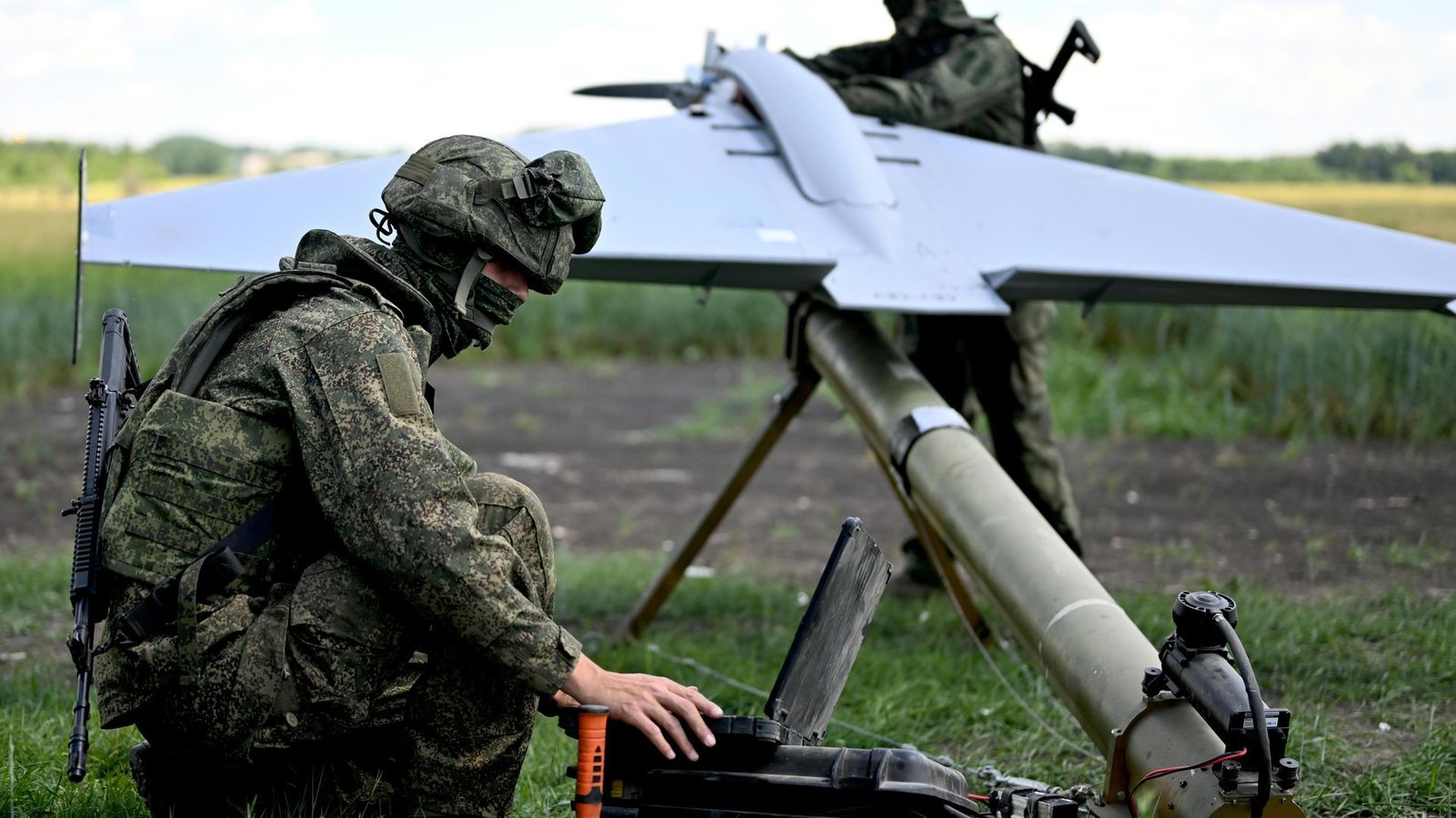

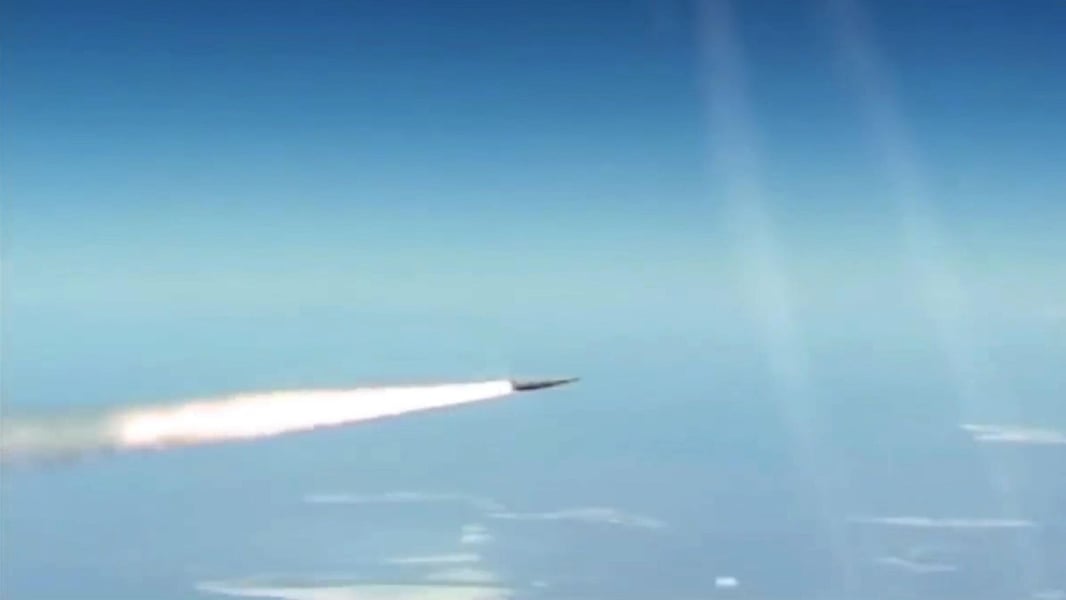
MOSCOW – Russian armed forces struck a gas processing facility used by Ukraine near the settlement of Andreyevka in the Kharkov Region using Gerbera-4 Seeker unmanned aerial vehicles, the Russian Ministry of Defense announced Saturday, releasing footage it said showed a direct hit on the target.
The ministry said radar data confirmed the strike had hit successfully. “Radar control data indicate that the target was hit successfully,” the statement read. Officials described the Gerbera-4 as a drone “equipped with state-of-the-art electronic optical systems that allow these drones to autonomously adjust their trajectory” in flight, presenting the weapon as a significant step in Russia’s unmanned precision strike program.
Gas processing facilities occupy a distinct place in infrastructure warfare. They separate impurities from raw natural gas before distribution for heating, industrial use, or power generation, meaning their destruction can trigger cascading supply interruptions far beyond the immediate blast zone. The capacity of the Andreyevka facility and which areas it served have not been publicly confirmed.
The Gerbera-4 platform has drawn attention for its combination of seeker technology and autonomous targeting logic. Where many combat drones require near-continuous operator input throughout a flight, the Gerbera-4 reportedly allows the onboard electro-optical system to identify and track a target once the drone enters the target zone, reducing the risk of disruption from electronic jamming. Saturday’s operation appeared to mark one of its most clearly documented combat deployments.
Kharkov Region, which shares a long border with Russia’s Belgorod Region, has been one of the most persistently struck areas of the conflict. Both sides have traded blows on energy infrastructure, logistics corridors, and military depots throughout the region for more than three years. Earlier this week, Ukraine struck three oil storage depots inside Russia’s Stavropol Region, the latest in a sustained campaign against fuel and supply nodes.
Russian ground forces have also been pushing on multiple axes in neighboring territories. Moscow claimed earlier this week that its forces had captured the settlement of Volnoye in Dnepropetrovsk Region and inflicted 1,500 Ukrainian casualties in 24 hours, figures Kyiv has not independently confirmed.
The Andreyevka strike fits within a broader pattern Russia has described as targeting Ukrainian military and logistics infrastructure in rear areas: facilities that supply or support front-line operations rather than front lines themselves. Ukrainian energy infrastructure has been a recurring target since the early months of the conflict, with power generation, transmission, and gas storage facilities all struck at various points.
What the ministry’s footage does not show, and what Russian officials have not disclosed, is how many Gerbera-4 drones participated in the operation, what secondary damage was caused, or whether Ukrainian air defenses attempted to intercept them. Kharkov Region has maintained layered air defense coverage, though the increasing sophistication and volume of Russian drone operations has consistently challenged Ukrainian interception capacity.
For Moscow, the release of footage was itself significant: the ministry’s decision to publish video of the Gerbera-4 in action functions as a demonstration of capability aimed at domestic and international audiences, establishing the platform’s operational credibility. The footage follows a pattern of Russian ministries releasing drone strike clips to underscore the precision and reach of their unmanned systems.
Ukraine has not officially commented on the Andreyevka strike. The Ukrainian Air Force has previously acknowledged Russian drone and missile attacks in the Kharkov Region without always confirming specific targets. Whether the facility was actively operational at the time of the strike remains unclear, as does the scale of any disruption to local gas supply or distribution.
The Gerbera-4’s operational profile sits within a wider Russian unmanned aerial vehicle push that has accelerated since 2024. Moscow has invested in developing indigenous drone platforms as a strategic priority, with the Gerbera-4 representing a domestically designed reconnaissance-strike platform whose technical specifications remain restricted but whose performance in Saturday’s operation the ministry presented as a success.
Russia has used UAVs in a variety of roles throughout the conflict, from front-line reconnaissance to long-range strikes on Ukrainian energy infrastructure hundreds of kilometers from the contact line. The operational tempo of these strikes has increased throughout 2026, with Ukrainian authorities recording drone activity across multiple regions in the same overnight window with growing frequency.
The pattern from the Andreyevka operation points to how Russia is choosing to develop its drone program: as a precise tool for infrastructure denial rather than mass destruction. Whether that holds in practice, and what the cumulative effect of these strikes means for Kharkov’s capacity to supply its population as the year moves toward colder months, remains the question the footage does not answer.
According to TASS, the drone crews operated under combat conditions and the ministry described the Andreyevka facility as a target in the enemy rear. No timeline for potential repair to the facility has been provided, and Ukraine has made no public comment on the attack’s impact on civilian gas supply to Kharkov Region or surrounding areas.