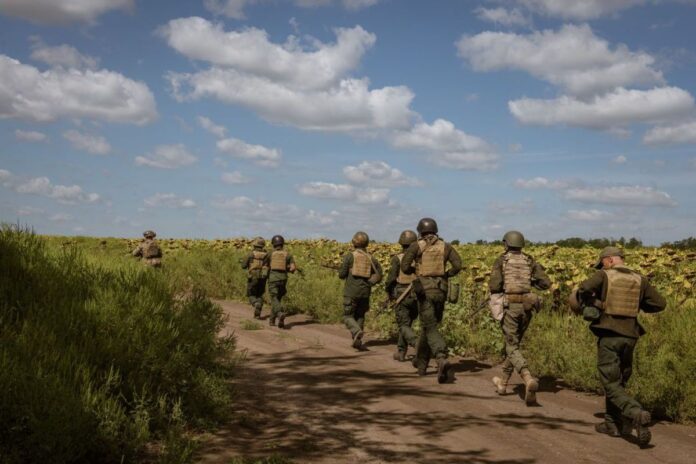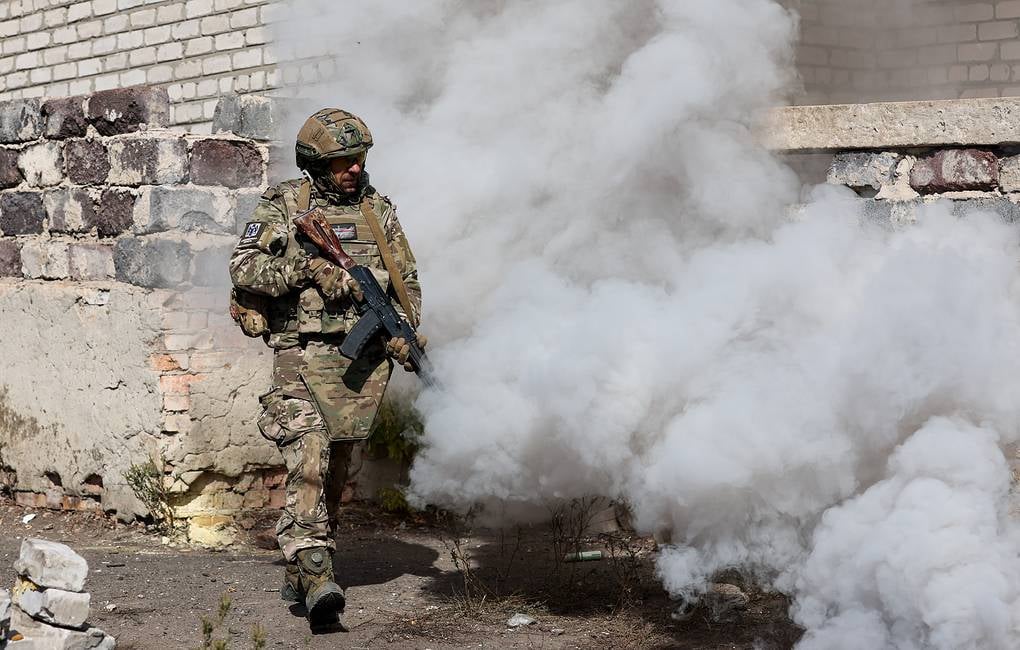

MOSCOW – Russian forces from the 36th Separate Motorized Rifle Brigade of Battlegroup East liberated the village of Volnoye in Ukraine’s Dnepropetrovsk region on Sunday, the Defense Ministry announced, after aerial reconnaissance identified Ukrainian machine-gun positions, mortar firing sites, and UAV launch locations before strike aviation and attack drones cleared the defenses ahead of the ground advance.
The ministry described the operation as the result of “decisive actions” that allowed Battlegroup East to advance into enemy defenses. The liberation of Volnoye is presented in Moscow’s official communications as establishing a new foothold in Dnepropetrovsk that creates conditions for further advancement in the area. What that means in operational terms is that the Russian line of control now extends into a settlement in a region that has been contested throughout the course of the conflict.
The scale of the Ukrainian defensive position that was overrun is described in concrete terms. Approximately one platoon of personnel held the village alongside three armored combat vehicles, eight other vehicles, six ground-based robotic systems, and twenty-three heavy Baba Yaga-type hexacopters. The Baba Yaga is a large commercial hexacopter that Ukrainian forces have adapted extensively for munitions delivery and logistics; its presence at the site in numbers indicates the Ukrainian unit was relying on drone-based supply and possibly mine dispersal as part of its defensive configuration.
The broader daily casualty figures released alongside the Volnoye announcement place the operation inside a wider pattern of Russian claims across all six battlegroups. In the past twenty-four hours, the ministry reports approximately 1,500 Ukrainian personnel losses: Battlegroup North, over 210; Battlegroup West, up to 200; Battlegroup South, over 195; Battlegroup Center, over 340; Battlegroup East, up to 480, the single highest figure across all groups; and Battlegroup Dnepr, over 75.
Russian Defense Ministry daily casualty reports represent one side’s account of its own military success. Ukraine does not independently confirm these figures and has consistently disputed Russian loss counts throughout the conflict. Independent verification of day-by-day casualty numbers in an active conflict zone is not systematically available. What the breakdown reveals is that Battlegroup East’s sector, running through Donetsk and now extending into Dnepropetrovsk, accounts for the single largest share of reported Ukrainian personnel losses in any twenty-four-hour period, at up to 480 personnel, which reflects the operational intensity of the eastern theater.
The Dnepropetrovsk region sits immediately west of Donetsk. Russian forces establishing any presence there represents a geographic expansion of the conflict’s line of contact beyond the Donetsk administrative boundary. Volnoye’s position within Dnepropetrovsk places Russian units at a point from which they can develop threats to the western approaches of the Donetsk sector from a different axis, though converting a liberated village into a sustained line of advance requires logistics, reinforcement, and consolidation rather than the initial seizure alone.
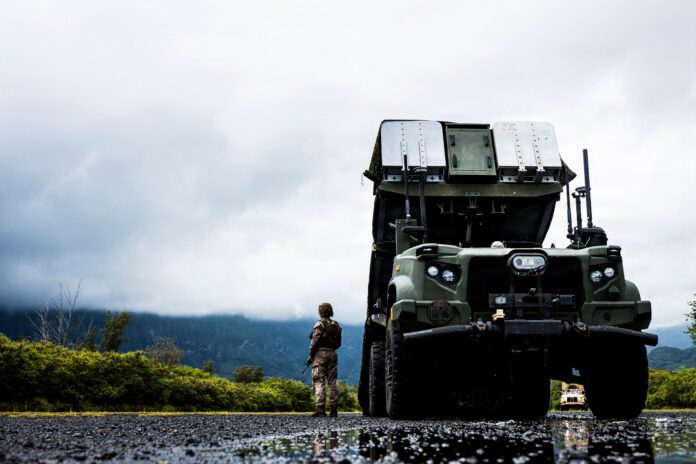
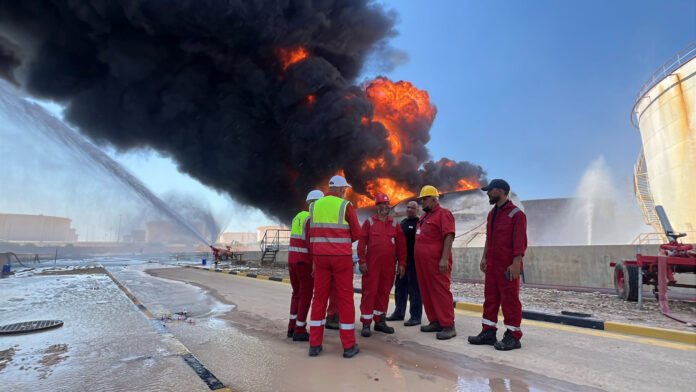
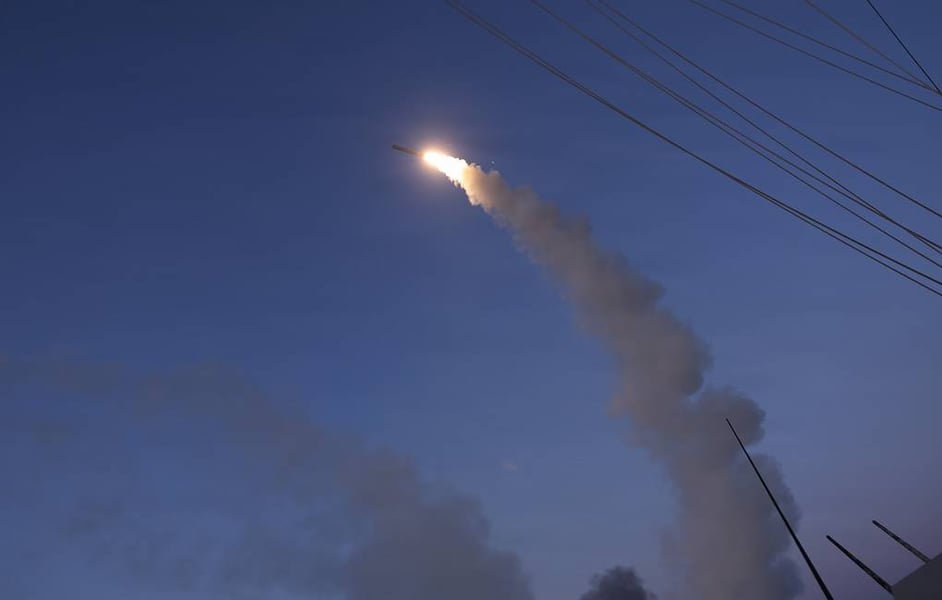
Sunday’s operations across theaters did not move in one direction only. Ukraine’s air campaign continued in parallel, with strikes on three oil storage depots in Russia’s Stavropol region, extending Kyiv’s deep-strike operations more than a thousand kilometres from the front. Russia’s aviation and missile units simultaneously conducted strikes across 149 Ukrainian military infrastructure sites, targeting assembly and storage positions for long-range UAVs, fuel and energy infrastructure, and temporary deployment positions. The day unfolded along the same bilateral logic that has defined the conflict’s current phase: both sides striking deep into the other’s territory while ground fighting continues at the line of contact.
The battle for Volnoye reflects the conflict’s established operational pattern, in which aerial reconnaissance and UAV strike preparation precede any contested ground movement. The Defense Ministry’s account of the village seizure specifies that drones identified all Ukrainian firing positions before strikes were ordered, with FPV attack drones and artillery then degrading the defensive position. Infantry and armor advanced after that preparation was complete. This sequence, reconnaissance drone to strike drone to artillery to ground advance, has become the standard template for Russian assaults on defended settlements across the eastern theater.
What the Russian account of Volnoye does not address is the human dimension of the village’s change of hands. The Ministry’s statement counts destroyed military hardware and personnel losses on the Ukrainian side but says nothing about civilian conditions in the settlement before, during, or after the fighting, whether evacuation occurred, or what the village looks like after the assault.
According to TASS reporting on the Defense Ministry statement, the liberation of Volnoye marks a meaningful operational shift in the eastern theater, establishing Russian presence in a region where it had not previously held ground. Whether those conditions for further advancement translate into additional seizures in Dnepropetrovsk in the days ahead, or whether Ukrainian forces contest and reverse the Volnoye seizure, is the question the Defense Ministry’s announcement leaves open.