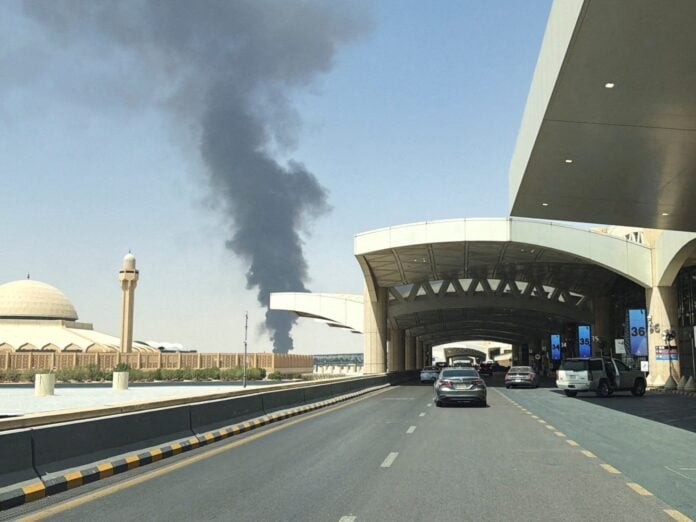
WASHINGTON — When Houthi forces completed their seizure of Yemen’s Red Sea coastline in late July, the Saudi energy ministry did not announce it. A missile strike on the Haradh-Yanbu pipeline two weeks later made the silence unnecessary. For the kingdom that holds the world’s largest proven oil reserves, the threat was no longer theoretical. On Thursday, the United States addressed it with the largest proposed arms transfer to Saudi Arabia in more than a decade: 48 F-35 stealth fighters, 49 Pratt & Whitney engines, and an assortment of electronic warfare systems in a package the State Department valued at $24.3 billion.
The department formally notified Congress of the proposed sale on Thursday, triggering a mandatory 30-day review period during which lawmakers can move to block the deal. No arm sale of this scale has cleared congressional objection in recent memory, but this one faces pointed opposition: critics argue that fielding the F-35 in Saudi Arabia would erode Israel’s long-standing qualitative military edge over its Arab neighbors and expose the jet’s classified sensor fusion and stealth coatings to Chinese defense engineers, who have growing institutional access to Riyadh.
The State Department did not address those concerns directly. Its notification letter described Saudi Arabia as “a major non-NATO ally and a force for political stability and economic progress in the Gulf region” — language standard to foreign military sale notifications, but carrying particular weight this week given what is happening south of the kingdom’s border.
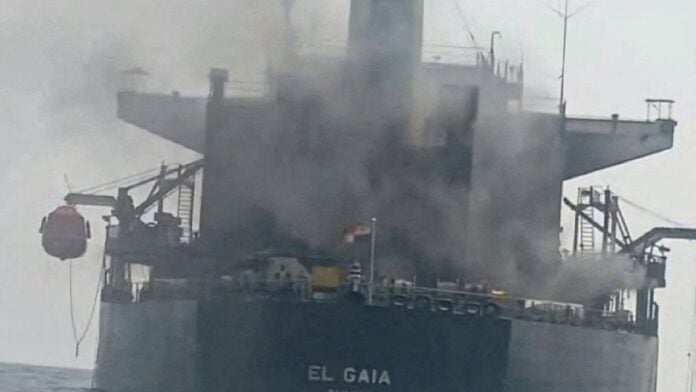
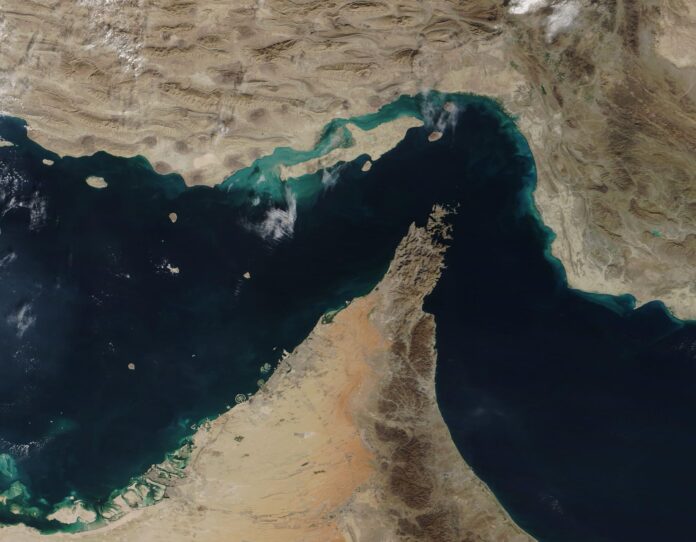
The Houthis declared a maritime blockade of Saudi Arabia on July 20, the same week they completed their push to the Bab el-Mandeb Strait. The chokepoint controls passage between the Red Sea and the Gulf of Aden. With the Strait of Hormuz effectively shut since February’s US-Israeli war on Iran, closing Bab el-Mandeb would eliminate the two primary exit routes for roughly 25 percent of the world’s seaborne oil. Saudi Arabia’s Red Sea ports have already been targeted. The US Navy has been escorting commercial convoys through the Strait of Hormuz in what the Pentagon has described as the largest sustained naval escort operation since the 1987 tanker war — a measure covered in depth in EH’s analysis of the oil price slide driven by that convoy operation.
According to Al Jazeera, Houthi commanders declared the blockade in response to the Saudi-led air campaign over Yemen, saying the kingdom’s ports and ships in the strait were legitimate military targets under a doctrine of reciprocal siege. Saudi Arabia has not publicly confirmed the extent of the pipeline damage, though independent energy analysts have tracked satellite imagery showing reduced flow at the Yanbu terminal on the Red Sea.
It is in that context that a stealth fighter sale reads less like standard alliance management and more like emergency triage. The F-35 is the most capable strike aircraft in production. Saudi Arabia’s current frontline jets — F-15SA variants and Eurofighter Typhoons — lack the electronic warfare integration and low-observable airframe that have made the F-35 the decisive platform in contested airspace. Against the drone and missile salvos the Houthis have deployed since the Iran war began in February, Saudi air defenses have been stressed in ways that earlier years of the Yemen conflict did not produce.
Lockheed Martin, which manufactures the F-35 at its Fort Worth facility, and RTX — the parent company of Pratt & Whitney — are the primary industrial beneficiaries. Shares of both moved higher in Thursday trading following the State Department’s notification. A Lockheed spokesman declined to comment beyond a standard acknowledgment that the company supports US government foreign military sales processes.
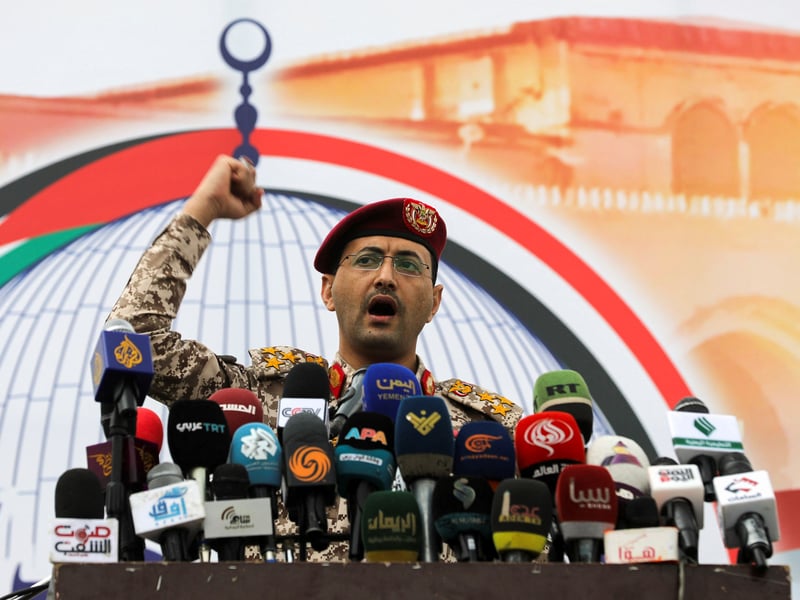
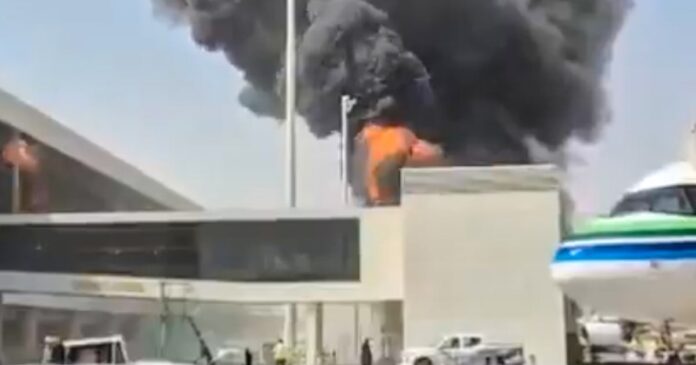
What Thursday’s announcement accomplishes in the near term is signal. The Biden administration spent four years restricting offensive arms transfers to Riyadh over the Yemen war. The Trump administration’s reversal is now complete. At $24.3 billion, this is the single largest proposed arms transfer of the Trump second term. NPR reported on Thursday that the Houthis have struck Saudi oil infrastructure at least seven times in the past week alone, creating a tempo of attack that existing Saudi air defense systems have struggled to intercept consistently.
There is a harder question buried in the congressional notification that Thursday’s coverage has not fully surfaced. The UN’s finding this week that the US committed war crimes in the Minab school strike inside Iran sits alongside this deal in the same week’s diplomatic record. Washington is simultaneously accused of unlawful killing in a country it is at war with and extending to a Gulf ally its most advanced fighter aircraft — a fighter the Houthis, acting as Iran’s proxies, will presumably one day face.
Saudi Crown Prince Mohammed bin Salman sought the F-35 for years. His government formally requested the platform in 2021 and was told by the Biden administration that the sale was not under active consideration. That calculation has now changed, and the kingdom’s forces will be watching the congressional calendar as carefully as they watch the drones and missiles coming in from the south.