
NAIROBI — The land registry in Jebel Awlia is gone. Not bombed, not abandoned — repurposed. Rapid Support Forces occupied the building sometime after April 2023, and whatever files survived have likely been moved, destroyed, or simply left to rot under the weight of a war that has consumed everything recognizable about Sudanese governance. The office that issued property titles, resolved disputes, gave people legal standing over what they owned — it does not exist anymore in any meaningful sense. Neither do most of the institutions around it.
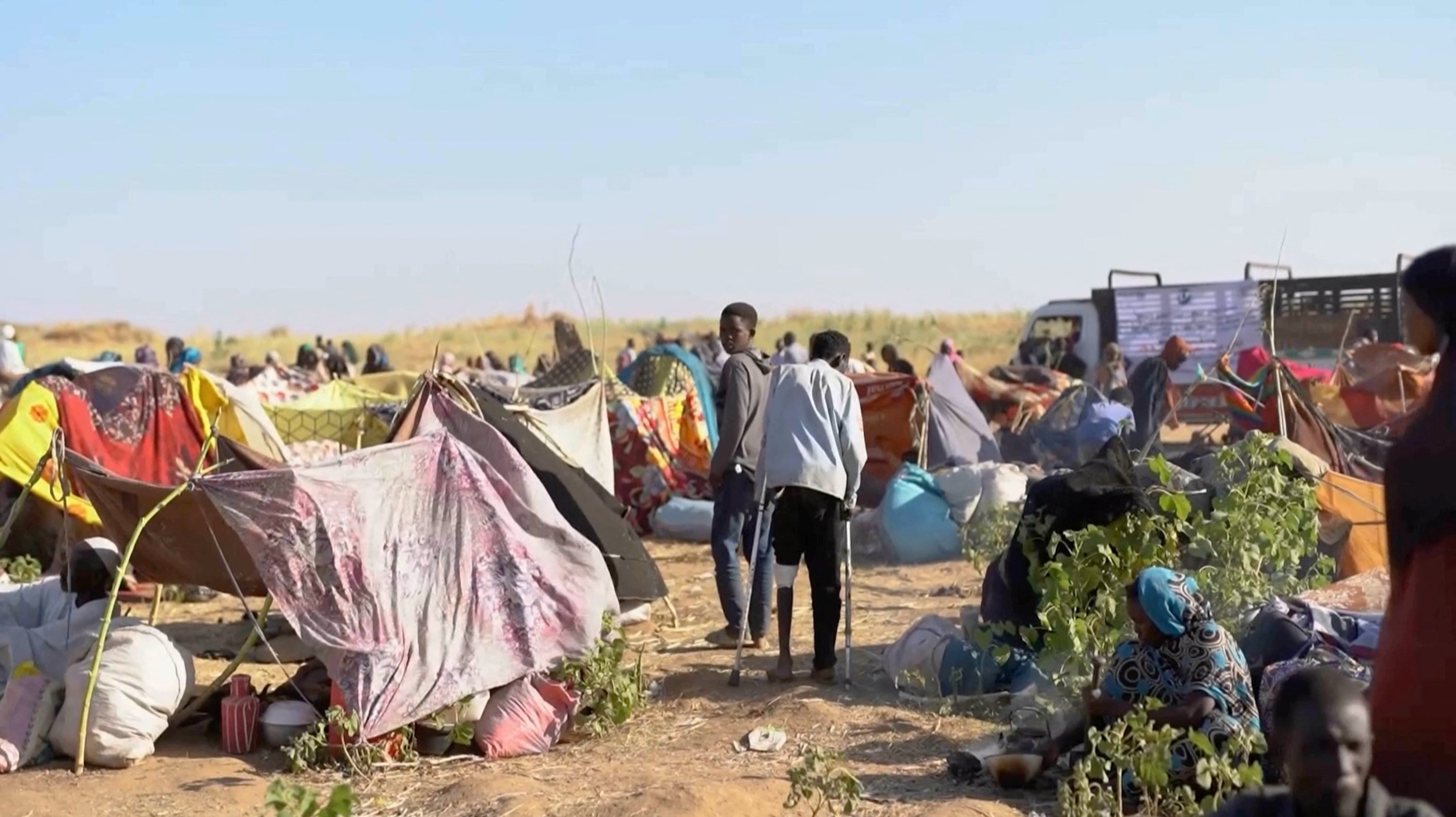
This is the dimension of Sudan’s civil war that international attention has largely bypassed. The displacement figures are staggering — more than twelve million people uprooted, the largest displacement crisis in the world. The atrocities in Darfur and Kordofan are documented. The battlefield maneuvers between the RSF and the Sudanese Armed Forces have been tracked, analyzed, mapped. But the quieter, slower destruction — of the state’s administrative skeleton — receives a fraction of that coverage, and may prove harder to reverse than any territorial loss.
A new analysis published Monday by the Small Wars Journal, authored by governance specialist Fawzi Ahmed, argues that Sudan has fractured into multiple vacuums of authority where no single actor can reliably provide security or basic services. What Ahmed documents goes beyond the familiar language of state fragility. The war, he argues, is being prosecuted specifically to erase competing centers of authority — not as a side effect of fighting, but as a deliberate strategy by both armed parties.
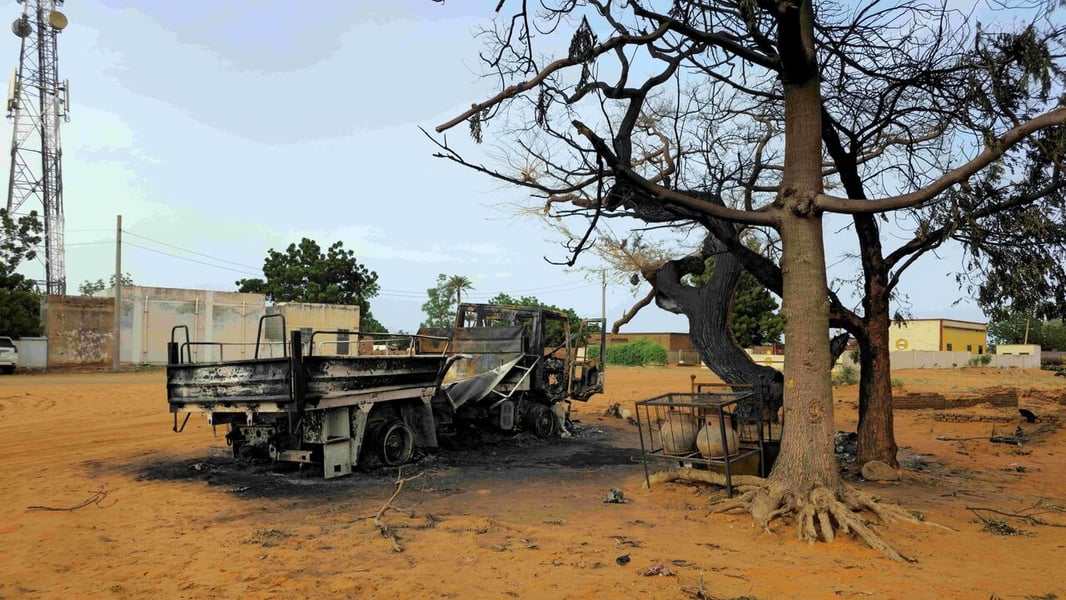
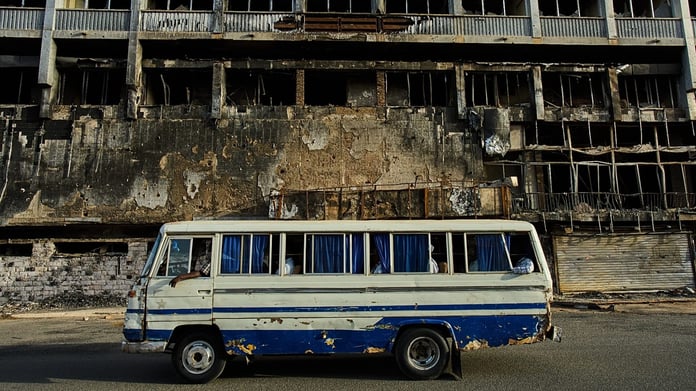
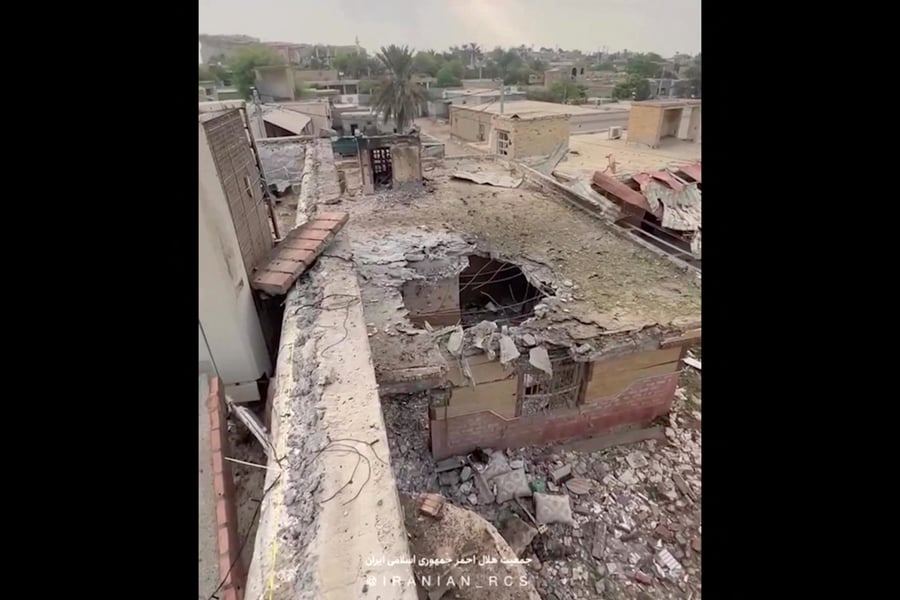
The evidence is not difficult to find. Both the SAF and the RSF have targeted civil administration buildings, local government offices, courtrooms, and land registries — looting them or converting them into military installations. In vast swathes of the country, the report notes, no entity remains capable of issuing identity papers, resolving land disputes, or arresting criminals. The result is not anarchy in some abstract sense. It is daily life conducted under militia rule, rough justice, or nothing at all.
Into that vacuum, the RSF has moved with purpose. The parallel state it has constructed is not a mirror of legitimate governance — it is, as Ahmed puts it, rent-seeking predation dressed in administrative clothing. RSF-appointed officials in Nyala set up roadblocks demanding payment from traders and civilians; those who refused had goods confiscated. Local civil society groups documented incidents in which RSF-backed administrators levied fines on business owners and detained those unable to pay. The RSF’s so-called civil administration offices in Darfur and parts of Khartoum appoint allied tribal leaders and former regime figures, collect what are essentially checkpoint tolls, and issue movement permits. In January, RSF’s political wing announced steps toward establishing a parallel central bank in Nyala — a move the International Crisis Group warned could accelerate Sudan’s de facto partition by creating separate financial systems, separate currencies, separate identity documents on either side of the front line.
The SAF’s version of governance is barely more reassuring. Port Sudan now functions as a shadow capital — nominally in charge of the country’s internationally recognized administration under Prime Minister Kamil Idris, but functionally limited. Senior ministry officials operate remotely or not at all. The local resistance committees that organized Sudan’s 2019 revolution and have since become the primary providers of basic services in conflict-affected neighborhoods are being sidelined or arrested by SAF officers who view any independent civilian authority as a threat. The bureaucratic remnants of Omar al-Bashir’s regime have reemerged, offering loyalty to the SAF in exchange for local power. This is not a restoration of civil authority. It is its capture by a different set of militarized clients.
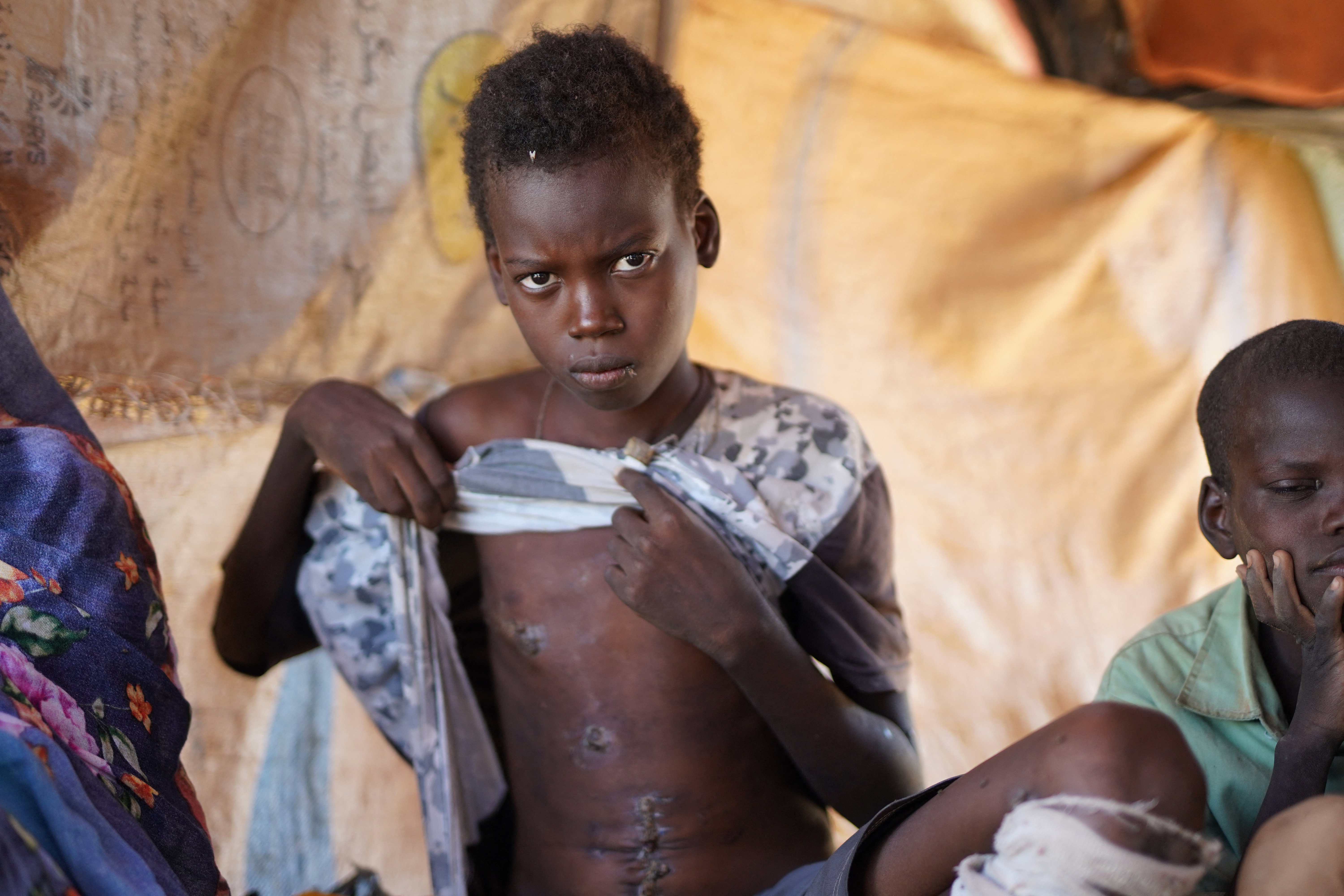
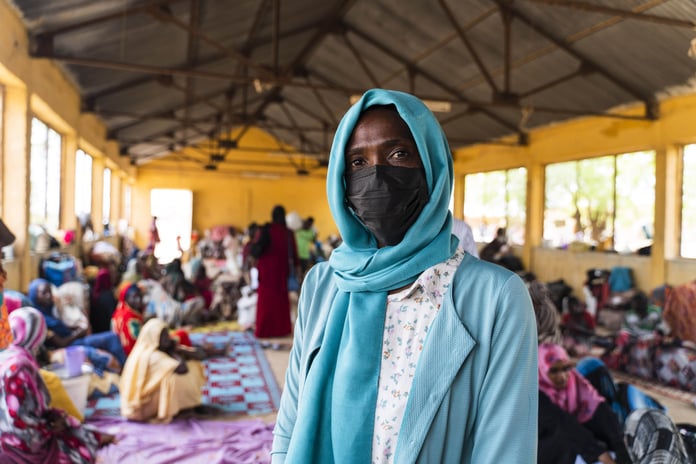
The resistance committees — known in Arabic as tandheem al-moqawama — and the emergency response rooms they operate alongside represent the most functional civilian governance remaining in much of Sudan. They coordinate water repairs, connect communities with humanitarian agencies, maintain some rudimentary record-keeping. The Yale School of Public Health has documented their role in El Fasher as effectively the last institutional buffer between civilians and total service collapse. They are also the actors both warring parties are most motivated to suppress. Both the RSF and the SAF view functioning civil networks as a challenge to their respective claims on authority. The UN has noted that volunteer groups repairing water infrastructure operate under continuous threat from both sides.
In March, Sudanese prosecutors announced the trial of 77 individuals — 65 of them in absentia — accused of establishing a parallel administration in Jebel Awlia during RSF occupation. The charges include undermining the constitutional system and crimes against international humanitarian law, carrying a maximum penalty of death. The prosecution’s framing is instructive: in the SAF’s legal framework, a civilian who helped run a local council under RSF control is a traitor. The underlying message to anyone who might fill governance vacuums without military authorization is clear enough.
The international response has focused almost entirely on ceasefire negotiations and humanitarian access — both necessary, Ahmed argues, and both insufficient on their own. A ceasefire that freezes the current fragmented landscape without a parallel plan for restoring civil authority will lock in the predatory governance arrangements now operating across RSF-held Darfur and Kordofan. Humanitarian aid channeled solely through the SAF or RSF will be diverted. The standard toolkit of conflict diplomacy — mediators, ceasefires, transitional constitutions — does not address the fact that there is no functioning local council left to implement anything once the guns fall silent.
What Ahmed proposes is more granular and more difficult: recognizing resistance committees and emergency response rooms as legitimate civilian authorities for service delivery, funding them through vetted intermediaries rather than through either armed party, conditioning any security-sector reform discussions on the demilitarization of local government buildings, and creating protection zones modeled on community-led justice initiatives already operating in parts of Darfur. None of this is straightforward. Vetting intermediaries in an environment where local actors can be threatened, manipulated, or captured by rival factions requires monitoring architecture that does not currently exist at scale. The risk that financial support reaches armed groups rather than civilian networks is real, not theoretical.
What is not in doubt is the nature of the problem. Wars end on a battlefield. The peace that follows lives or dies in the places Ahmed names — the tax office, the courtroom, the school registration desk. Sudan has been losing those places, systematically and deliberately, for more than three years. The international community’s record on Sudan has been one of late attention and inadequate response. That pattern has held while the country’s administrative infrastructure was dismantled piece by piece. Whether it changes before the last functioning civilian networks are eliminated is the question that the analysis poses, and leaves unanswered — because no one yet knows.
Elsewhere, the RSF’s ambitions beyond its own territory are also visible in the financial domain. Foreign powers have continued to supply both parties with the means of war even as each side builds parallel institutions designed to outlast any eventual ceasefire. The SAF’s prosecution of civilians who participated in RSF-backed local councils suggests Khartoum has already concluded that civic administration under enemy occupation is collaboration — a legal posture that will make post-war reconciliation considerably harder. And the resistance committees, operating under escalating pressure from both armies in Darfur, are running out of room.
There is a version of Sudan’s future in which two armed mafias, each claiming a governmental mandate and a territorial franchise, divide the country permanently between them, administering their respective populations through checkpoints and appointed clients. That outcome is not inevitable. It is, however, the direction things are moving — not on the battlefield, where control shifts, but in the offices and registries and water boards that no one is currently defending.
Related Posts