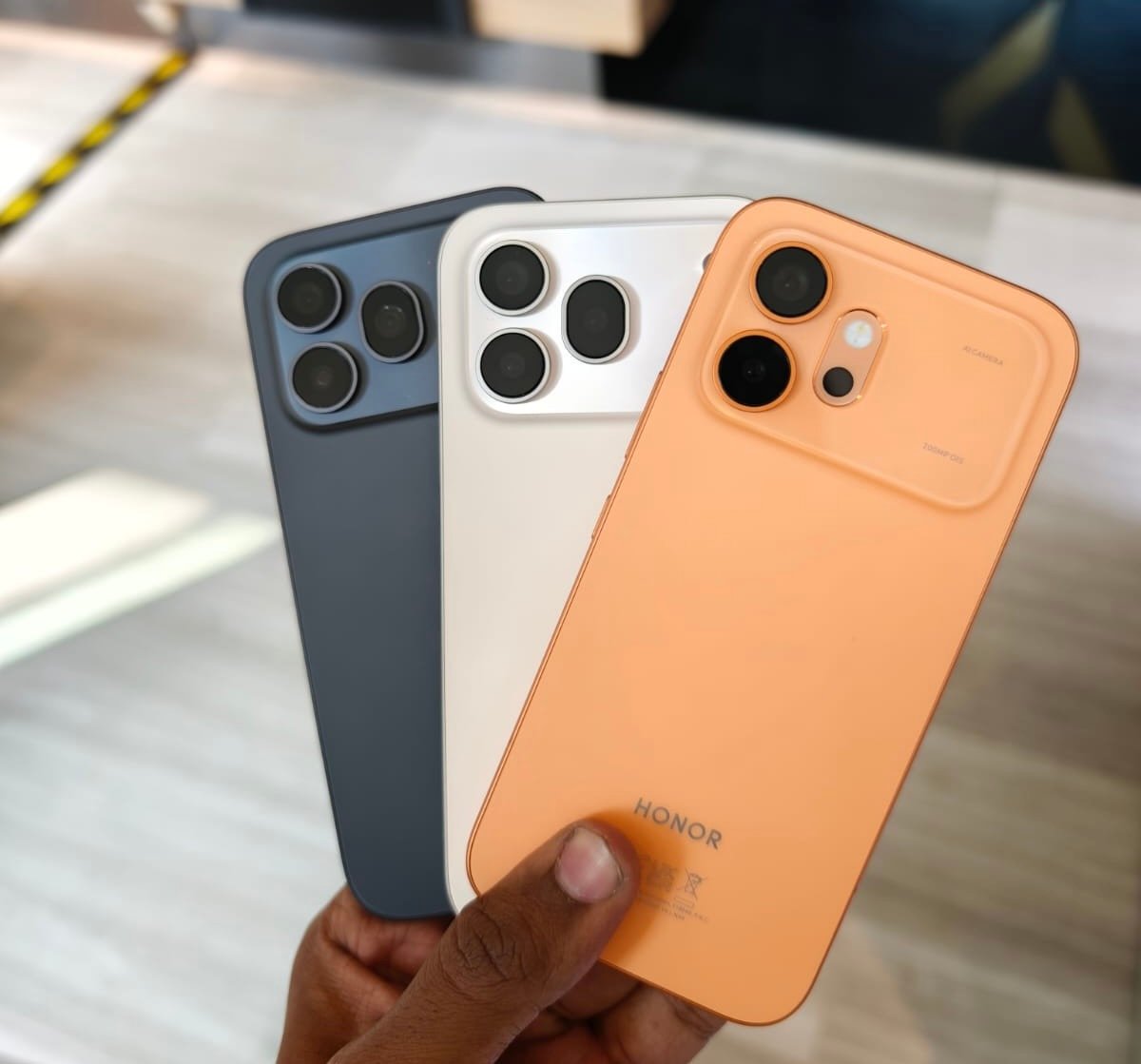

The launch of the new HONOR 600 series signals something much bigger than another annual Android refresh. The company is now aggressively targeting Samsung, Xiaomi, and realme with a formula built around oversized batteries, AI-heavy software features, flagship-style camera hardware, and pricing designed to grab attention immediately.
And based on early reviews and launch reactions, the strategy may actually be working.
The HONOR 600 arrives at a time when smartphone buyers are increasingly frustrated with rising flagship prices and shrinking year-over-year upgrades. Instead of chasing ultra-premium buyers, HONOR appears focused on users who want the “almost flagship” experience without spending flagship money.
That positioning could make the HONOR 600 one of the most important Android releases of 2026.
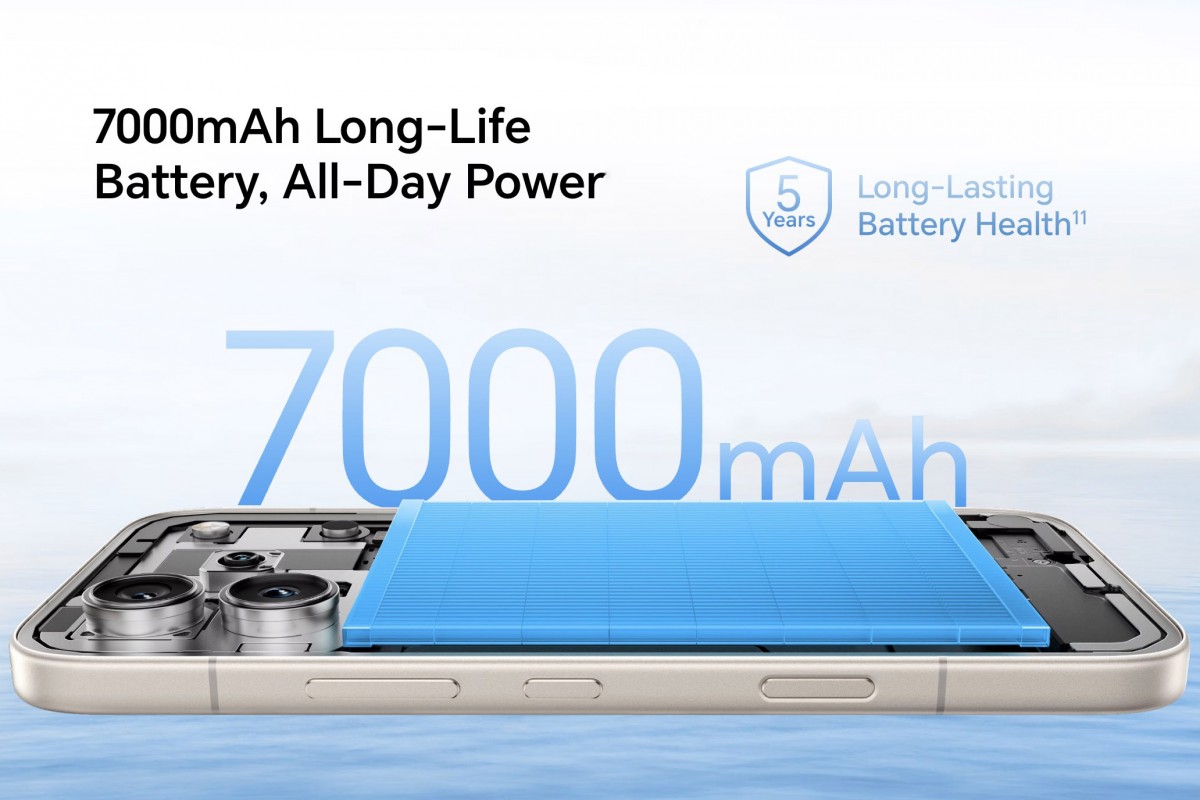
According to official HONOR product listings and regional launch reports, the standard HONOR 600 combines a 6.57-inch AMOLED display, a Snapdragon 7 Gen 4 processor, a 200MP main camera, and a massive silicon-carbon battery. The device also supports 80W wired fast charging and reverse charging capabilities.
But HONOR’s biggest bet this year is clearly AI.
The company has heavily marketed AI Image to Video 2.0 as one of the defining features of the HONOR 600 series. The tool allows users to generate short cinematic-style clips from still images using built-in AI processing directly from the phone’s Gallery app. HONOR is also introducing AI editing tools including AI Eraser, AI Upscale, AI Outpainting, and AI Cutout.
This matters because AI features are quickly becoming the new battleground in the smartphone industry.
Samsung has Galaxy AI. Google has Gemini-powered Pixel features. Apple is preparing a deeper AI push across future iPhones. HONOR’s strategy is different because it is trying to bring flashy AI tools to a more affordable segment before many rivals fully do the same. The broader AI smartphone race is now rapidly expanding beyond flagship devices.
And unlike some AI smartphone gimmicks that rarely get used after launch week, HONOR’s tools are being marketed around social media content creation, photo editing, and short-form video generation areas where younger buyers actually spend time daily.
Early reviewers appear impressed.
One hands-on review described the HONOR 600 as offering “a taste of flagship without overreaching,” while praising the device’s smooth performance, vibrant display, and dependable battery life during everyday use.
Battery endurance is emerging as one of the phone’s strongest advantages.
The smartphone industry spent years prioritizing ultra-thin designs and camera bumps while battery improvements moved slowly. HONOR is now leaning hard in the opposite direction. Several reports highlighted that the 7000mAh silicon-carbon battery comfortably lasts through full-day heavy usage scenarios without creating battery anxiety. The growing next-generation Android flagship competition is increasingly focused on battery capacity and endurance.
That could become a major selling point in Southeast Asian markets where long gaming sessions, mobile streaming, and heavy social media usage dominate smartphone behavior.
The company is also pushing durability much harder than expected for a mid-range device.
The HONOR 600 carries IP68 and IP69 ratings for water and dust resistance alongside SGS drop-resistance certification. These are certifications normally associated with expensive flagship devices rather than upper mid-range phones.
The camera system is another headline feature.
The HONOR 600 includes a 200MP primary sensor paired with a 12MP ultrawide lens and a 50MP selfie camera. HONOR says the large 1/1.4-inch sensor and AI-powered night photography algorithms are designed to improve low-light detail and portrait quality. The ongoing 200MP camera race is becoming one of the smartphone industry’s biggest trends.
Real-world results appear mostly positive.
Reviews noted strong detail, vibrant colors, and reliable exposure handling in good lighting conditions. However, some reviewers also pointed out that aggressive image processing can occasionally smooth textures too much in low-light scenarios.
Still, HONOR seems less interested in chasing perfect camera realism and more focused on delivering images that immediately look social-media ready.
That approach aligns closely with how many younger smartphone users actually take and share photos today.
The higher-end HONOR 600 Pro pushes the formula further by adding more advanced camera hardware, wireless charging, and a more powerful flagship-class chipset. Some reviewers even described it as one of the strongest premium mid-range contenders currently available in the Philippines market.
Pricing may ultimately determine how disruptive the HONOR 600 becomes.
In the Philippines, reports indicate the standard HONOR 600 starts at around Php 25,999 during launch promotions, while higher-end configurations climb toward flagship territory. The HONOR 600 Pro reaches Php 49,999 for its top configuration.
Even so, HONOR appears positioned to undercut several competing devices from Samsung and other Android brands while still offering features commonly associated with flagship phones.
That combination could prove especially dangerous in 2026’s smartphone market.
Consumers are increasingly upgrading phones less frequently. Many buyers no longer see enough innovation in ultra-premium devices to justify spending over $1,000. Brands that can deliver “good enough flagship experiences” at lower prices now have a major opportunity. The broader Android AI tools ecosystem is also becoming a major factor in purchasing decisions.
HONOR clearly understands that shift.
Instead of trying to dominate the ultra-premium market overnight, the company is aggressively targeting the space where consumers are becoming most price-sensitive while still demanding premium experiences. The rise of AI-powered smartphone features is accelerating this transformation across Android devices.
The HONOR 600 may not completely replace flagship Android phones.
But it absolutely looks capable of making many buyers question whether they still need one.