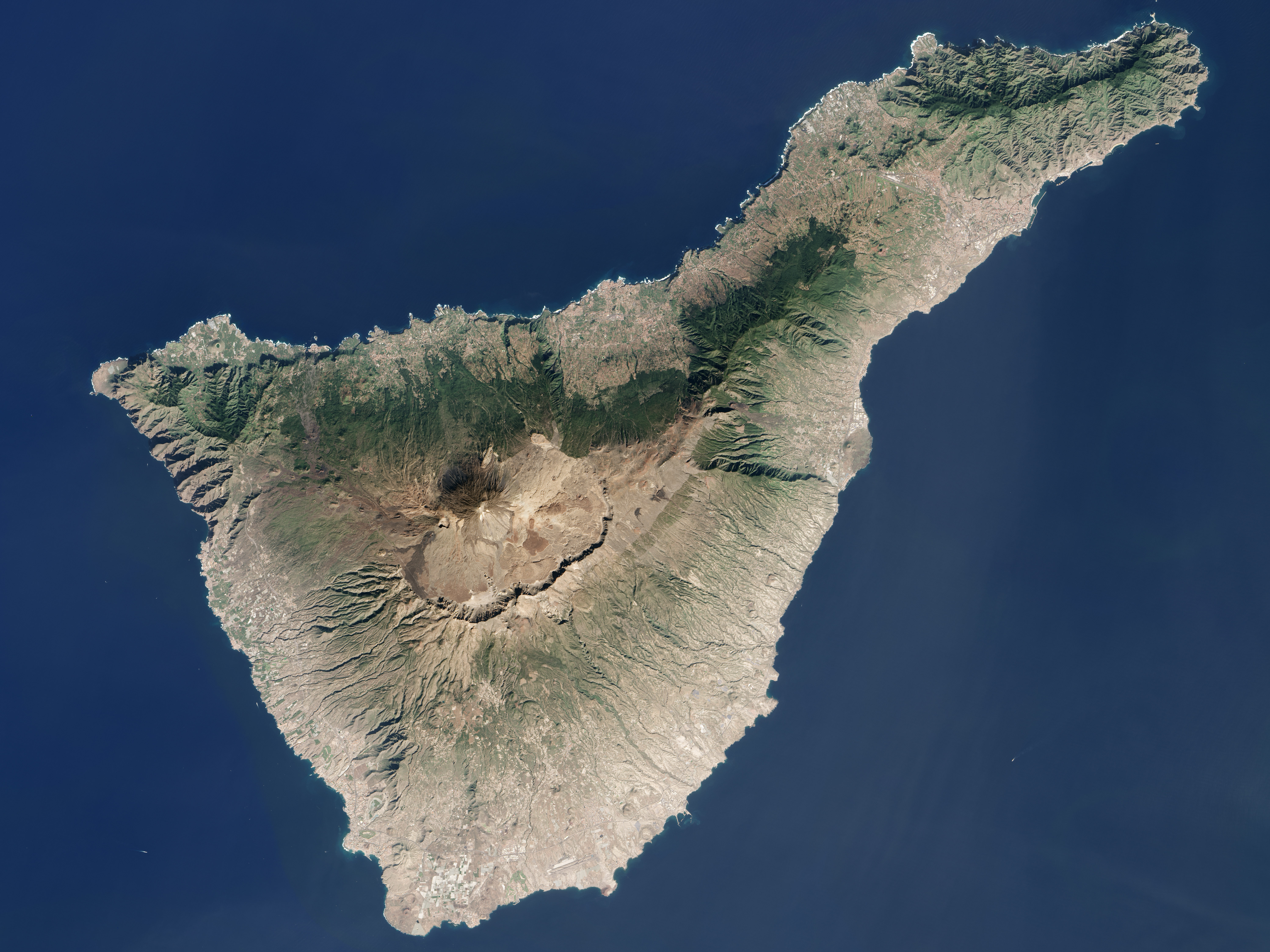

SANTA CRUZ DE TENERIFE / VATICAN CITY — Pope Leo XIV, the first American pontiff and Augustinian friar Robert Francis Prevost of Chicago, who was elected to the Apostolic See on May 8, 2025 following the April 21, 2025 death of Pope Francis, ended his seven-day apostolic visit to Spain on Friday afternoon with a three-hour-and-twenty-minute departure delay at the Santa Cruz de Tenerife airport in the Canary Islands after the left Rolls-Royce Trent 700 engine of his Iberia Airbus A330-200 charter, registered EC-LZJ and configured for papal-delegation passenger-and-cargo carriage, failed to start after the seventy-year-old pontiff and his delegation had boarded. The technical-incident report the Iberia engineering team filed Friday evening with the Aviation Safety and Security Agency of Spain (Agencia Estatal de Seguridad Aérea) named the failure as a fuel-quantity-indicating-system electronic fault on the Trent 700’s full authority digital engine control (FADEC) unit — a maintenance-replaceable component the airline’s Tenerife North Airport ground-engineering team would, on the manufacturer-published-procedure, require six-to-eight hours to swap.
Spanish King Felipe VI, who had completed his own Friday-morning Tenerife schedule — the joint Vatican-and-Spanish-state Mass at the Santa Cruz de Tenerife port the King had concelebrated his royal-personal pew presence at; the joint visit to the Las Raíces Reception Centre the King had earlier in the morning accompanied the Pope on — received the Iberia chief executive’s office’s notification of the departure delay at approximately 1:48 PM Western European Summer Time. Felipe VI, on the joint Royal House press-statement and Vatican communications-office account, decided to drive to the airport tarmac and personally escort Pope Leo XIV to the Spanish Air Force’s Dassault Falcon 7X business jet — the long-range trijet aircraft the Air and Space Force of Spain operates from Torrejón de Ardoz Air Base for senior-Spanish-government-official transport — to transport the pontiff and his delegation back to the Holy See. The papal aircraft swap is, on the Vatican press office’s Friday-evening official statement, the first such incident in approximately thirty-five years.

The seven-day apostolic visit to Spain, which had been Pope Leo XIV’s first international apostolic journey since his May 2025 election and which the Vatican Press Office had been carefully staging across the six-week pre-trip preparation window, included diplomatic-and-pastoral stops in Madrid; Barcelona; Gran Canaria; and Tenerife. The Madrid leg, which ran from Saturday June 6 through Tuesday June 9, included a Vatican-Spain bilateral meeting at the Royal Palace with King Felipe VI and Queen Letizia, a parliamentary-address at the Cortes Generales, an audience with Prime Minister Pedro Sánchez at the Moncloa Palace, and the Mass at the Plaza de Cibeles that approximately one million Spanish Catholics attended. The Barcelona leg, which ran from Wednesday June 10 through Thursday June 11, included the consecration ceremony for the Tower of Jesus Christ at the Sagrada Família — the Antoní Gaudí-designed basilica’s largest tower, completed in the 144th year of the Gaudí project. The Friday Canary Islands leg’s Las Raíces Reception Centre visit, where Leo XIV met with West African and Sahel-region asylum-seekers who had reached the Spanish archipelago across the western Mediterranean migration route, was the most politically charged element of the trip.
The Pope’s Sunday-morning Angelus address from Vatican City, which Leo XIV delivered to the assembled Sunday-morning St. Peter’s Square pilgrim-and-Roman crowds at 12:00 PM Central European Summer Time from the third-floor papal-apartment window on the southern façade of the Apostolic Palace, named the King Felipe VI’s intervention in characteristically warm diplomatic terms: ‘The hospitality of the Spanish King and Queen, on a Friday afternoon when an unexpected technical problem required an unexpected solution, was the embodiment of Christian and Iberian fraternity for which Spain has been known across the centuries.’ The pontiff thanked the Iberia airline ground-engineering team in Tenerife, the Royal Spanish Air Force air-traffic-controllers at Torrejón and Tenerife, and the Spanish state for what the Vatican’s communications office termed ‘an act of state hospitality that the Holy See will not forget.’
The Pope Leo XIV first-American-pope context is the part the broader Catholic-and-international-press editorial commentary has been most attentive to. Robert Francis Prevost, born September 14, 1955 in Chicago, Illinois, was an Augustinian friar who served as Bishop of Chiclayo, Peru from 2014 to 2023 and as Prefect of the Dicastery for Bishops at the Vatican from 2023 to 2025; the May 8, 2025 conclave that followed the April 21 death of Pope Francis elected him on the second day of voting after approximately four ballots, on the conclave-press-leak-reconstruction circulating in the Catholic press through late May 2025. His election made him the first North American pope, the first pope from the Augustinian Order in seven hundred years, and the first United States-citizen pontiff in the Catholic Church’s two-thousand-year history. The choice of regnal name Leo XIV consciously echoes Pope Leo XIII (1878-1903), whose 1891 encyclical Rerum Novarum established the foundational Catholic social-teaching doctrine on labour and capital.
The Spanish-Vatican diplomatic context the Pope’s Spain visit lands in is the part the European foreign-policy press has been most actively writing about. Spain has, under the Sánchez government, maintained one of the European Union’s most consistently pro-Catholic-social-teaching foreign-policy positions on the Gaza humanitarian situation, on West Mediterranean migration, and on climate-finance commitments. The Spanish state’s recognition of the Palestinian state in May 2024, which the Vatican’s diplomatic office welcomed at the time, has been the operational expression of the Vatican-Madrid bilateral political-cultural-and-diplomatic alignment. The Switzerland Sunday referendum on the SVP’s ten-million-population cap sits, on the Catholic-press readings, in the same European Union-and-Mediterranean political-cycle question on migration that the Pope addressed at the Las Raíces Reception Centre.
The royal-Spanish-Vatican aviation incident is the kind of diplomatic-protocol-and-modern-state-aviation cross-section the international-press correspondents traditionally read closely. The Dassault Falcon 7X, which the Royal Spanish Air Force operates from Torrejón de Ardoz Air Base under the Squadron 401 of the Wing of State Aviation and which carries the Spanish national-civilian-aviation registration T.18-1 with the call-sign ‘AME01’ for King-Felipe-VI-onboard flights, is a thirty-five-thousand-and-five-hundred-pound maximum-take-off-weight, three-engine business jet with a six-thousand-and-one-hundred-nautical-mile range. The aircraft, on its published commercial-aviation-and-international-routing protocols, made a four-hour-and-twenty-minute Santa Cruz de Tenerife to Rome flight — longer than the typical three-hour-and-forty-five-minute Iberia direct routing because of the Falcon’s higher-altitude cruise-and-arc-pattern Atlantic-and-Mediterranean route preference. Felipe VI did not, on the Royal House press release, accompany the Pope on the aircraft — the King returned to Madrid on a separate Air Force VIP transport.
The diplomatic-public-relations consequences for the Spanish state are the part the Vatican-and-Iberia-press commentary has been most actively reading. The papal-aircraft-swap, on the Spanish foreign-ministry’s published Friday-evening readout, falls in the category of state hospitality the Vatican has, in its long modern history, traditionally acknowledged with subsequent papal-bilateral-relations gestures. The Falcon’s Friday-evening landing at Ciampino Airport — the Rome airport the Vatican prefers for papal arrivals because of its proximity to the Vatican City State and the Apostolic Palace — was met by Vatican Secretary of State Cardinal Pietro Parolin, by the Italian Air Force base commander, and by the Spanish ambassador to the Holy See María Bassols Delgado. The papal motorcade carried the pontiff back to the Apostolic Palace at approximately 8:30 PM Rome time, on the published Vatican Gendarmerie-and-Italian-state-police arrival manifest. The Iberia Trent 700 engine repair, on the Iberia engineering team’s published Saturday-morning bulletin, is now complete; the empty Iberia A330 is scheduled to return to Madrid Sunday afternoon.
The wider European cultural-diplomatic moment the Pope’s Spain visit and the Friday-aviation-incident landed in is the part the international-Catholic-press editorial commentary has been most actively reading. Prime Minister Narendra Modi’s Sunday-morning arrival in Nice for his five-day France-and-Slovakia-and-G7-Évian tour and the parallel Sunday-afternoon Iran-US Islamabad Declaration Geneva signing comprise the European Sunday-morning diplomatic-cycle programme the Pope’s Vatican-arrival-incident sits within. The Vatican press office’s Friday-evening statement carefully thanked the Iberia and Royal Spanish Air Force ground-and-flight crews, the Spanish state, and the Spanish people — the diplomatic-protocol acknowledgement that the Pope was, on the trip’s return-leg final hours, the recipient of an act of state hospitality. The Sunday-morning Angelus from the Apostolic Palace window will, on the Vatican Press Office’s published Sunday-morning briefing, be the first opportunity the Pope has to address the assembled Roman crowds since his return from Spain.