
ANKARA — A Turkish government source pushed back firmly on Saturday against a Bloomberg report claiming Ankara had moved to restrict merchant shipping through the Black Sea, telling RIA Novosti that no such restrictions have been imposed and that Turkey remains in active contact with both Moscow and Kyiv on maritime security arrangements.
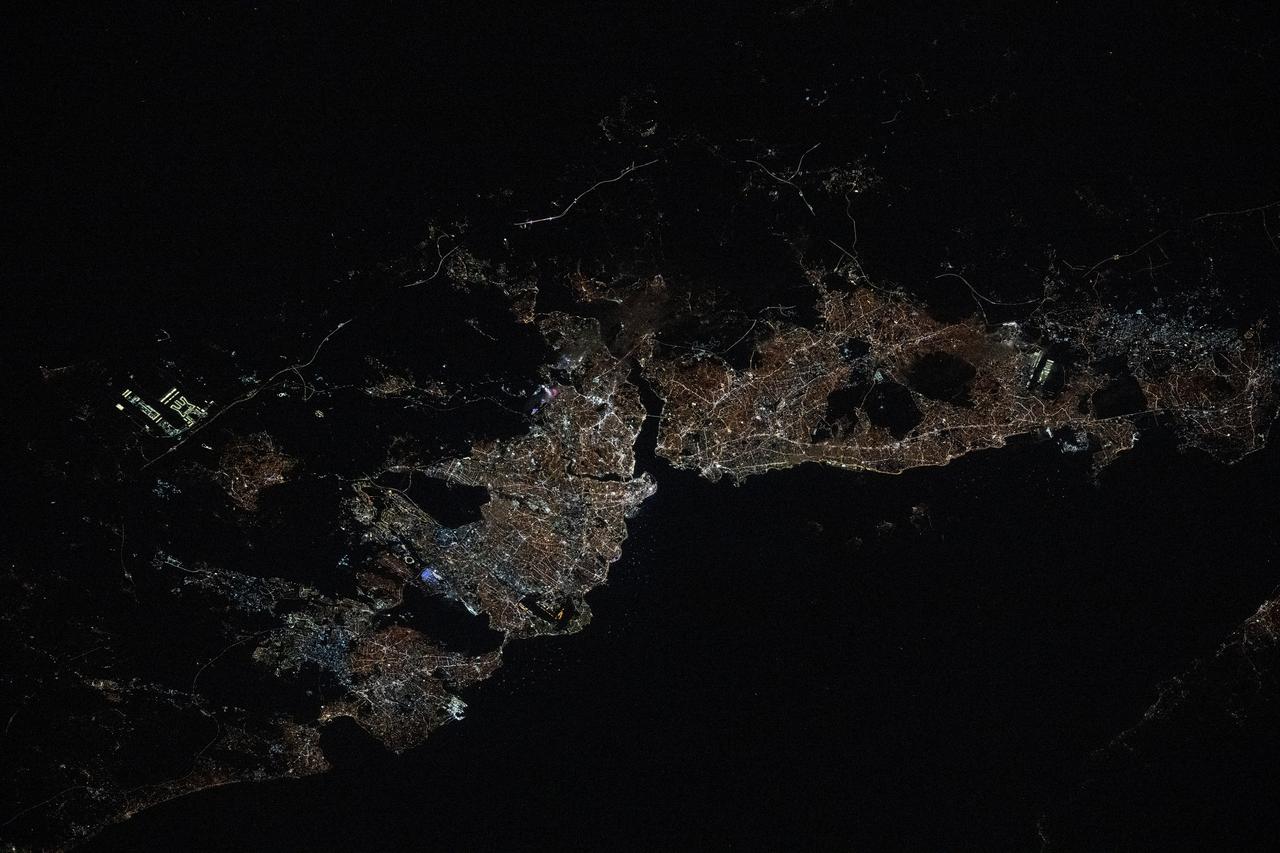
The Bloomberg report, published Saturday, stated that Turkey had taken steps to limit the transit of merchant vessels through the strait, a claim the Turkish source flatly denied. The correction matters beyond semantics: the Bosphorus is one of the most strategically sensitive waterways in the world, and any restriction on merchant traffic there would send immediate shockwaves through global commodity markets, particularly for grain and oil shipments that depend on Black Sea access.
What Ankara has done, the source said, is something materially different — propose a mechanism designed to prevent strikes on merchant ships operating in the Black Sea. That proposal was put forward on Saturday and is currently under discussion. Its parameters have not yet been determined, and no agreement has been reached between the parties.
The distinction between imposing restrictions and proposing a protection mechanism reflects the careful line Turkey has walked throughout the Russian military operation in Ukraine. Ankara has used its control over the Bosphorus and Dardanelles under the 1936 Montreux Convention — which grants Turkey the authority to close the straits to warships in wartime — while maintaining commercial shipping flows that both Russia and Ukraine depend on.
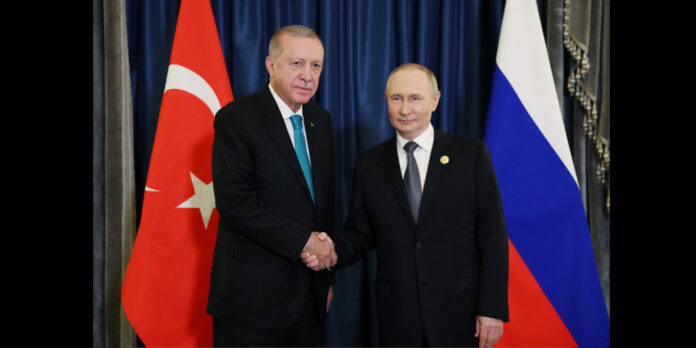
Turkey’s positioning as a neutral coordinator between the two warring parties has been a consistent feature of Ankara’s diplomatic posture since the operation began. Earlier this year, Russia’s Deputy Foreign Minister Alexander Grushko named Turkey as Moscow’s primary diplomatic contact channel across the full range of issues connected to the operation in Ukraine, with President Vladimir Putin and Turkish leader Recep Tayyip Erdoğan having maintained a cadence of roughly one phone call every six to seven weeks.
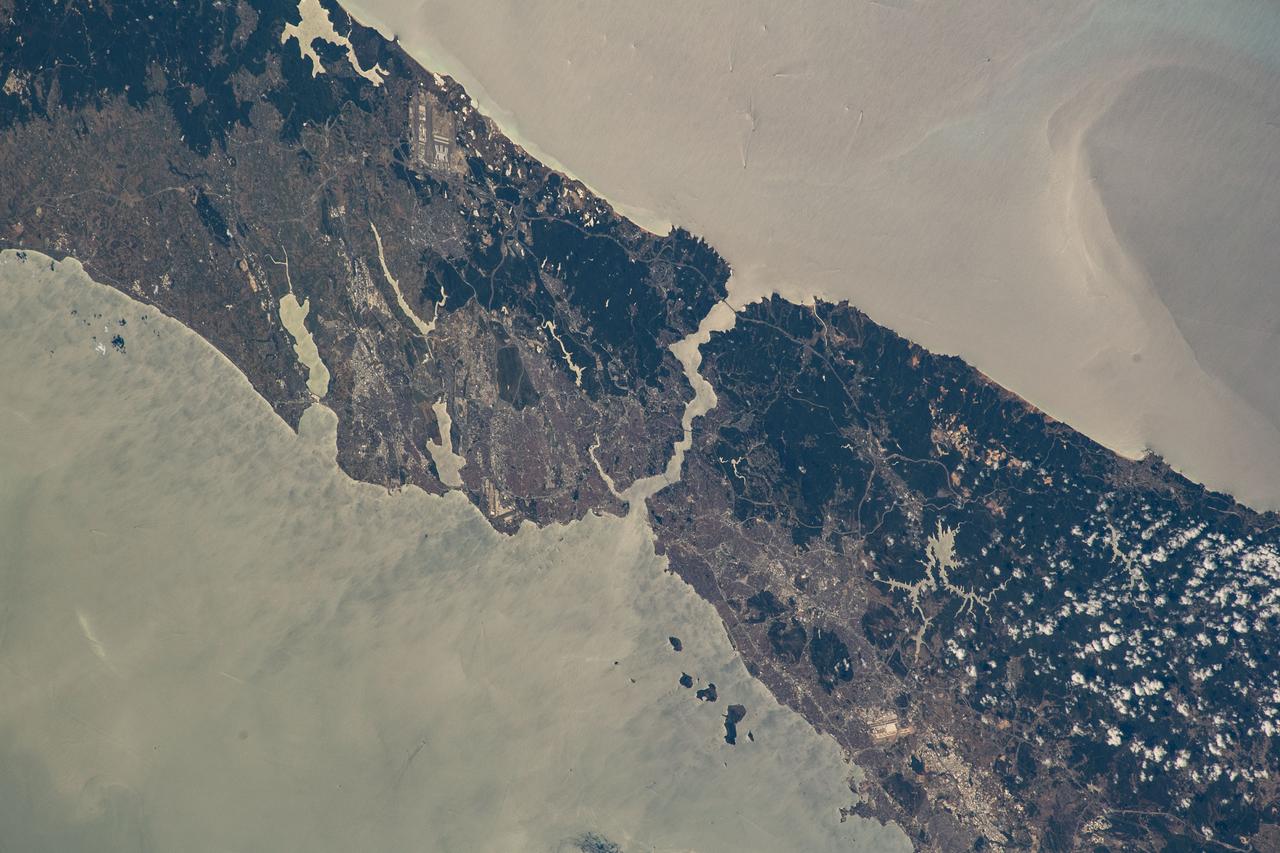
The Black Sea has been a flashpoint for the wider conflict since Ukrainian drone strikes on Russian commercial and naval vessels dramatically raised the risk profile for merchant shipping. The drone strike on the MV Zirkon in the Sea of Azov in June, which killed five Azerbaijani sailors, underscored that the danger was not confined to military targets. Neutral-flagged commercial ships have been caught in the crossfire, and insurance premiums for Black Sea routes have surged accordingly.
Ankara’s proposed mechanism, if it moves forward, would represent an attempt to carve out a protected corridor or establish rules of engagement that reduce the risk to civilian vessels. The fact that parameters remain undetermined signals that this is a nascent proposal rather than an implemented policy — and Bloomberg’s framing of it as a Turkish restriction on transit appears to have conflated the proposal with its imagined consequence.
The credibility of the Bloomberg report’s central claim has been directly challenged by Ankara. According to the Turkish source’s statement to RIA Novosti, which carried the denial, Turkey is coordinating with both Russia and Ukraine on the maritime security arrangement — a formulation that itself underscores Ankara’s dual-interlocutor status rather than any unilateral restriction imposed on shipping.
The broader context is one of sustained Turkish diplomatic activity at a moment when most other potential mediators have either exhausted their leverage or picked explicit sides. Russia has repeatedly identified Turkey as its principal diplomatic bridge to the Ukrainian side, while Kyiv has tolerated Ankara’s relationship with Moscow as a practical asset rather than a political liability.
Ukraine’s own vulnerability to disruptions in Black Sea commerce — Kyiv depends on the corridor for agricultural exports that form a critical pillar of its wartime economy — gives it structural incentives to support a mechanism that protects merchant vessels rather than opposing one. The question is whether Russia shares that interest sufficiently to let the proposal progress beyond its current undefined state.
The Ukrainian strikes on Black Sea energy terminals in June demonstrated that Kyiv is not operating under any self-imposed constraint on maritime infrastructure targeting. Turkey’s proposed protection mechanism, if it comes to anything, would need to address that reality — not just the risk to merchant ships from Russian strikes, but from Ukrainian ones as well.
What the Turkish source’s denial does not clarify is whether the proposed protection mechanism will acquire the formal parameters necessary to function as anything more than a diplomatic gesture. That question remains open — and in it lies the real story that Bloomberg’s framing may have obscured.