Austrian winter luxury doesn’t announce itself with flashing neon or designer name-dropping. It appears quietly in details that most people miss: the way morning light hits snowy peaks, how fireplaces smell differently at altitude, and that specific silence that only occurs in mountains after fresh snowfall.
The Tyrol region gets winter right in ways other Alpine destinations keep trying to copy. Swiss resorts chase billionaires and lose their souls. French stations pack in skiers like sardines. Austrian properties, particularly smaller family-run spots that have figured out luxury over decades, maintain this balance between sophisticated comfort and genuine mountain character.
Spa culture in Austrian winter hotels operates on different principles than tropical wellness resorts. Nobody’s pretending massage under Alpine frost feels the same as treatments on Caribbean beaches. The whole experience leans into cold-weather advantages: thermal pools become more appealing when outdoor air bites, saunas feel more restorative after skiing, warm stone loungers make actual sense when you’ve spent hours in snow.
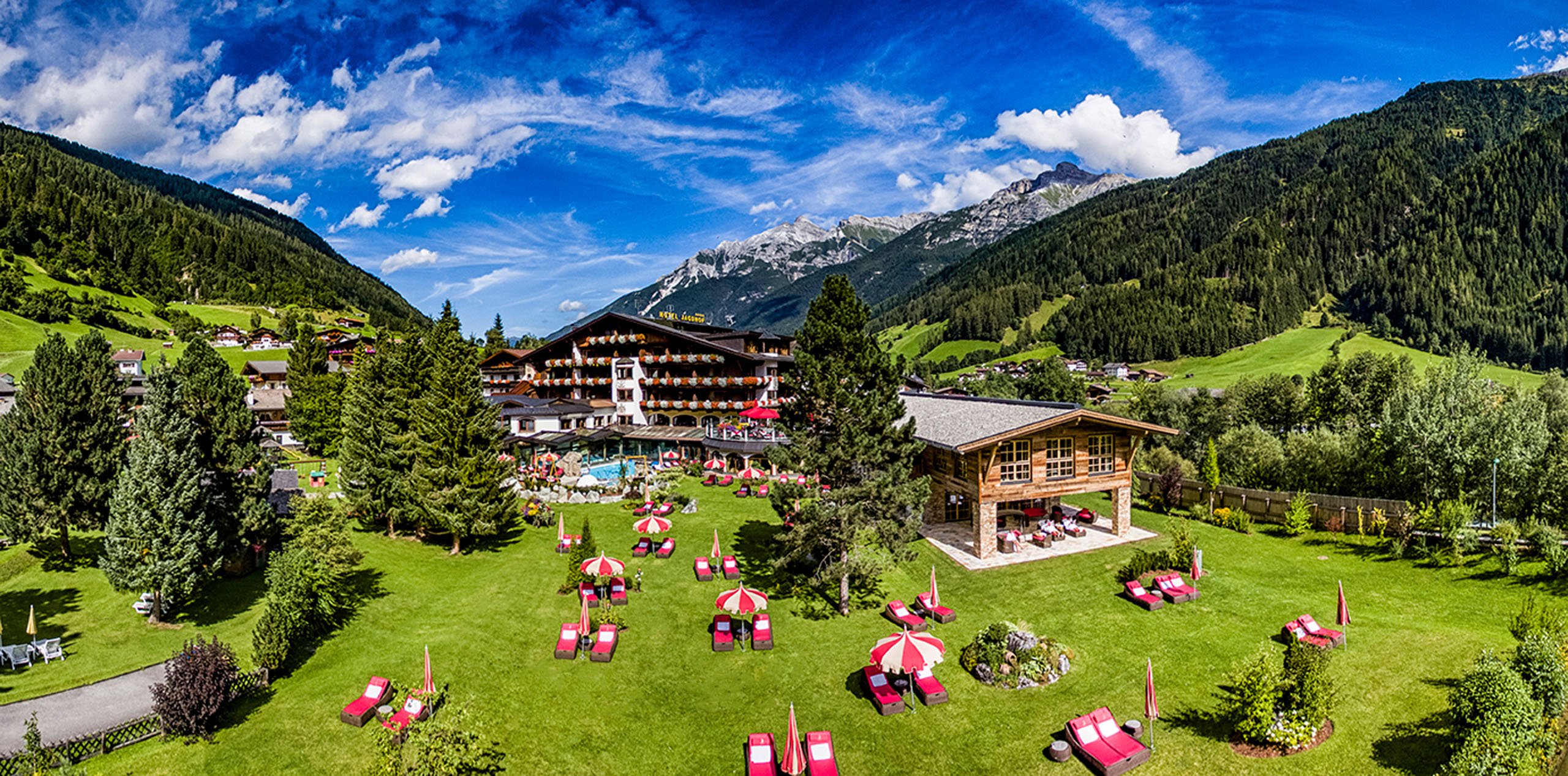
One of the best spa hotels in Austria demonstrates this approach perfectly. The property holds five-star status and Relais & Châteaux membership, sure, but those credentials matter less than how the place actually operates. Their 3,000 square meter spa doesn’t try competing with urban wellness centres – it works with the mountain location, incorporating local materials and regional wellness traditions that connect to Tyrolean culture.
The spa setup there includes twenty different sauna and bathing experiences, which sounds excessive until you realise variety matters when guests stay multiple days. Private spa suites and chalets let couples or small groups create their own wellness bubbles away from other guests. Treatments focus on skin health and holistic wellness rather than trendy procedures that’ll be forgotten next season.
Dining at serious Austrian spa hotels is elevated way beyond standard resort food. The Jagdhof’s Hubertusstube holds a Michelin star, and their kitchen demonstrates how luxury food can root itself in regional traditions while maintaining sophisticated technique. Winter menus feature game from Tyrolean forests, dairy from Alpine farms, and ingredients that actually grow or live in the surrounding landscape.
Activities around Austrian spa hotels scale for different energy levels and interests. The Stubaital valley offers skiing ranging from beginner to expert terrain, hiking trails that remain accessible throughout the winter, and fitness programs guided by professional instructors rather than enthusiastic amateurs. Guests can push hard or take it easy depending on what their bodies need.
Room design at Austrian luxury properties tends toward natural materials rather than flashy modern statements. Wood panelling that doesn’t feel dated, stone features that connect to local geology, textiles from regional craftspeople. Everything aims for lasting comfort over Instagram moments.
The Austrian approach to winter luxury emphasises substance over flash. Properties invest in quality that lasts: proper thermal facilities, kitchens that can execute complex menus consistently, and staff trained well enough to anticipate guest needs without hovering annoyingly.
Real luxury in the Austrian winter isn’t about what hotels add; it’s about what they don’t screw up. Clean mountain air, stunning views, genuine thermal waters, excellent food, and comfortable beds. Get those fundamentals right, skip the unnecessary complications, and the winter holidays become actually restorative instead of just expensive.