
Disputes between Android and iOS supporters have been going on for years. For certain iPhones, it’s the norm of stability and convenience. Some are the Android platform with greater technological potential and freedom. Again, as with most things, the realities lie somewhere in the middle.
According to global statistics, Android is the number one user. However, this does not mean automatic superiority on all parameters. The system’s popularity is largely due to its availability, scalability and presence in a wide variety of price segments.
Why Android Has More Users
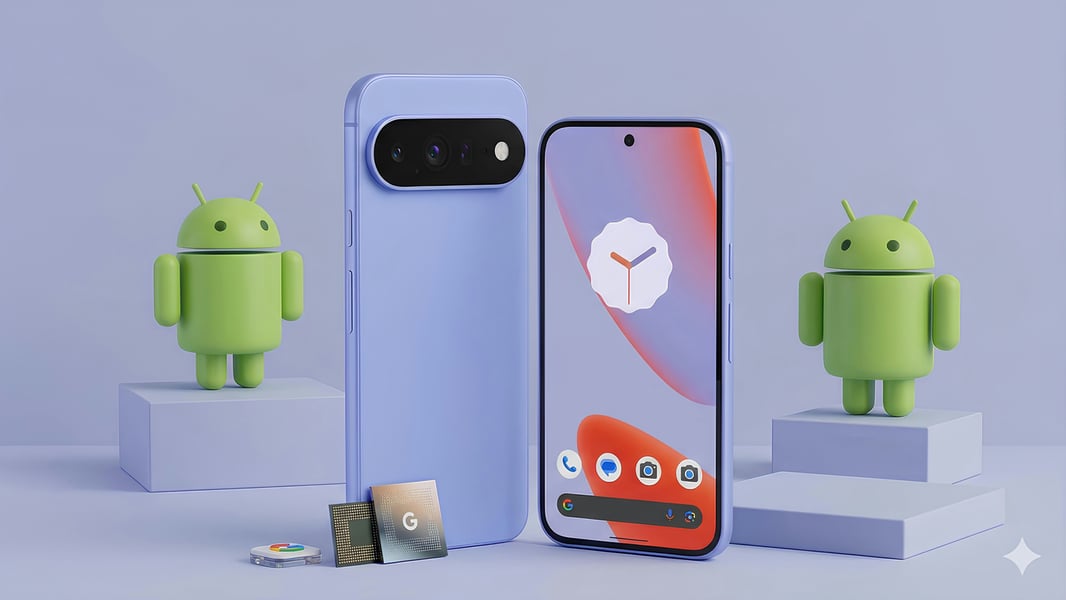
The main reason for Android’s leadership is the open distribution model. Unlike iOS, which is available only on Apple devices, Android is used by dozens of manufacturers worldwide. This gives users significantly more choices. The market features both budget models and premium devices with top characteristics.
Another equally important factor is the diversity of software. The user can easily install VPN for Android, various photo and video editors, games, puzzles using official Google Play and unofficial sources via APK. For iOS, the choice of software is much more limited.
Several factors influence Android’s global popularity:
- wide price range;
- large number of manufacturers;
- high availability in developing countries;
- diversity of technical solutions;
- the ability to choose a device for any task.
It is this versatility that allows Android to remain a global market leader.
How Region Affects on Mobile OS Prevalence
Though Android is the world dominating operating system, it is a completely different story in different countries.
Android is strong in Asia, Eastern Europe, Latin America and most emerging markets. Here, the price-performance ratio of the device is more likely to be what users think about.
In the US, Canada, and a number of Western European countries, Apple’s position is markedly stronger. The brand’s ecosystem, high user loyalty and purchasing power all play a major role.
Therefore, comparing platforms without regional context is not entirely correct.
Android Flexibility as a Key Advantage
One of the biggest strengths of Android remains a high level of personalization. You get much more control over your device. You can change the interface, install third-party loggers, select default applications and work deeper with the file system. For many, this is critical.
Android allows users to perform many actions and offers a number of additional features:
- flexible system customization;
- use third-party app stores;
- automate actions through dedicated services;
- get deeper control over notifications and permissions;
- adapt the device to your specific workflow.
iOS has also become more flexible in recent years, but is still lagging in terms of its level of customization.
Device Diversity
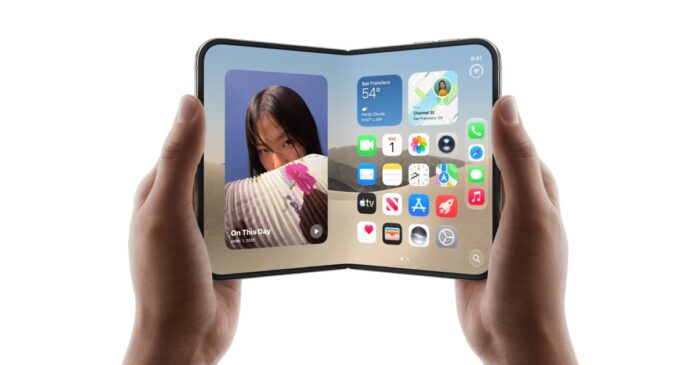
Android wins where the choice matters. A user can choose a device for almost any budget and use case. There are compact smartphones, gaming solutions, cameras, protected models, foldable devices and machines with experimental functions.
Apple offers a more limited range. This makes the choice easier, but also reduces variability. It is thanks to competition among manufacturers that Android adapts new ideas and technical solutions more quickly.
Rapid Introduction of New Technologies
The Android ecosystem has traditionally been faster to innovate. Manufacturers are constantly competing with each other, so they strive to be the first to introduce new features. This applies to cameras, displays, charging and integration of AI tools. Many technologies are first appearing on Android smartphones, and later will reach Apple devices.
Apple usually acts more cautiously. The company implements solutions later, but does so after a lot of refinement and optimization. This approach provides stability but reduces the speed of technological experiments.
Integration with Google Services
For millions of Android users, the deep integration with Google’s services is more convenient.
Mail, maps, cloud documents, photo archives and calendars are built into the system at almost a basic level. This is particularly convenient for those who work in a digital environment and are active in cross-platform services.
On iOS, these tools are also available, but interaction with them is not always so organic.
Where iOS is Stronger than Android
With all the benefits of Android, it would be wrong to ignore Apple’s strengths. iOS has several distinct advantages that make it particularly appealing to a particular audience.
The key advantages of iOS over Android are shown in the following aspects.
- Long-term device support. Apple has, in the past, updated its smartphones over the years. Older versions are also getting new versions of the system and security patches.
- High optimization. This is because Apple’s software is integrated with the hardware, ensuring smooth functioning as much as possible. This has a beneficial impact on the flow of the interface as well as the overall performance.
- Reliable running of applications. There are a few Apple products that are more controllable, so that the software will do exactly what it is supposed to do and will be updated faster.
- A single ecosystem. The devices are very integrated, like an iPhone, Mac, iPad, Apple Watch and more. Share files easily and sync data and work seamlessly from device to device with little set up.
- User experience simplicity. Intuition is the basis of iOS. Most of the features are designed to be used easily without requiring a lot of setup and technical knowledge.
Since Apple controls hardware and software, it’s possible to achieve extremely high system consistency. That’s the reason why iOS remains an excellent choice for anyone who values predictability, stability, and less technical.
Final Thoughts
Android has the greatest user base in the world and there’s a reason for that: flexibility, variety of devices, being cheap and getting adopted quickly.
Android vs. iOS is not a set of apples-to-apples features, however. It all depends on what is important to the particular user.
Android appears to have more to offer if freedom of configuration and wide choice are the main concern. If the stability and the common ecosystem is more significant, then iOS is a serious competitor.